
Sweet hot Haitian cornmeal-and-milk drink — fine cornmeal first slaked in cold water, then whisked into spiced simmering water and cooked to a smooth, thick gruel, strained, then sweetened and enriched with evaporated milk, cinnamon, star anise, vanilla, lime zest, and a pinch of salt. Thick enough to almost spoon, with the consistency of a milkshake. Served hot in bowls or mugs for a Haitian breakfast — classically a lazy Sunday morning with bread rolls — and also drunk cold. Its warm spice profile is unmistakably Caribbean; loosely comparable to South-American champurrado but a tradition of its own.


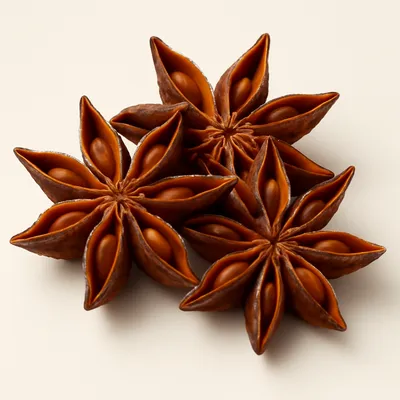

Akasan (also spelled acassan; popularly nicknamed "AK-100" — san means "one hundred" in Haitian Creole, echoing the dish name) is the Haitian sweet hot cornmeal beverage, rooted in the corn-porridge traditions brought to the Caribbean by enslaved West Africans. It is a clear cousin of Ghanaian akasa (also called koko), a fermented corn pudding traced to the Ga and Dangme peoples of southeastern Ghana — though the Haitian version is typically unfermented, distinctly sweet and spiced, and enriched with colonial-imported evaporated milk. Made at home and sold in the streets: in Port-au-Prince, women walk the markets with a pot of hot akasan balanced on their heads. The drink is energy-dense and meant to sustain through morning work, and is a classic lazy-Sunday-morning breakfast served lukewarm (though many prefer it cold).
Sip from the bowl — the akasan is warm, thick-creamy, almost the body of a milkshake. The cornmeal gives a subtle gritty-comforting texture; cinnamon and star anise provide warm spice top-notes; evaporated milk adds dairy-sweet body; vanilla rounds it all, with lime zest lifting the finish. Each sip is energy-dense and breakfast-substantial — a single bowl fills you for hours. With a fresh bread roll for dunking, you have the Haitian lazy-Sunday-morning ritual.
Fine cornmeal's starch granules gelatinize between 65-75°C, swelling and absorbing water + flavor compounds from the spice infusion. Slaking the cornmeal in cold water first, then streaming the slurry into simmering spiced water, prevents lumps; lumps form when dry flour hits hot water directly and the outer layer gelatinizes into a skin before the inside hydrates. Constant whisking shears the swelling granules, releasing amylose for creaminess. Adding evaporated milk after the corn has gelatinized and off strong heat prevents milk-protein coagulation (milk shouldn't boil, especially with mildly acidic corn gruel). Sugar dissolves cleanly in warm cornmeal; cinnamon's cinnamaldehyde and star anise's anethole contribute aromatic warmth.
Variations
Akasan with rum adds a measure of dark rum at the end — an adult evening version. Plain savory akasan omits sugar and vanilla; eaten more like porridge. Diaspora akasan uses cornstarch blended with corn flour to mimic the homeland texture. Cold akasan refrigerates overnight; thickens to a pudding-like dessert.
On the Palate
Where Akasan sits in the Haitian flavor cloud
Ingredients
Serves 4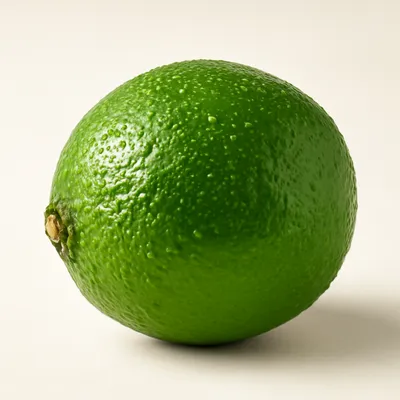


How it's made
10 steps · 25 min active + 5 min waiting
- 13 min
Mix slurry: in a bowl, whisk 100 g fine cornmeal (yellow or white) with 200 ml cold water to form a smooth slurry (no lumps).
Watch outWhisk the cornmeal into cold water until dead smooth before it ever meets heat — this slurry is what stops lumps; dry meal hitting hot water skins over instantly.
- 26 min
In a saucepan, bring 600 ml water + 2 cinnamon sticks + 2 star anise pods + ½ tsp grated nutmeg + 1 strip lime peel to a gentle boil.
- 32 min
Slowly whisk the cornmeal slurry into the simmering spiced water. Reduce heat to medium-low.
Watch outStream the slurry into the simmering spiced water slowly while whisking — pour it in a rush and it clumps before you can break it up.
- 411 min
Whisk constantly for 10 minutes — the mixture will thicken to a pourable porridge consistency. If too thick, add a splash of hot water; if too thin, sprinkle in another tablespoon of cornmeal.
Watch outWhisk constantly for the full ten minutes until it thickens to a pourable porridge that coats the whisk — stop stirring and it catches on the bottom and lumps.
- 53 min
Strain the mixture through a fine-mesh sieve into a clean pot to remove the whole spices.
- 62 min
Return to low heat. Add 400 ml evaporated milk + 100 g sugar (or to taste, traditionally Haitians like it quite sweet) + 1 tsp vanilla extract + pinch of salt.
- 73 min
Whisk to incorporate and warm through, 3 minutes. Do NOT boil after adding the milk — the milk could split.
Watch outAfter the milk goes in, only warm it through — never let it boil, or the milk will curdle into grains against the acidity.
- 81 min
Taste; adjust sugar. The akasan should be thick-pourable, like thin oatmeal or thin custard sauce — easy to drink from a mug.
- 91 min
Optional finishing: a splash of dark rum (1 tsp per cup) for adult versions, or a small extra grating of nutmeg.
- 101 min
Pour into mugs. Serve hot, with bread or konparèt on the side.


