
Haitian jute-leaves stew with beef, smoked pork, crab (when available), and seasoning — the slippery-thickened green stew most associated with Haiti's Artibonite valley. Jute leaves (lalo) release a mucilaginous texture similar to okra, thickening the broth naturally. Eaten over white rice in this rice-farming heartland, it is one of the country's most beloved regional dishes.



Lalo is the signature dish of Haiti's Artibonite valley, the central rice-farming region where the jute plant (Corchorus olitorius) grows abundantly — though Haitians across the country cook it too. The dish has West-African roots: the same plant is cooked as 'ewedu' in Yoruba cuisine and as a closely related jute-leaf soup in Egypt, making lalo one of the clearest West-African survivals on the Haitian table. Haitians have transformed it with epis (Haitian seasoning blend), salted pork, smoked herring, and crab meat. The mucilaginous quality is the dish's signature; cooks add lemon or lime juice to control the slipperiness.
Spoon up lalo over rice — the sauce is glossy, dark-green, and noticeably slippery (similar to a thinner okra-based gumbo). The mucilage clings to the rice grains. Beef chunks are tender; smoked pork adds wood-smoke depth; crab claws (if added) give sweet brininess. Each bite combines starch, slippery-green sauce, and tender protein. Lime adds brightness that cuts the richness. The texture is distinctly Haitian — a creole reworking of a West-African leafy stew.
Jute leaves contain mucilaginous polysaccharides (similar to okra's slime) that release when cell walls break during cooking. The released mucilage thickens the broth via hydrogen-bonding — a different mechanism from starch (gelatinization) or flour (gluten). Acid (lime juice) reduces the perceived slipperiness by partially denaturing the mucilage. Smoked pork and crab combine to give double umami: wood-smoke phenols + crustacean glutamates. Slow simmering 35 min before adding leaves ensures the beef collagen is converted to gelatin, providing body.
Variations
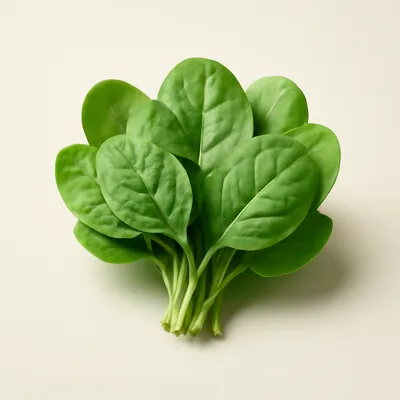
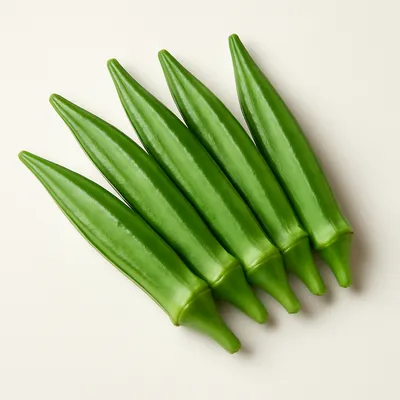
Crab-only lalo (lalo ak krab) replaces beef with whole crabs — a coastal luxury version. Vegetarian lalo omits all meats; uses mushrooms and smoked paprika for depth. Spinach-okra lalo substitutes 50:50 spinach and okra when jute leaves are unavailable — a close approximation. Lalo with shrimp (lalo ak chevrette) is a southern-Haiti coastal special. Diaspora lalo uses frozen Egyptian jute leaves (molokhia) — works well, and is available in Middle Eastern groceries.
On the Palate
Where Lalo sits in the Haitian flavor cloud
Ingredients
Serves 6





How it's made
11 steps · 40 min active + 1 hour 20 min waiting
- 19 min
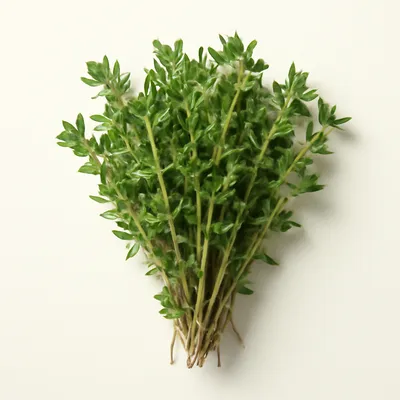
Make epis (Haitian seasoning): in a food processor, blitz 1 bunch parsley + 6 garlic cloves + 1 small onion + 2 scallions + 1 scotch bonnet (deseeded) + 1 small bell pepper + 4 sprigs thyme + ½ tsp salt + 3 tbsp oil. Set aside.
- 29 min
Prep lalo: rinse 400 g fresh jute leaves (or substitute frozen molokhia / Egyptian jute, or use combo of chopped spinach + okra). Strip leaves from stems; chop coarsely. (If using molokhia, defrost.)
- 311 min
Brown beef: cut 400 g stewing beef into 2-cm cubes. In a heavy pot, heat 3 tbsp vegetable oil. Brown the beef 8 min over high heat.
- 45 min
Add 3 tbsp epis + 1 chopped onion + 4 minced garlic cloves; cook 4 min until aromatic.
- 52 min
Add 200 g cubed smoked pork (or 200 g smoked turkey wings, broken up). Stir.
- 636 min
Add 1.2 L water + 1 tsp salt + 1 tsp bouillon powder + 1 bay leaf. Bring to a simmer; cover; cook 35 min until beef is tender.
Watch outLet the beef simmer the full 35 min before the leaves go in — you're waiting for it to turn fork-tender so the broth has body underneath the greens.
- 78 min
Add jute leaves; stir to incorporate. The leaves will collapse and release their mucilage — the broth will visibly thicken into a glossy-green sauce.
Watch outWatch the leaves collapse and the broth turn glossy dark-green and noticeably thicker — that slippery sheen is the jute doing its job, no flour needed.
- 816 min
Simmer uncovered 15 min more.
- 96 min
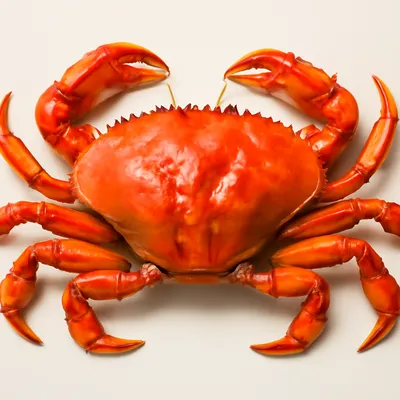
Optional: stir in 200 g crab meat (or 4 stone-crab claws) for the last 5 min — coastal-Haitian luxury version.
- 102 min
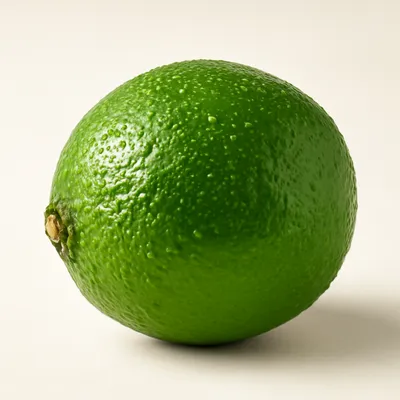
Add juice of ½ lime; taste and adjust salt. The sauce should be thick-slippery and dark-green.
Watch outStir the lime in at the end and taste — it cuts the slipperiness and lifts the smoke; the sauce should coat the spoon, thick and dark.
- 114 min
Serve hot over white rice. Haitian style: ladle generously, so each rice spoonful catches lalo sauce.


