
Haiti's national dish of rice and beans cooked together in one pot — red kidney beans (most common, though pinto or black beans are also used) simmered first, then rice added to the bean liquid with epis, garlic, thyme, clove, and a whole unpierced scotch bonnet. The bean liquor tints the rice a soft mauve-pink and seasons every grain. Savory and comforting, it's the daily base of the Haitian table, eaten with virtually any stewed or fried meat, sauce, or vegetable.





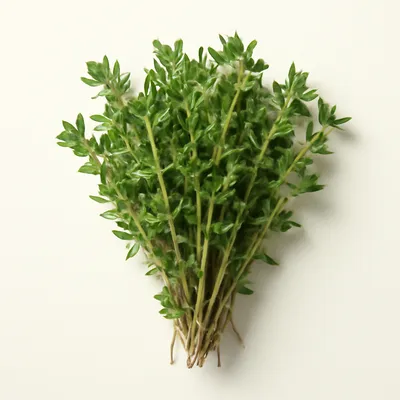
Rice and beans cooked together is a pan-Caribbean tradition, given a distinctly Haitian voice through epis — the herb-and-spice base (its name from the French épices) born when French colonial technique met West African and local ingredients, carrying garlic, thyme, clove, parsley, scallion and pepper. This dish is that seasoning system at its plainest: the everyday version is built on bean broth, epis and fat, the weekday meal of most Haitian households, while a richer coconut-milk version appears for celebrations.
Rice is soft but distinct, each grain coated with bean sweetness. The unpierced scotch bonnet has perfumed the whole pot without leaving any heat. Beans break softly under the tongue; clove adds a faint warm spice. When coconut milk is used it reads as background creaminess rather than as coconut. It's the kind of homely plate that disappears fast.
Bean cooking liquid carries gelatinized starch and bean proteins; using it as the rice cooking liquid layers flavor into every grain rather than just dressing the surface. The intact, un-pierced scotch bonnet releases aromatic oils but no capsaicin into the pot — flavor without burn. In the coconut-milk version, the coconut's medium-chain fats give richness without the heaviness of dairy fat, well suited to daily-staple eating.
Variations
The northern Haitian version uses pinto beans and no coconut milk, eaten for its clean savory taste. The black-bean version is more associated with Haitian-American kitchens. Some cooks start the pot by rendering a slice of cured pork for a smoky base.
On the Palate
Where Diri Kole ak Pwa sits in the Haitian flavor cloud
Ingredients
Serves 4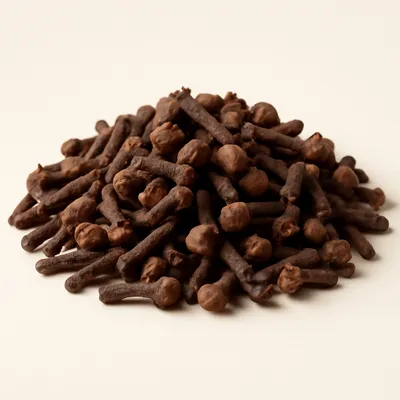



How it's made
7 steps · 25 min active + 35 min waiting
- 110 min
Soak 1 cup dried red kidney beans overnight (or 8 hr). Drain.
- 250 min
In a heavy pot, cover beans with 4 cups water, add 1 bay leaf, 1 sprig thyme, 1 garlic clove. Boil 45 min until tender. Reserve 2 cups bean cooking liquid.
- 35 min
In a clean pot, heat 2 tbsp oil. Sauté 1 chopped onion 4 min, add 4 garlic minced 1 min more.
- 42 min
Add 1.5 cups rinsed long-grain rice. Stir 2 min to coat.
- 53 min
Pour in 2 cups bean liquid + 1 cup coconut milk + 1 cup beans. Add 1 tsp thyme, 4 whole cloves, 1 whole scotch bonnet (un-pierced), salt.
Watch outNestle the scotch bonnet in whole and check it's completely un-nicked — one small tear and the pot turns hot.
- 618 min
Bring to boil, cover, reduce to lowest heat. Cook 18 min.
Watch outBring it to a boil first, then clamp the lid and drop to the very lowest heat so it steams rather than scorches.
- 710 min
Off heat, rest covered 10 min. Fluff with a fork. Remove scotch bonnet and cloves before serving.
Watch outRest it covered off the heat a full 10 minutes before fluffing — the grains firm up and separate cleanly.


