
A baked savory pie of diced chicken and vegetables — onion, carrot, peas, and celery — bound in a thick velouté gravy built on a flour-and-butter roux, then sealed under a flaky pastry crust and baked until the top is golden and the filling bubbles through the vents. The pie may be fully enclosed in pastry or topped only on its surface, baked in a single deep dish or as individual ramekins. It is a fixture of American diners and home kitchens and the archetypal comfort-food casserole.



The savory meat pie crossed to the colonies with British and Dutch settlers, who set stewed meat under a pastry crust in a single pot — the form is recorded in early Anglo-American cookbooks through the 18th and 19th centuries. It should be distinguished from the Pennsylvania Dutch 'bott boi' (anglicized to 'pot pie'), which despite the shared name is not a crusted pie at all but a brothy, soup-like dish of square noodles, chicken, and potatoes simmered in a pot, still made across Lancaster County. The crusted pie became a national icon through industrial freezing: the C. A. Swanson company sold what is widely cited as the first frozen chicken pot pie in 1951 — chicken, gravy, peas, and carrots under a crust in an aluminum tray — predating its famous TV dinner by three years, though a competing claim credits the Morton company a few years earlier.
The fork breaks through a crust that shatters into buttery flakes, releasing a curl of steam, then sinks into a filling thick enough to hold its shape on the spoon. The gravy is velvety and savory, carrying soft sweet carrot and peas, tender shreds of chicken, and the faint celery-and-onion backbone of the aromatics. Eaten too soon it scalds; rested a few minutes the filling sets to a spoonable cream. The contrast of crisp lid against the soft, hot interior is the whole appeal.
The filling is thickened by a roux: flour stirred into melted butter, cooked to drive off the raw taste, then loosened with stock into a velouté. As the liquid heats, the flour's starch granules absorb water and swell — gelatinization, the process that turns thin stock into a clinging gravy that won't weep under the crust. The pastry works on lamination: cold butter trapped in sheets between layers of dough melts in the oven and releases steam that pushes the layers apart into flakes, while the exposed top browns by Maillard reaction. A vented or topped-only crust lets steam escape so the underside stays dry rather than going soggy.
Variations
The crust ranges from a fully enclosed double-crust pie to a single pastry lid, a sheet of puff pastry, or in regional and quick versions a topping of drop biscuits or even cornbread. Turkey pot pie is the classic use for Thanksgiving leftovers; beef-and-vegetable and seafood pot pies follow the same roux-and-crust method. It should not be confused with the Pennsylvania Dutch noodle 'pot pie', nor with the British steak-and-kidney or chicken-and-mushroom pies it descends from, nor with the Australian hand-held meat pie.
On the Palate
Where Chicken Pot Pie sits in the American flavor cloud
Ingredients
Serves 6


How it's made
7 steps · 30 min
- 120 min
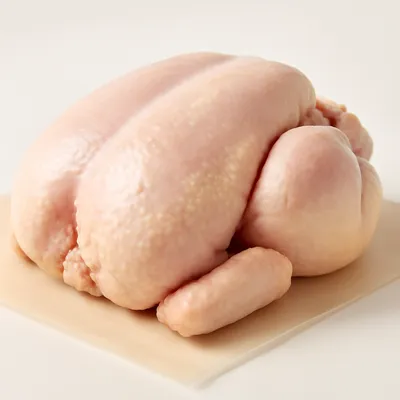
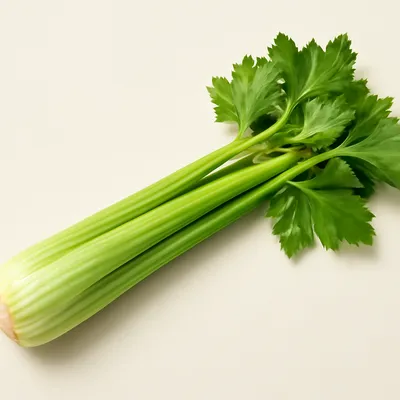
Poach or roast chicken, then dice it; reserve the stock. Dice onion, carrot, and celery.
- 28 min
Sweat the aromatics in butter until soft, then stir in flour and cook the roux for two minutes.
Watch outCook the roux a full two minutes — this drives off the raw flour taste before the stock goes in.
- 310 min
Whisk in the warm stock and a splash of milk or cream, simmering to a thick velouté gravy.
Watch outWhisk in the warm stock and simmer to a thick velouté — the flour's starch has to swell and gelatinize so the gravy clings and won't weep under the crust.
- 45 min
Fold in the chicken and peas, season, and let the filling cool slightly so it sets.
- 56 min
Line a dish with pastry (or skip for a top-only pie), add the filling, and lay the top crust over.
- 64 min
Seal and crimp the edges, cut steam vents, and brush the top with egg wash.
Watch outCut steam vents in the top crust — trapped steam soaks the underside soggy, and vented steam keeps the pastry flaky.
- 740 min
Bake at 200°C until the crust is deep golden and the filling bubbles at the vents, then rest before serving.
Archive tool suggestions — not reviewed
These legacy suggestions have not been evidence-reviewed and are not presented as required tools.


