
Smoothie bowls emerged in Los Angeles around 2010-2012 as a wellness-Instagram phenomenon, growing out of two parents: the Brazilian açaí bowl (popular in Venice since the early 2000s) and the green-juice movement (Pressed Juicery, Moon Juice, Erewhon). Cafés like Backyard Bowls (founded 2007 in Santa Barbara) and Sweetfin standardized the format. The bowl-not-cup framing was driven by two things: thicker texture made it eat-with-a-spoon meal-shaped, and the flat surface gave a canvas for photogenic toppings — which on Instagram drove the format's national, then global, spread by 2015.
Two parents: Brazilian açaí (Venice Beach since the early 2000s) and the green-juice movement (Pressed Juicery, Moon Juice, Erewhon). Backyard Bowls (Santa Barbara, 2007) standardized the spoon-eaten format. Banana is non-negotiable — its pectin and starch are what make it scoopable.
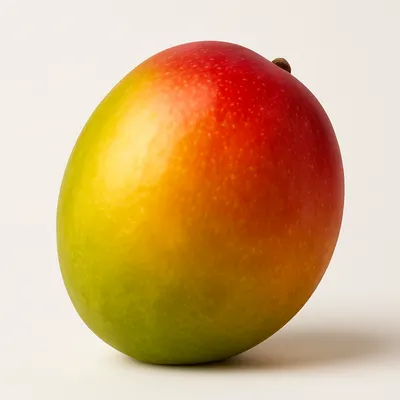
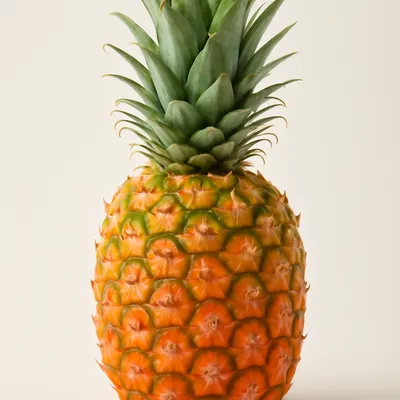
Cooler than yogurt, looser than açaí, somewhere in the middle. Tropical fruit gives the base a yellow-green tint and a mango-pineapple sweetness; the spinach is invisible in flavor (you'd never know if not told). Granola adds crunch and toasted-oat depth; almond butter gives a nutty fat anchor; chia seeds become tiny gel beads after 60 seconds. Eaten in a wellness studio between yoga and a meeting — performative breakfast that, made well, actually tastes like sunshine.
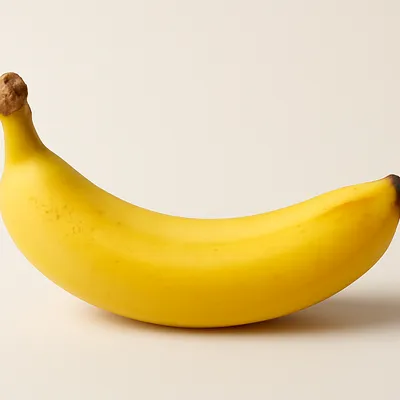
The make-or-break is viscosity. A smoothie bowl needs 1.5x the solids of a drinkable smoothie — that means more frozen fruit, less liquid, and a tamper to push the dense mass into the blades. Banana is non-negotiable: its pectin and starch are what give the bowl its scoopable body. Spinach disappears in flavor because the fruit's fructose and the almond butter's fat both mask chlorophyll's grassy notes — but the green color, micronutrients, and fiber all stay. Toppings go on at the last second because granola softens within 90 seconds of contact with the cold base.
Variations
Açaí bowl (Venice, the parent); Pitaya (dragonfruit) bowl; matcha green smoothie bowl (LA wellness scene); Backyard Bowls original (Santa Barbara, 2007); Erewhon's ~$17 «Hailey Bieber» Strawberry Glaze Skin Smoothie (a drink, not a bowl; viral on TikTok in 2022).
On the Palate
Where Smoothie Bowl sits in the American flavor cloud
Ingredients
Serves 2

How it's made
4 steps · 8 min
- 12 min
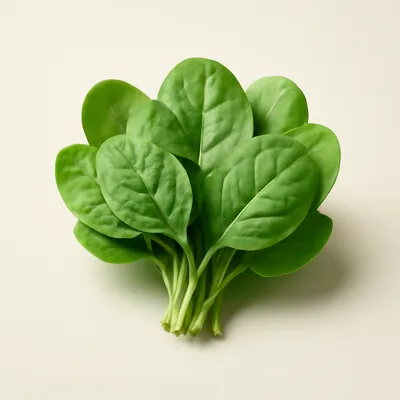
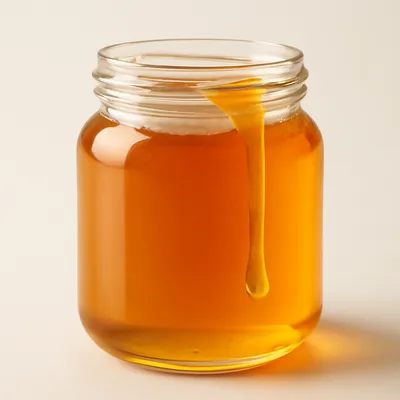
Into a high-powered blender (Vitamix or Blendtec) with a tamper: 1 frozen banana, 150g frozen mango chunks, 100g frozen pineapple, 1 large handful baby spinach, 1 tbsp almond butter, 1 tsp honey, 100ml coconut milk.
Watch outFrozen everything except the spinach. Fresh fruit gives you a runny smoothie that won't hold toppings.
- 21 min
Pulse-blend with the tamper pressing fruit down for 60 seconds. Target: thick enough to mound on a spoon and hold its shape.
Watch outIf you have to add liquid, do it 1 tbsp at a time. More than 30ml extra and you've made a smoothie.
- 31 min
Spoon into 2 chilled wide shallow bowls (ramen-bowl shape works). Smooth the surface with the back of a spoon.
- 44 min
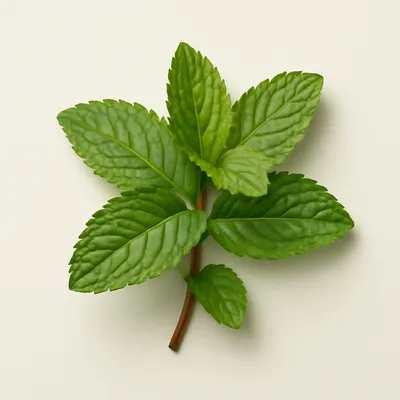
Top each bowl in stripes: 30g granola line, 1 sliced kiwi fan, a row of fresh berries, drizzle 1 tsp almond butter (warm 5 sec to make it pourable), sprinkle 1 tsp chia seeds, 1 tbsp coconut flakes, a few mint leaves. Serve immediately.
Watch outStripes — not piles. The Instagram-era visual of a smoothie bowl is parallel rows of contrasting toppings.
Archive tool suggestions — not reviewed
These legacy suggestions have not been evidence-reviewed and are not presented as required tools.