
A single-layer butter cake baked over a topping of pineapple rings and cherries set in butter and brown sugar, then inverted so the caramelized fruit becomes the glistening top. The sugar and fruit juices cook into a sticky glaze on the bottom of the pan during baking; flipping the cake out reveals an amber, fruit-studded surface that needs no frosting. The contrast of moist, syrup-soaked top and plain golden cake beneath is the whole appeal. It is a classic American retro dessert from the canned-pineapple era.


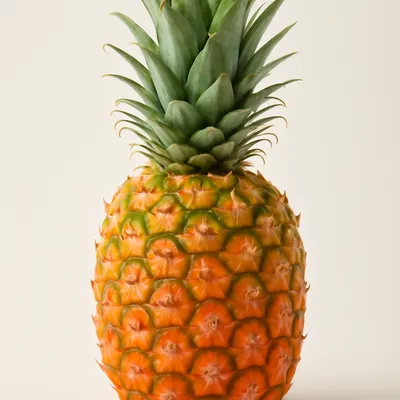


Upside-down cakes baked with fruit and caramel in the pan long predate the pineapple version, but the pineapple form is specifically tied to the early-20th-century canned-pineapple industry. After Jim Dole's Hawaiian Pineapple Company made canned, cored, evenly sliced pineapple rings cheap and widely available, the cake took off; a key moment was a 1925 recipe contest run by the company that drew thousands of pineapple upside-down cake entries and helped fix the dish in American home baking. It is a commercial-and-folk classic rather than a single named chef's invention, and the ring shape is itself a product of the canning machinery.
The top is soft, wet, and sticky with caramel, the pineapple gone tender and slightly chewy at its caramelized edges, tart-sweet against the dark sugar; the cherries are jammy points of colour. Beneath, the cake is a plain, buttery, fine-crumbed sponge that has soaked up syrup where it meets the fruit, so the line between cake and topping blurs into something moist and pudding-like. The dark sugar gives a faint toffee bitterness that keeps the sweetness in check. Best served warm.
The topping is a quick caramel set: butter and brown sugar melt in the bottom of the pan and, as the cake bakes, combine with the pineapple's juices and concentrate into a sticky, amber glaze through caramelization of the sugars. Arranging the fruit before the batter means it sits on top once inverted. The cake itself is a creamed butter cake leavened with baking powder; its open crumb soaks up the fruit syrup from below. Flipping must be done while the cake is still warm — if it cools, the caramel stiffens and grips the pan, and the fruit tears off. A brief rest before inverting lets the cake firm just enough to release cleanly.
Variations
Canned pineapple rings with a maraschino cherry in each center is the iconic look; fresh pineapple, pineapple chunks, or a mix of fruits also work. Other fruits make related cakes — apple, pear, peach, plum, cranberry, or the French tarte Tatin, which applies the same upside-down caramelized principle to a pastry tart of apples. Some recipes add rum or a pinch of spice to the topping, or use a cornmeal or coconut cake base. A cast-iron skillet is a traditional pan for it.
On the Palate
Where Pineapple Upside-Down Cake sits in the American flavor cloud
Ingredients
Serves 10

How it's made
8 steps · 30 min active + 45 min waiting
- 18 min
Heat the oven to 175°C. Melt butter in a cake pan or cast-iron skillet and stir in the brown sugar to coat the bottom.
Watch outMelt the butter and brown sugar together until it coats the pan bottom evenly — this is the caramel layer that becomes the glossy top.
- 26 min
Arrange pineapple rings over the sugar and place a cherry in the center of each.
- 36 min
Beat butter and sugar until light, then beat in the eggs and vanilla.
- 46 min
Add the flour, baking powder, and salt alternately with the milk, mixing just until smooth.
Watch outMix the batter just until smooth — overbeating toughens the crumb, and you want it open enough to soak up the fruit syrup.
- 54 min
Spoon the batter carefully over the fruit and spread it level without disturbing the rings.
- 640 min
Bake 35–45 minutes, until golden and a skewer in the center comes out clean.
- 78 min
Let the cake rest 5–10 minutes, no longer, so the caramel stays fluid.
- 85 min
Run a knife around the edge, set a plate over the pan, and invert; lift the pan away and replace any fruit that sticks.
Watch outInvert while still warm, after only 5-10 minutes — let it cool and the caramel stiffens, grips the pan, and tears the fruit off.
Archive tool suggestions — not reviewed
These legacy suggestions have not been evidence-reviewed and are not presented as required tools.


