Philadelphia's Italian-American cold-cut submarine, built on a long crusty roll split lengthwise. The classic fillings are layered Italian deli meats — capicola, Genoa salami, mortadella, often prosciutto — with sheets of sharp provolone, then shredded iceberg lettuce, sliced tomato, raw onion, and sometimes hot or sweet peppers. It is dressed not with mayonnaise but with olive oil, a little red-wine vinegar, dried oregano, salt, and pepper. The whole thing is assembled cold and eaten cold, never griddled — which is what separates a hoagie from its hot cousin, the cheesesteak.



An Italian-American creation of Philadelphia's early-20th-century immigrant neighborhoods, where corner delis sold long rolls packed with the cured meats and provolone of the Italian table. The name's most-cited origin traces to Hog Island, the WWI-era Delaware River shipyard where Italian workers reportedly carried these big sandwiches for lunch — supposedly 'Hog Island' to 'hoggie' to 'hoagie' — but linguists treat this as unproven: spellings like hoogie, hogie, and hoggie appear in Philadelphia phone directories from 1941 onward, and a rival account credits 1920s sandwich-shop owner Al DePalma, so the true etymology is disputed. What is documented is that Philadelphia named the hoagie its official city sandwich in 1992. Other regions adopted the same Italian sub under their own names — hero in New York, grinder in New England.
A crackling roll that shatters lightly at the crust and stays pillowy inside, holding a cool, layered stack of meats and cheese. The capicola brings a peppery, lightly spiced edge, the salami a fermented tang, the mortadella a soft fatty richness; provolone adds a sharp, slightly bitter pull. Shredded lettuce and onion give crunch, tomato adds juice, and the oil-and-vinegar dressing soaks just into the bread's open crumb — every bite is cold, salty, herbal, and faintly acidic. A well-built hoagie is balanced, never dry: you taste the dressing before the bread turns soggy.
The dish leans on curing, not cooking. Dry-cured meats like capicola, salami, and prosciutto are salted and aged so that salt draws out moisture and concentrates flavor while their fat stays soft and sliceable — which is why they read as rich and savory eaten raw and cold. Slicing them paper-thin maximizes surface area so the salt and fat hit the palate immediately. The olive-oil-and-vinegar dressing is a loose emulsion: oil coats and carries the fat-soluble oregano aroma while the vinegar's acidity cuts the richness and seasons the lettuce. Adding the dressing and tomato just before eating keeps the open-crumb roll from going soggy — the crust shields the crumb until the first bite.
Variations
The same sandwich changes name by region: hero in New York, grinder in New England, Italian sub or torpedo elsewhere, and zep in nearby Norristown, Pennsylvania. Within Philadelphia, the order shorthand is 'hot peppers' (cherry or long hots) versus 'sweet peppers,' and 'wit' or 'witout' onions. An American (or 'regular') hoagie swaps in ham and cooked salami, while the Italian hoagie keeps the cured-meat lineup. The roll is debated — seeded versus plain — and the dressing ratio (oil-only versus oil-and-vinegar) is a house signature. The key distinction: a hoagie is cold; the griddled hot-meat sandwich on the same roll is the cheesesteak, a separate Philadelphia dish.
On the Palate
Where Italian Hoagie sits in the American flavor cloud
Ingredients
Serves 2

How it's made
5 steps · 15 min
- 12 min
Split a long Italian roll lengthwise without cutting all the way through, opening it like a book.
- 25 min
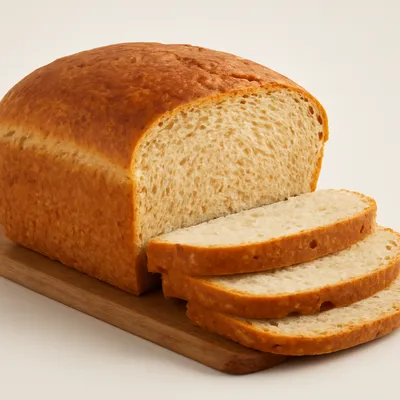
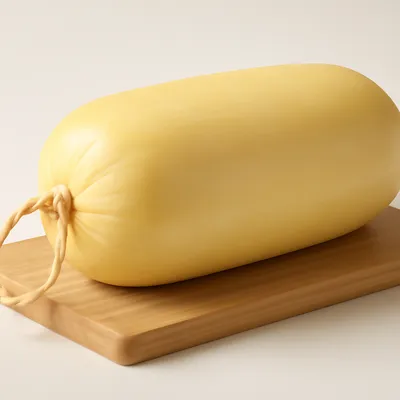
Layer the sliced provolone along the bottom face of the roll, then shingle the capicola, Genoa salami, mortadella, and prosciutto over it.
Watch outSlice the cured meats paper-thin and shingle them in loose folds — thin slices put more surface on the palate so the salt and fat land right away, and folding keeps them from packing into a solid slab.
- 33 min
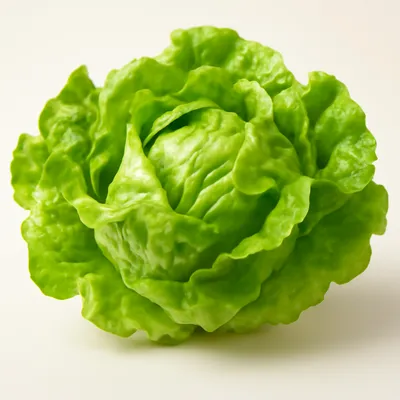
Top the meats with shredded iceberg lettuce, sliced tomato, and thin raw onion (add hot or sweet peppers if desired).
- 43 min
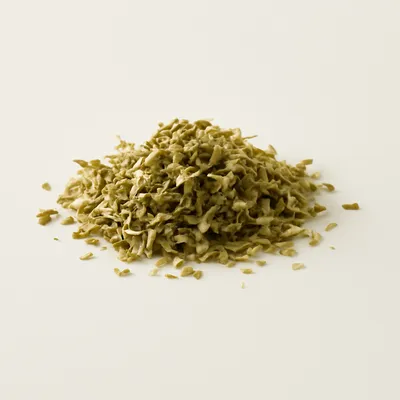
Drizzle generously with olive oil and a splash of red-wine vinegar, then season with dried oregano, salt, and pepper.
- 52 min
Close the roll, press gently, and cut in half on a slight diagonal; serve immediately, cold.
Watch outDress and add the tomato only right before eating, then serve at once — sitting dressed, the oil and vinegar wilt the lettuce and sog the bread.
Archive tool suggestions — not reviewed
These legacy suggestions have not been evidence-reviewed and are not presented as required tools.