Smoked mullet or kingfish, flaked off the bone and folded into cream cheese or mayonnaise with lemon, onion, and hot sauce into a coarse, chunky spread. Served cool on saltines with a pickled jalapeño on the side, it is old-Florida dockside eating from both the Gulf and the Atlantic coasts. Mullet is the classic, its oily flesh built to hold smoke.



Smoked fish dip is a genuine working-waterman folk food, not a chef's invention. Its deep roots are twofold: the wood-smoking of fish by Florida's Indigenous peoples long before European contact, which the historian Gary Mormino calls the state's oldest cuisine, and the commercial mullet smokehouses of the early-to-mid twentieth century. The dip itself — flaked smokehouse fish whipped into a creamy base — belongs to that mid-century roadside fish-house era; Ted Peters Famous Smoked Fish in South Pasadena, founded in 1951 by a family that had been smoking since the 1940s, made its name on exactly this spread. The Gulf fishing village of Cortez, settled in the 1880s and once Florida's largest mullet fishery, gives the tradition its honest texture: it is a survivor of a working economy that the 1995 gill-net ban largely ended.
Smoky, savory, and faintly sweet from the oily fish, the texture coarse and flaky — never a smooth purée — flecked with onion and celery. Cool and rich against the dry salt-snap of a saltine, with a hit of hot sauce and the vinegar bite of a pickled jalapeño to cut the fat. This is paper-plate eating at a dockside counter, the smoke still on it.
The fish is first held in a salt brine, where salt diffuses in and pulls free water out by osmosis, seasoning the flesh, firming the proteins, and holding back bacteria. After brining it is air-dried to form a pellicle, a tacky surface skin that gives the smoke something to bind to, then smoked low over hardwood for hours. Oily fish like mullet and mackerel smoke especially well because smoke flavor comes mostly from phenols, which are fat-soluble: the fat tissue holds far more of them than lean muscle would, and it keeps the flesh from drying over the long, low heat. One honest caveat — lightly smoked Florida fish is a flavor product, not a preserved one, and must be kept refrigerated.
Variations
Mullet is the classic fish, but kingfish, Spanish mackerel, amberjack, wahoo, and mahi all turn up, varying by what each smokehouse lands. The creamy base is the other variable: some cooks lean on cream cheese for body, others on mayonnaise and sour cream, and many add capers, Old Bay, fresh dill or parsley, or Worcestershire. Red oak is the St. Petersburg classic smoking wood, with oak and citrus wood also common. It is almost always served with saltines and pickled jalapeño.
On the Palate
Where Smoked Fish Dip sits in the American flavor cloud
Ingredients
Serves 8How it's made
5 steps · 1 hour
- 120 min
Brine the cleaned fish in salted water for several hours, then pat dry and air-dry until the surface turns tacky and forms a pellicle.
Watch outThe fish is ready to smoke when the surface is no longer wet but faintly sticky — that sheen is the pellicle.
- 2360 min
Smoke over hardwood at low heat for four to eight hours, until cooked through and burnished.
Watch outDone when the flesh flakes easily and has taken on a burnished, golden color from the smoke.
- 315 min
Cool the fish, then carefully pick out the bones and flake the flesh.
- 410 min
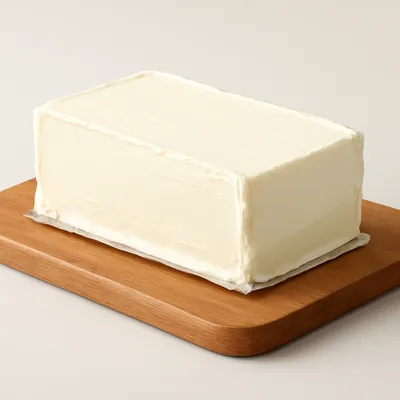
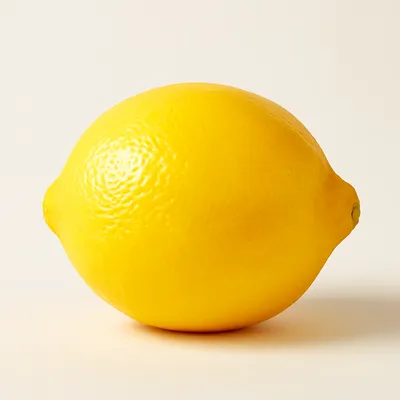
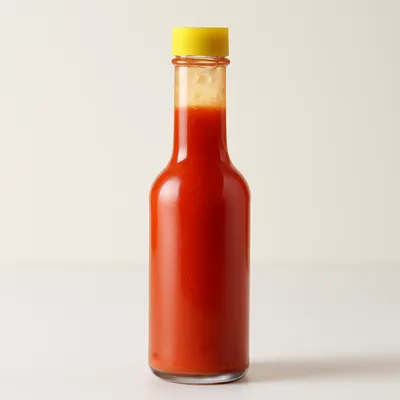
Fold the flaked fish into cream cheese, mayonnaise, or sour cream with lemon, minced onion, celery, hot sauce, salt, and pepper, keeping it chunky.
Watch outFold gently and leave visible flakes — stop before it turns smooth and pasty.
- 5120 min
Chill at least two hours to let the flavors marry, then serve with saltines and pickled jalapeño.
Archive tool suggestions — not reviewed
These legacy suggestions have not been evidence-reviewed and are not presented as required tools.