A whole turkey brined, then cooked low over wood smoke until the skin is burnished and the meat carries a clean smoke flavor and a faint pink ring. Brining and slow smoking guard against the dryness that plagues roast turkey, keeping even the breast juicy. It is a staple of Texas and Southern barbecue joints and a popular alternative to oven-roasting for Thanksgiving and Christmas. The bird is sliced and served like brisket, with the breast and dark meat each prized.





Smoked turkey is recent next to America's long beef and pork barbecue traditions, taking hold around the start of World War II. Research traces an early center of the craze to Fort Worth, Texas: George P. McCarthy, working with a recipe developed with Nora Ellen Elliott at Texas A&M, brined turkeys in salt and saltpeter and smoked them until well-browned, and demonstrated the method around the state during the 1940 holiday season. Smoked turkey at Texas barbecue joints came later, with an early newspaper reference in 1946, and smoked turkey breast has become as common as ribs and pulled pork on Texas barbecue menus only in recent years. It now anchors many barbecue-style holiday tables.
The skin is mahogany and lightly chewy, the breast moist and tender from the brine, the leg and thigh richer and more deeply smoked. A clean wood-smoke aroma runs through without overpowering the meat, and a thin pink smoke ring sits just under the skin. Sliced thick, it stays juicy rather than stringy. It eats lighter than smoked beef or pork but carries the same barbecue character.
Brining is the key: salt dissolved in water diffuses into the meat and, through partial denaturing of the proteins, helps the muscle hold more moisture during the long cook, while seasoning it throughout. A common guide is roughly one hour of brine per pound of bird. The turkey is smoked at low heat (around 250–300°F) so collagen softens and fat renders without drying the lean breast, and wood smoke deposits flavor compounds and reacts with the meat's myoglobin to form the pink smoke ring near the surface. Pulling the bird at a safe internal temperature, then resting it, lets the juices redistribute.
Variations
Many cooks use a wet brine, while others choose a dry brine (a salt rub rested overnight) for crisper skin. Smoke woods range from mild fruit woods to stronger hickory or oak, and some spatchcock the bird (removing the backbone to flatten it) for faster, more even cooking. Smoked turkey breast alone is now a popular barbecue-counter cut, and leftover smoked turkey turns into sandwiches, stock, and gumbo.
On the Palate
Where Smoked Turkey sits in the American flavor cloud
Ingredients
Serves 10How it's made
6 steps · 1 hour active + 14 hours waiting
- 1720 min
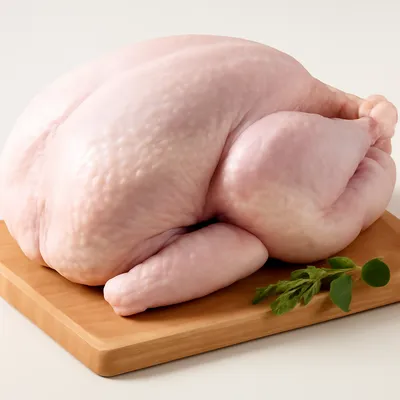
Submerge the turkey in a salt-and-sugar brine with aromatics and refrigerate, about an hour per pound.
Watch outGive the bird a full brine — roughly an hour per pound — so the salt works all the way through; a short soak leaves the deep breast bland and dry after the long smoke.
- 2120 min
Drain, pat dry, and rest uncovered in the fridge so the skin dries for better color.
- 330 min
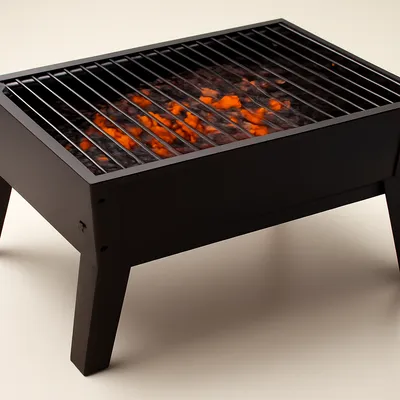
Bring the smoker to a steady low heat and add wood for smoke.
- 4360 min
Smoke the turkey, breast up, maintaining temperature and adding wood as needed.
- 530 min
Cook until the deepest part of the thigh reaches a safe internal temperature.
Watch outPull it the moment the thickest part of the thigh hits a safe internal temperature — smoke low and slow so the fat renders, but overshoot and the lean breast dries out.
- 630 min
Rest the bird loosely tented before carving, and slice to serve.
Watch outRest the bird loosely tented before carving — slice it straight off the smoker and the juices run out onto the board instead of back into the meat.
Archive tool suggestions — not reviewed
These legacy suggestions have not been evidence-reviewed and are not presented as required tools.