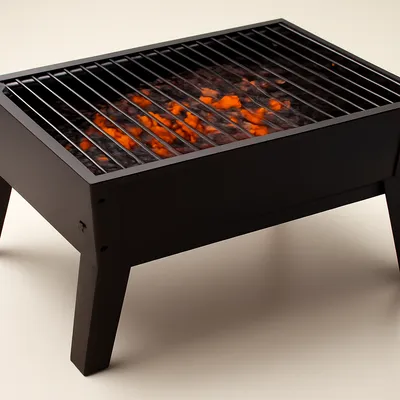
The coarse-ground, all-beef smoked sausage of Elgin, in the Texas Hill Country east of Austin, known locally as 'hot guts' for its spicy cracked-black-pepper bite and its natural casing. Beef chuck and fat are coarsely ground, seasoned hard with black pepper and cayenne, stuffed into casings, and smoked over post oak into a taut, snapping link. It is the Elgin counterpart to the beefier-but-pork-blended links of nearby Lockhart, and is served market-style on butcher paper with white bread, raw onion, and pickles.

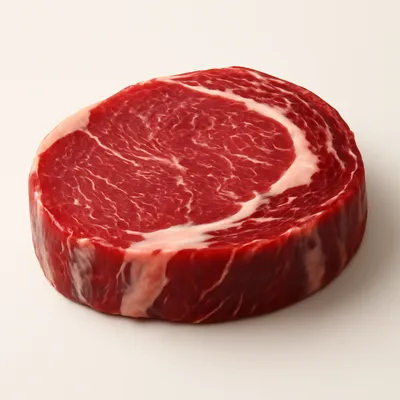

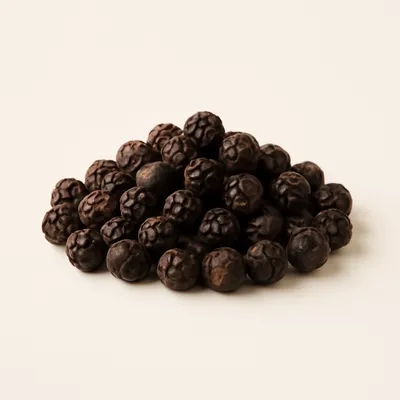


Elgin's sausage tradition centers on Southside Market, founded in 1882 when William Moon began slaughtering and selling meat in the town; the smoked beef link became its signature and earned the 'hot guts' nickname for its peppery heat and natural casing. Local lore credits the recipe's development to longtime pitmaster Bud Frazier. A second house, Meyer's Elgin Smokehouse, opened in 1949 with a German family recipe leaning more on pork. The Texas Legislature named Elgin the Sausage Capital of Texas in 1992. Where the Lockhart markets run a beef-and-pork link, the Elgin hot gut is traditionally all beef.
The casing is taut and snaps audibly at the first bite, releasing hot, peppery fat. Inside, the grind is coarse — visibly grainy beef flecked with cracked black pepper — not the smooth paste of a hot dog. The heat is cracked-pepper-forward with a cayenne warmth that climbs the back of the throat. The all-beef profile reads richer and more savory than a pork link. Eat it folded into a slice of cold white bread to catch the grease, with raw onion for crunch and a pickle to cut the fat.
Pink curing salt (sodium nitrite) sets the cured-pink color, guards against botulism over the long low-temperature smoke, and gives the cured-meat tang that separates a hot link from a fresh sausage. The coarse grind, plus mixing the seasoned meat until the proteins turn sticky and bind, produces the snap-then-loose-grain texture; a fine grind would feel like a hot dog and an unmixed batch would crumble. Natural casing tightens and 'snaps' as it dries and the fat renders within. Post oak burns clean and mild, so the link tastes of beef and pepper rather than heavy woodsmoke.
Variations
The Elgin hot gut is traditionally all beef (Southside Market, since 1882); Meyer's Elgin Smokehouse (1949) leans more on pork from its German family recipe. Nearby Lockhart runs a beef-forward beef-and-pork link (Black's, Kreuz, Smitty's). Cooks vary the heat with more or less cayenne, and some add garlic; the market-style service on butcher paper with bread, onion, and pickle is common to the whole Hill Country.
On the Palate
Where Texas Hot Gut Sausage sits in the American flavor cloud
Ingredients
Serves 6
How it's made
6 steps · 45 min
- 120 min
Cut well-marbled beef chuck and beef fat into cubes and chill until very cold.
- 220 min
Coarsely grind the meat and fat, then season with salt, cracked black pepper, cayenne, and pink curing salt.
- 315 min
Mix the seasoned meat until it turns sticky and binds, a sign the proteins have developed.
Watch outMix until the meat turns visibly sticky and clings to your hand — that tackiness means the proteins have bound; an unmixed batch crumbles apart when sliced.
- 430 min
Stuff the mixture into natural casings, twisting into links, and let them dry briefly in the refrigerator.
- 5180 min
Smoke over post oak at 225-250°F (107-121°C) for about three hours, until the internal temperature reaches 160°F (71°C).
Watch outSmoke low and slow and pull at 71 degrees internal — post oak should leave a clean, mild smoke that tastes of beef and pepper, not heavy campfire.
- 65 min
Rest a few minutes, then serve on butcher paper with white bread, raw onion, and pickles.
Archive tool suggestions — not reviewed
These legacy suggestions have not been evidence-reviewed and are not presented as required tools.