
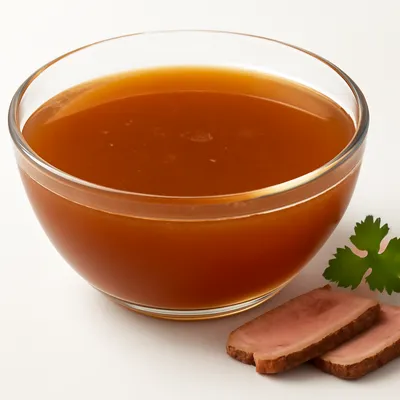
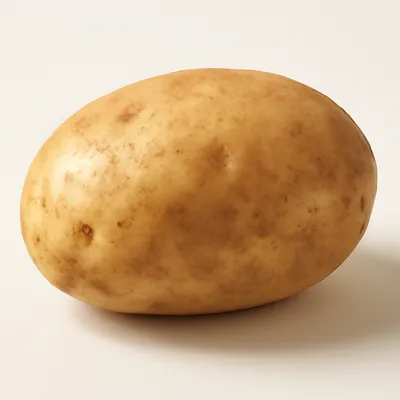
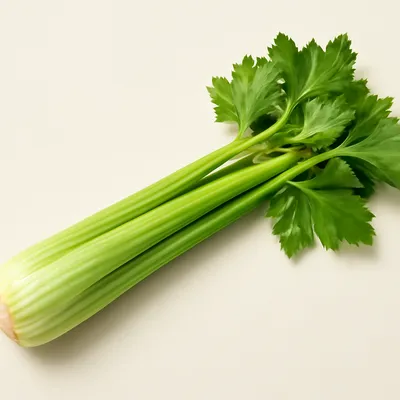
A tomato-and-vegetable soup built on Chesapeake Bay blue crab and heavily seasoned with Old Bay, distinct from the separate creamy cream-of-crab. A beef or vegetable broth carries crushed tomatoes, a load of mixed vegetables — corn, lima beans, green beans, peas, carrot, celery, onion, often potato — and both lump crabmeat and whole crab pieces still in the shell. It is simmered until the vegetables soften and the crab flavor steeps through the broth, then finished with a final shower of Old Bay. A Maryland home-kitchen and crab-house staple, it is ladled out chunky, brothy, and assertively spiced.
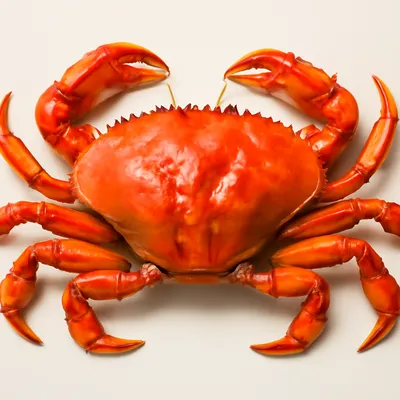



Maryland crab soup is folk home cooking with no recorded inventor or first date; it grew out of the Chesapeake watermen's economy, where blue crab was abundant and cheap and the tomato-vegetable pot stretched a few crabs into a meal. What can be dated is its defining seasoning: Old Bay was created in Baltimore in 1939 by Gustav Brunn, a German-Jewish immigrant who had fled Nazi Germany, through his Baltimore Spice Company. First sold as 'Delicious Brand Shrimp and Crab Seasoning,' it was renamed Old Bay for the Old Bay Line, the steamship line that ran between Baltimore and Norfolk; McCormick bought the recipe in 1990. The soup is firmly separate from cream of crab, the richer cream-based Maryland crab soup that uses no tomato.
Brothy and chunky, not creamy or thick — the liquid stays thin and tomato-red, a contrast to the opaque cream-of-crab. Up front is the Old Bay: celery salt, paprika, and a building peppery heat that catches the back of the throat. The crab reads as clean and sweet against the tang of tomato, the corn and lima beans add starchy softness, and there is real work to it — you crack and suck the shell-on crab pieces for the meat caught inside. Each spoonful should taste of the bay before it tastes of vegetable soup.
Flavor is layered, not from a roux: the shell-on crab pieces are the stock engine, releasing glutamates and shell aromatics into the broth as it simmers, while the lump crabmeat is folded in late so it stays in intact pieces rather than shredding away. The vegetables are simmered, not boiled hard, at roughly 85–95°C so corn and lima beans release starch that lightly bodies the broth without thickening it to a stew. Tomato acidity (pH near 4.3) keeps the soup bright and cuts the sweetness of the crab. Old Bay is added in two stages — early for depth and again at the finish — because its volatile paprika and celery-seed aromatics fade with long heat.
Variations
The fundamental Maryland split is this tomato-vegetable version (sometimes called 'vegetable crab soup') versus cream of crab, the sherry-laced cream-based soup; some crab houses serve a 'half-and-half,' a literal mix of the two in one bowl. Home cooks vary the vegetable mix freely — okra, cabbage, green beans, peas — and the broth runs from beef stock to vegetable stock to a tomato-juice base. Many cooks build it on a leftover steamed-crab pile, cracking spent shells into the pot for extra flavor; the heat level swings widely with how heavy the hand is on the Old Bay.
On the Palate
Where Maryland Crab Soup sits in the American flavor cloud
Ingredients
Serves 6
How it's made
6 steps · 30 min
- 110 min
In a large pot, soften diced onion, celery, and carrot in a little oil until fragrant.
- 25 min
Add beef or vegetable broth, crushed tomatoes, and a generous tablespoon of Old Bay; bring to a simmer.
- 330 min
Add corn, lima beans, green beans, peas, and diced potato, and simmer until the vegetables are tender.
- 420 min
Add whole blue crab pieces or claws in the shell and simmer so the crab flavor steeps into the broth.
Watch outKeep it at a bare simmer once the shell crab goes in — a hard boil makes the broth cloudy and toughens the meat instead of steeping flavor out.
- 55 min
Gently fold in lump crabmeat near the end so it stays in intact pieces.
Watch outFold the lump crab in with a spoon and barely stir — overworking shreds the prized whole pieces into the broth.
- 65 min
Taste and adjust salt, then finish with a final shower of Old Bay just before serving.
Watch outThe final shower of Old Bay goes in off the heat — its aroma is volatile and cooks away if it simmers.
Archive tool suggestions — not reviewed
These legacy suggestions have not been evidence-reviewed and are not presented as required tools.



