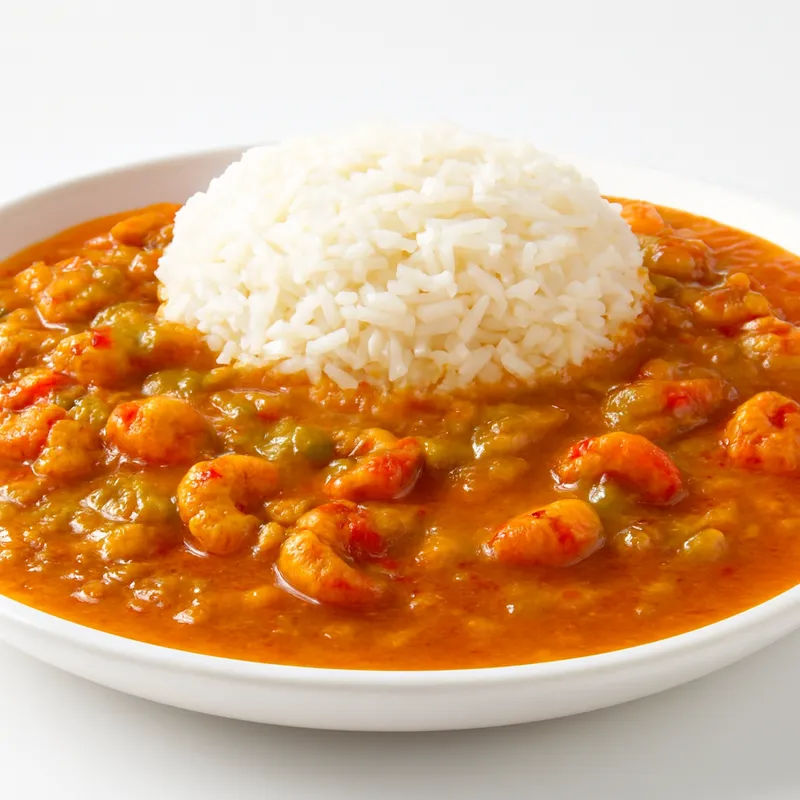
Cajun-Creole rice pilaf turned «dirty» by minced chicken liver and ground pork stirred in with the holy trinity — the liver carries the flavor, not just the color.
Dirty rice originated in Acadiana — French Louisiana, the Cajun parishes — likely in the 19th century as a make-do dish using offal that wouldn't sell at market: chicken livers, gizzards, ground pork scraps. The technique mirrors French farçon (stuffing) repurposed as a side. By the 20th century it was a staple in Cajun and Creole home cooking and on plate-lunch menus across Louisiana. Popeyes (founded 1972 in Arabi, a New Orleans suburb) put it on national fast-food menus, which simultaneously preserved the recipe and homogenized it.
Cajun Acadiana, 19th century — make-do dish from offal that wouldn't sell at market: chicken liver, gizzards, ground pork scraps. The technique mirrors French farçon repurposed as a side. Popeyes (founded New Orleans, 1972) put it on national fast-food menus and homogenized it.
A tan-brown speckled rice that looks like it shouldn't taste this savory — the color comes from liver and browned pork, not soy or stock. First note is meaty-mineral (the liver register), then the pepper-garlic-onion trinity, then a smoky paprika finish. The texture is loose pilaf — separate grains, never sticky. The liver isn't identifiable as liver to people who say they hate liver — it's been rendered to dispersion. Done right, dirty rice is the most savory bowl on a Cajun table.
The trick is that liver and ground meat must be browned to fond before any liquid touches them — Maillard reactions on the pan are 60% of the dish's flavor. The liver gets minced (not chunked) so it disperses into the rice rather than reading as offal in a bite — that's the difference between dirty rice that converts skeptics and dirty rice that scares them off. The milk soak removes a portion of the iron-bitter compounds in the liver. Long-grain white rice (not jasmine, not basmati) gives the right loose pilaf texture; aromatic rices fight the meat flavor.
Variations
Lafayette home-style heavy on liver; New Orleans Creole rice dressing uses ground beef and less liver; jambalaya is the wetter cousin (cooked with stock, not pre-browned); Popeyes' version is the homogenized national reference; Prejean's (Lafayette) does the restaurant-canonical plate.
On the Palate
Where Dirty Rice sits in the American flavor cloud
Ingredients
Serves 4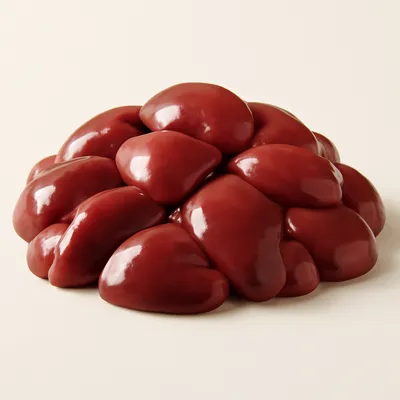






How it's made
6 steps · 35 min active + 15 min waiting
- 117 min
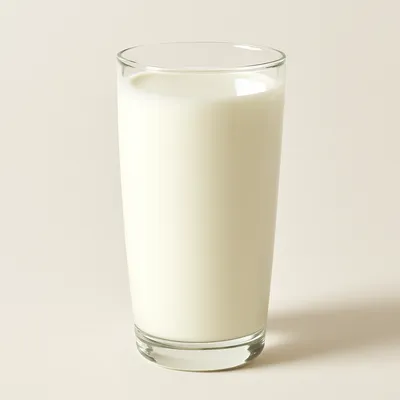
Trim 4 oz (115g) chicken livers — remove green bile spots and connective tissue. Soak in cold milk 15 minutes (mellows the iron-y bite). Drain, pat dry, mince fine with a heavy knife. The pieces should look like coarse paste, not chunks.
Watch outMince truly fine — visible liver chunks read as offal-bomb in a bite. The whole point is dispersion.
- 28 min
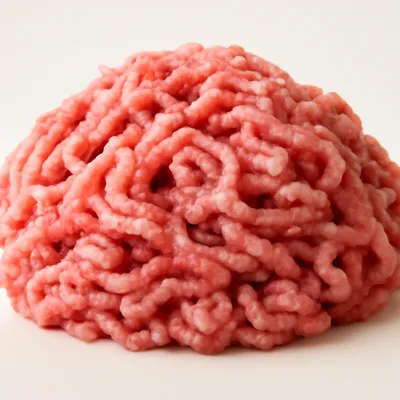
In a 12-inch skillet over medium-high, brown 8 oz (225g) ground pork in 1 tbsp neutral oil, breaking it up. Cook until the fond on the pan is dark brown — 8 minutes. The browning is doing most of the flavor work.
Watch outDon't crowd — wet pork steams instead of browns and you lose the dirty-rice color.
- 37 min
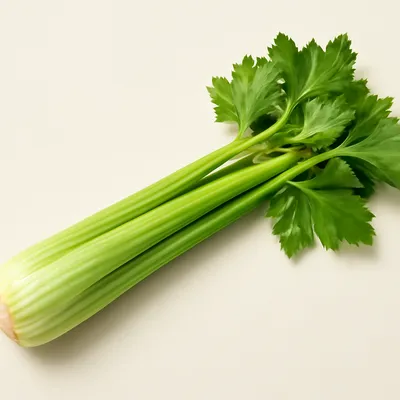
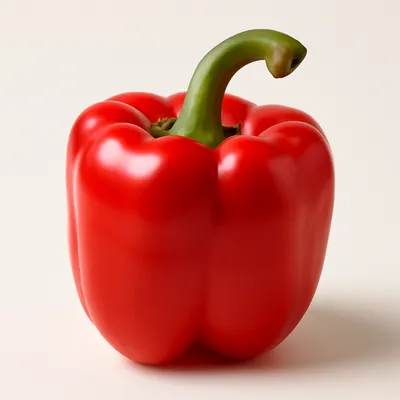
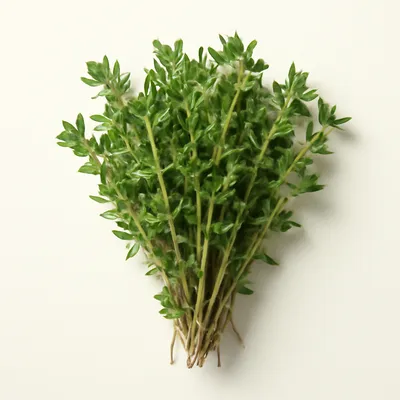
Push pork to the side. Add the holy trinity: 1 small diced yellow onion, 1 stalk diced celery, 1/2 diced green bell pepper. Sweat 6 minutes in the pork fat. Add 3 minced garlic cloves, 1 tsp dried thyme, 1 tsp paprika, 1/2 tsp cayenne, 1 tsp Creole seasoning; cook 1 minute.
- 43 min
Add the minced liver. Stir hard for 2 minutes — liver should turn from raw red to gray-brown and disappear into the meat-vegetable mass. This is when the pan goes truly «dirty.»
Watch outCook just past raw — overcooked liver turns chalky and bitter. Should still feel slightly creamy.
- 520 min
Add 2 cups (475ml) chicken stock, 2 bay leaves, 1 tsp salt, scrape the fond. Stir in 1 cup (200g) long-grain white rice. Bring to a boil, lower to lowest simmer, cover tightly. Cook 18 minutes undisturbed.
- 612 min
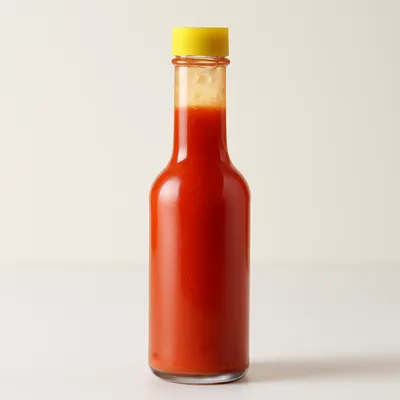
Off heat, rest covered 10 minutes. Fluff with a fork — rice should be a deep tan-brown speckled with vegetable, no liquid pooling. Stir in 2 tbsp sliced scallion green and a generous shake of chopped parsley. Serve with hot sauce.
Archive tool suggestions — not reviewed
These legacy suggestions have not been evidence-reviewed and are not presented as required tools.
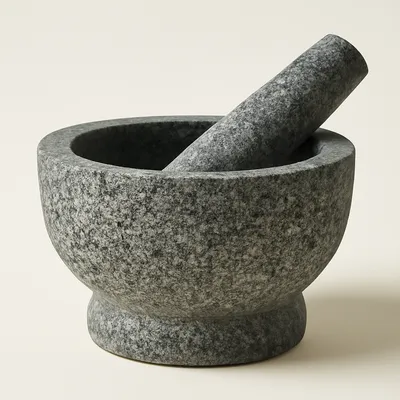
The simplest tool in any kitchen: a heavy bowl and a club to bash things in it. Different cuisines use different stones — Thai cooks pound green papaya in a tall granite mortar (krok hin); pesto Genovese requires the soft-pored Carrara marble; Indian masalas grind down on rough basalt. The bash-don't-cut motion releases volatile oils that a blade keeps sealed in the cell wall.

A heavy, single-piece cast iron pan, 25-30 cm across, weighing 1.5-2.5 kg. Once preheated, the thick mass holds 230°C+ even when a cold steak hits the surface — that's the secret to a deep crust. A well-seasoned skillet (multiple thin layers of polymerized oil baked into the iron) is essentially nonstick, gets better with use, and lasts a century. Lodge skillets from Tennessee have been in continuous production since 1896.