
Louisiana stew built on a chocolate-dark roux, the holy trinity of onion-celery-bell pepper, andouille sausage, chicken thighs, and shrimp — thickened with okra or filé powder and ladled over white rice.
Gumbo emerged in 18th-century Louisiana from four streams: West African okra-thickened stews (the word gumbo comes from kingombo, Bantu for okra), Choctaw filé powder (ground sassafras leaves), French dark roux technique, and Spanish-Caribbean rice cookery. By the 1800s it was the everyday family-table dish across southern Louisiana. The Cajun version (rural, no tomatoes, often duck and oyster) and the Creole version (urban New Orleans, sometimes tomato, mixed proteins) developed in parallel. This recipe is the broader Southern Louisiana home-table version.
Four streams in one pot: West African okra (kingombo, Bantu), Choctaw filé powder, French dark roux, Spanish-Caribbean rice. The roux must go to dark cocoa — 35-40 minutes of stirring. Filé goes in off-heat or it ropes.
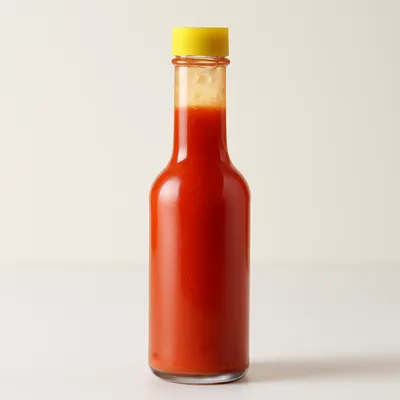
The roux gives gumbo its color and its base taste — toasted, almost coffee-bitter, miles past brown gravy. Spoon: a dark mahogany broth coating shreds of chicken, rounds of smoky andouille with bright orange fat, and shrimp curled tight. The okra slick on your spoon. Bell pepper sweet, celery savory, onion gone to backdrop. Hot rice underneath cools the broth on contact. Tabasco and filé you add at table. A grey-brown gumbo is undercooked roux — should be the color of dark cocoa.
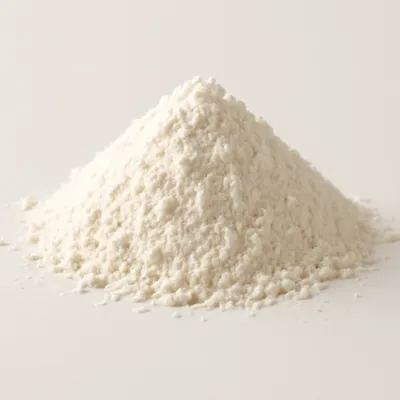
The roux is gumbo. Flour cooked in oil to dark chocolate (35-40 minutes of stirring) loses thickening power but gains roasted-wheat depth — the Maillard reaction goes from page 1 to page 100. Okra and filé are alternative thickeners precisely because the dark roux can no longer thicken. Filé powder must be added off-heat: at simmering temperature, sassafras mucilage forms long ropes that ruin texture. Frozen okra avoids the live-mucilage slime that fresh okra produces.
Variations
Cajun (rural, no tomato, often duck-and-oyster); Creole (urban New Orleans, sometimes tomato, mixed proteins); gumbo z'herbes is a Holy Thursday version with seven greens; Dooky Chase's (New Orleans, 1941) is the Creole reference.
On the Palate
Where Gumbo sits in the American flavor cloud
Ingredients
Serves 6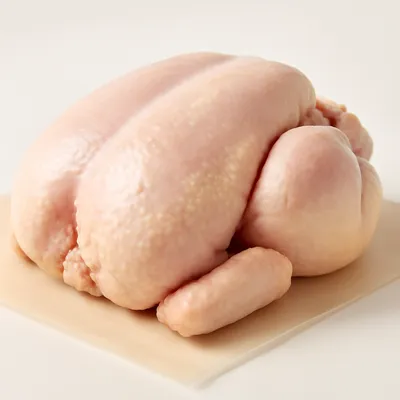






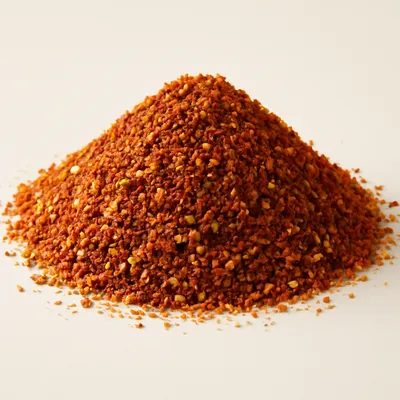
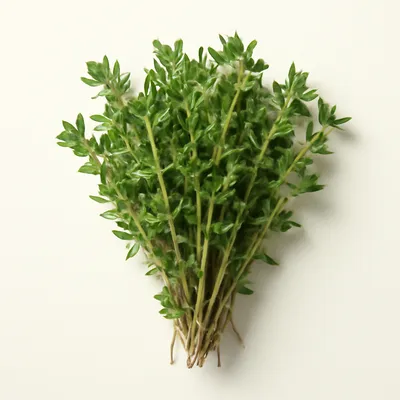

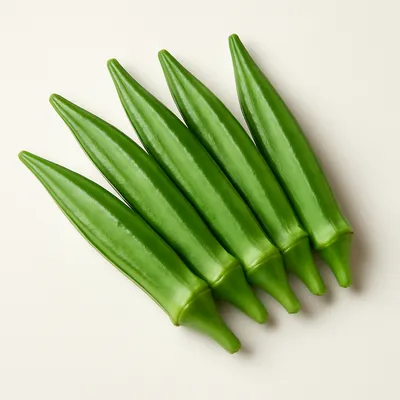
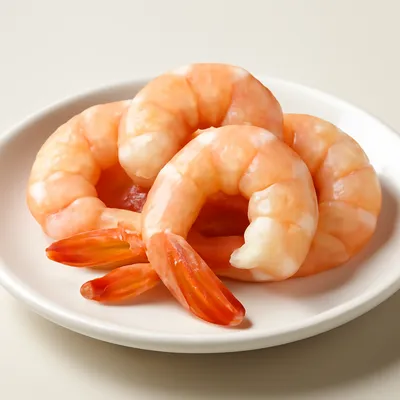



How it's made
6 steps · 2 hours active + 30 min waiting
- 115 min
Pat 800g bone-in chicken thighs dry and season with salt and pepper. Brown in 2 tbsp neutral oil in a heavy 5L Dutch oven over medium-high heat, 4 minutes per side. Remove. Slice 400g andouille sausage into rounds; brown in the same pot 5 minutes. Remove.
- 240 min
Reduce heat to medium-low. Add 200g all-purpose flour and 200ml vegetable oil to the pot. Whisk constantly. The roux will go: blonde (5 min) → peanut butter (15 min) → milk chocolate (25 min) → dark chocolate (35-40 min). Pull at dark chocolate, just before it smells burned.
Watch outBlack flecks = burned roux. Start over. The whole pot is ruined; even a 5% burned-roux taste poisons gumbo.
- 310 min
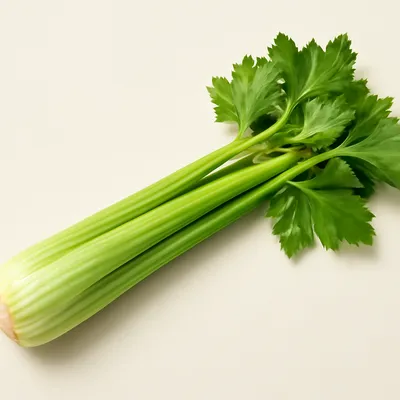
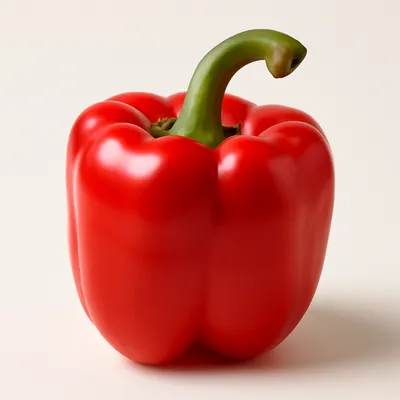
Off heat, add 2 large diced onions, 4 diced celery stalks, 2 diced green bell peppers — the holy trinity. They sizzle violently and cool the roux. Stir until vegetables soften, 8 minutes. Add 6 minced garlic cloves, 2 bay leaves, 1 tbsp Cajun seasoning, 1 tsp thyme.
- 460 min
Slowly whisk in 2L hot chicken stock — a ladle at a time — to keep the roux smooth. Return chicken and andouille. Simmer uncovered 60 minutes — flavors meld, fat rises and is skimmed off.
- 515 min
Add 200g sliced okra (or skip okra if using filé later). Simmer 15 minutes — okra releases its mucilage and thickens the gumbo to a loose stew. Pull chicken thighs, shred meat off bone, return meat to pot.
Watch outFrozen okra works fine and avoids the slime issue — it's been frozen in the active enzyme stage.
- 65 min
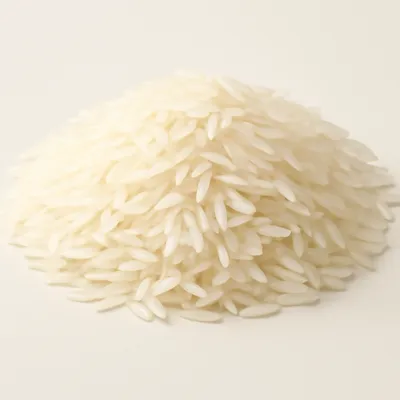
Add 500g peeled large shrimp. Cook 3 minutes — until just curled. Off heat, taste for salt and Tabasco. If using filé instead of okra, sprinkle 1 tbsp ground filé powder now (never while cooking — it ropes). Ladle over white rice, top with sliced scallions and parsley.
Archive tool suggestions — not reviewed
These legacy suggestions have not been evidence-reviewed and are not presented as required tools.

A heavy enameled or bare cast-iron lidded pot, 4-7 liters, with thick walls and a snug lid. The mass evens out hotspots; the lid traps moisture for braising. Sears on the stovetop, then transfers to a 150°C oven for 3-4 hours of even, contained heat — the structural difference between a beef bourguignon that comes out luminous and one that turns to gray mush. Le Creuset and Staub are the celebrated versions; an old American Wagner is functionally identical.

An electric pot with a thermostat that switches off the moment internal temperature exceeds 100°C — meaning the moment all free water has boiled off. Add rinsed rice and water (1:1.2 by volume for short-grain), press start; 25 minutes later it sits in warming mode and stays at 65°C all day. The fuzzy-logic Japanese versions (Zojirushi, Tiger) cook brown rice, sushi rice, and porridge with separate algorithms for each.


