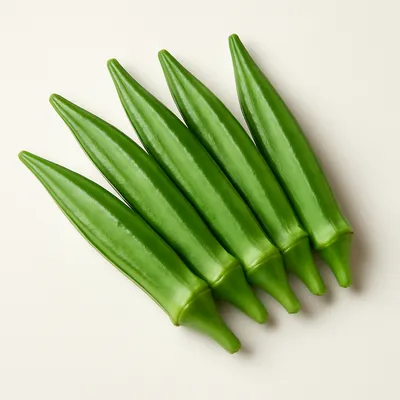
Codified in southern Louisiana in the early 1800s, fusing French roux technique, West African okra (the word "gumbo" derives from Bantu ki-ngombo, okra), Choctaw filé powder, and Spanish sausage tradition. Cajun gumbo (rural, dark roux, no tomato) diverges from Creole gumbo (urban New Orleans, lighter roux, often tomato and seafood). The dark roux distinguishes Cajun cooking globally.
The roux must go past peanut-butter to chocolate — 30 to 45 minutes of stirring at medium-low. Past that point starch loses thickening power, so the body comes from gelatin, okra, or filé instead. Stop early and you have thick beige soup.
A deep-brown stew over a scoop of white rice in the bowl. The roux carries first — toasted, almost coffee-bitter — then andouille smoke, then shrimp or crab sweetness. Filé powder (ground sassafras leaf) goes on at the table; it thickens on contact and tastes like root beer. Spoon scrapes the bottom; the rice anchors the heat. Roux that's pale tan means undercooked.
The roux must go past peanut-butter brown to chocolate — 30–45 minutes of constant stirring at medium-low. At that point starch is mostly toasted, so it loses thickening power; gumbo's body comes from gelatin (from sausage and shells), okra slime, or filé instead. A dark roux flavors more than it thickens — beginners stop too early and end up with thick beige soup.
Variations
Cajun gumbo (rural, dark roux, no tomato) vs Creole gumbo z'herbes (Lenten greens, no meat); Dooky Chase's in New Orleans runs a 9-greens version on Holy Thursday; Gonzales-style leans hardest on andouille.
On the Palate
Where Cajun Gumbo sits in the Cajun flavor cloud
Everything rides on the roux going all the way to chocolate: whisk flour and oil over medium-low for 30–45 minutes without stopping until it's the color of dark cocoa — stop at peanut-butter brown and you get a thick beige soup with none of the deep toasted flavor.
Ingredients











How it's made
7 steps · 1 hour 5 min active + 1 hour waiting
- 115 min
In a large stockpot, heat the oil over medium-high heat. Gradually whisk in the flour, stirring constantly until you achieve a deep, nutty brown roux. The aroma should be rich and toasty.
Watch outThe roux is ready when it's a glossy dark chocolate brown and smells deeply toasted, almost like coffee — right before that it's dangerously close to burning, so don't step away.
- 25 min
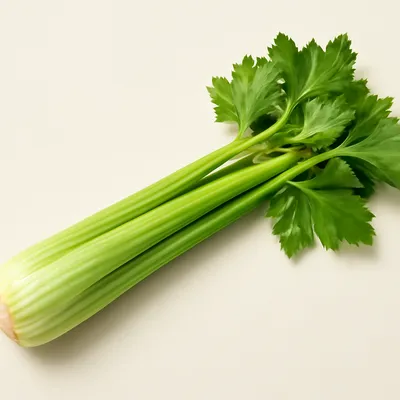
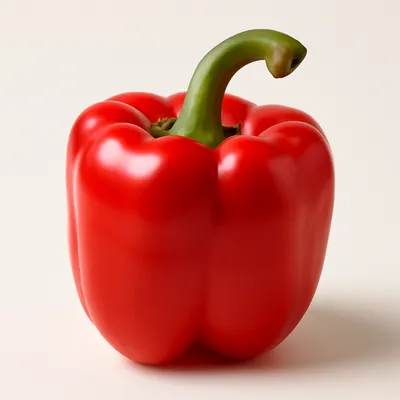
Add the onions, celery, and bell pepper to the roux. Sauté until the vegetables are wilted and their flavors meld into the roux.
- 315 min
Add the chicken pieces and sliced sausage to the pot, stirring to coat them in the roux and vegetables. Sauté until the chicken begins to brown slightly.
- 410 min
Gradually add the chicken stock, one ladle at a time, stirring constantly to ensure a smooth blend. Bring the mixture to a rolling boil.
Watch outAdd stock gradually and stir smooth after each ladle — the hot roux will hiss and steam; that's fine, just keep it lump-free.
- 510 min
Reduce the heat to a simmer and cook for about an hour, skimming any fat or oil that rises to the top. The gumbo should become thick and flavorful.
Watch outAs it simmers, skim the orange oil that rises to the top — leave it and the gumbo tastes greasy instead of clean and deep.
- 65 min
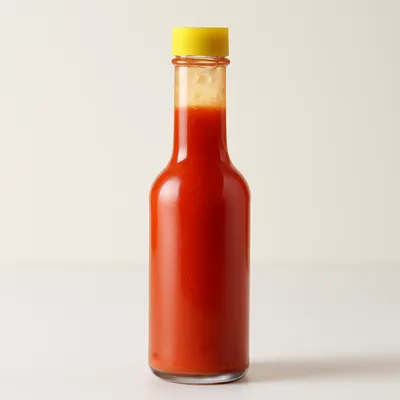
Add the green onions, bay leaf, and season with salt, pepper, and hot sauce to taste. Simmer for an additional 30 minutes until the chicken is tender and flavors are well developed.
- 75 min
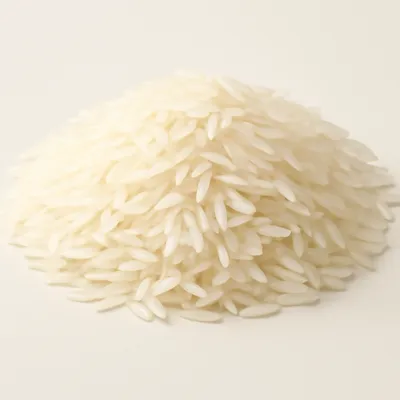
Serve the gumbo hot over a bed of steamed white rice, garnished with fresh parsley.
Archive tool suggestions — not reviewed
These legacy suggestions have not been evidence-reviewed and are not presented as required tools.