
Developed in 18th-century Louisiana. The most-repeated account has Spanish colonists attempting paella — saffron being unavailable in the colonies, so tomato (the urban Creole version) or browned meat fond (the rural Cajun version) gave the color instead — but the dish is not from a single source: West African rice cookery brought by enslaved people, the same lineage as jollof, is widely credited as another root. The name's origin is unsettled: candidates include the Provençal jambalaia (a mish-mash), and a French jambon (ham) joined to a West African word for grains. The Cajun line tracks the Acadian refugees expelled from Nova Scotia in 1755 who settled the Louisiana bayous.
18th-century Louisiana attempt at paella with no saffron — Cajun cooks substituted browned meat fond for color, Creole cooks substituted tomato. Rice cooks IN the seasoned liquid; stir it like risotto and the starch betrays you.
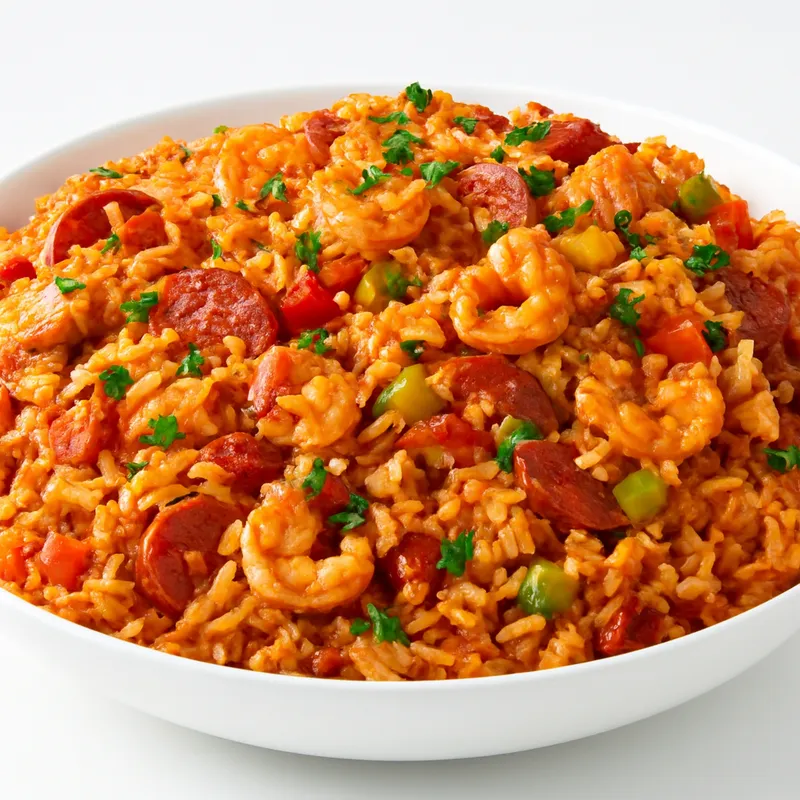
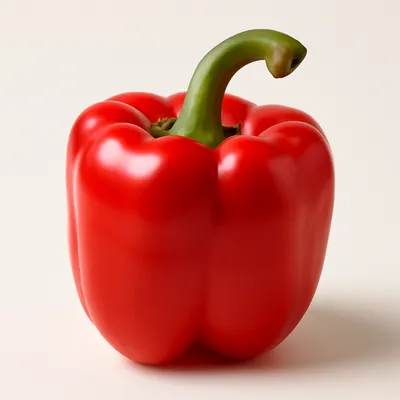
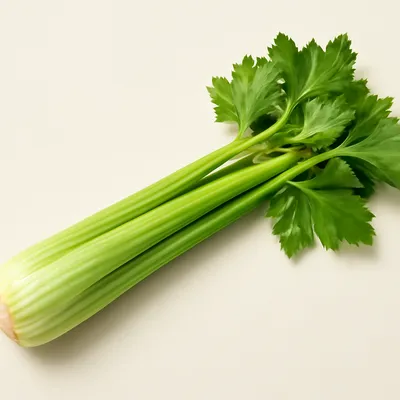
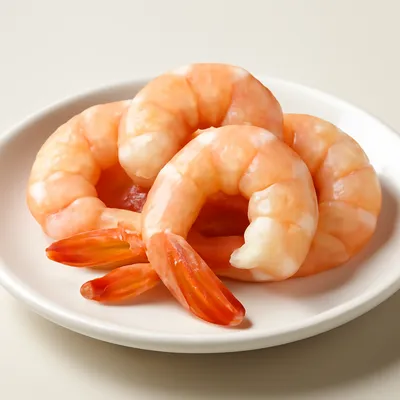
Rice the color of brick, cooked in the same pot as the meat — andouille sausage, chicken, sometimes shrimp, with the holy trinity of onion, celery, green bell pepper. Each grain is separate but stained through with paprika, cayenne, and the sausage fat. Cajun (country) version skips tomato; Creole (city, New Orleans) adds it. Crusty bottom layer (the gratin) is the prize.
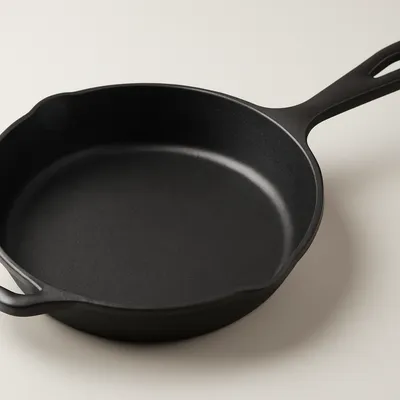
Rice-to-liquid ratio is the whole game: the rice cooks IN the seasoned cooking liquid, absorbing flavor as it hydrates. Stir too much and the starch releases — you get risotto, not jambalaya. The brown bottom crust (called the gratin or pe-can) is from the sugar in the trinity caramelizing on the cast-iron — scrape and stir back at the end.
Variations
Cajun (country) skips tomato and gets color from browned meat fond; Creole (New Orleans) is brick-red from tomato; jambalaya rouge in Gonzales pushes the gratin (the cast-iron crust) hardest.
On the Palate
Where Jambalaya sits in the Cajun flavor cloud
Ingredients







How it's made
4 steps · 43 min
- 110 min
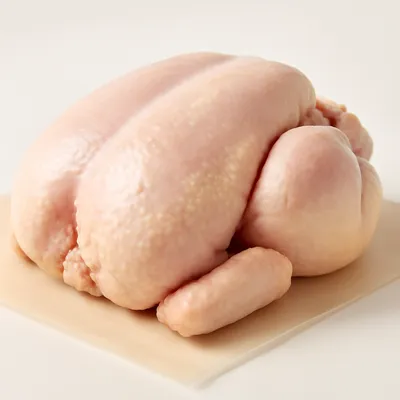
In a large, heavy pot, heat a splash of oil over medium-high heat. Add the sausage and chicken pieces, searing until browned on all sides and the kitchen is filled with a smoky aroma.
Watch outSear the sausage and chicken hard until deep brown and the kitchen smells smoky — that fond glued to the pot is the color and flavor base.
- 28 min
Add the chopped onion, capsicum, and celery to the pot. Stir frequently until the vegetables are softened and beginning to caramelize, releasing their sweet aromas.
- 35 min
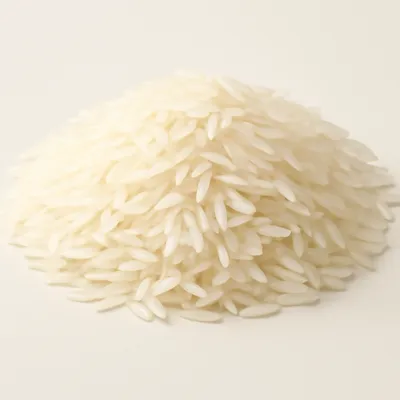
Stir in the rice, ensuring each grain is coated with the flavorful oils and juices. Cook for a couple of minutes until the rice is slightly toasted.
Watch outToast the rice a couple minutes until each grain is coated and slightly translucent at the edges — this sets the grains so they cook up separate.
- 420 min
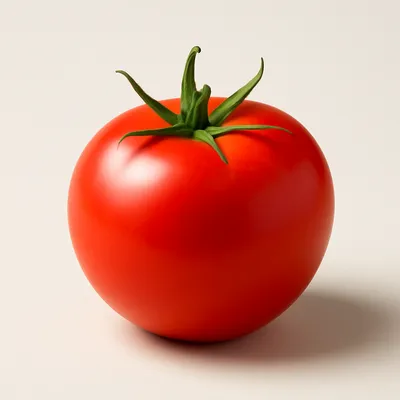
Add the diced tomatoes and stock, stirring to combine. Bring the mixture to a boil, then reduce to a simmer. Cover and cook until the rice is tender and has absorbed the liquid, with the flavors melding beautifully.
Watch outOnce it hits a boil, drop to the barest simmer and cover — you want gentle bubbles under the lid, not a hard rolling boil that scorches the bottom.
Archive tool suggestions — not reviewed
These legacy suggestions have not been evidence-reviewed and are not presented as required tools.