Étouffée — from the French «étouffer,» «to smother» — emerged in Cajun country, mid-20th century, the earliest documented version a crawfish dish made by Mrs. Hebert and her daughters at the Hebert Hotel in Breaux Bridge, Louisiana, in the late 1920s-30s, reaching restaurant menus around the 1950s. It's a Cajun-Creole crossover: blond roux is European technique, the holy trinity is Cajun, the rice base is West African. Crawfish étouffée came first (peak crawfish season is spring); the shrimp version is the year-round Gulf Coast variant. Distinct from gumbo: étouffée uses a blond roux, gumbo uses a chocolate-dark one.
From French «étouffer», to smother. Hebert's Cafe (Breaux Bridge, LA) ran the earliest documented restaurant version in the 1920s-30s. Crawfish étouffée came first; shrimp is the year-round Gulf variant. Blond roux distinguishes it from gumbo's chocolate-dark roux — same technique, different point on the spectrum.
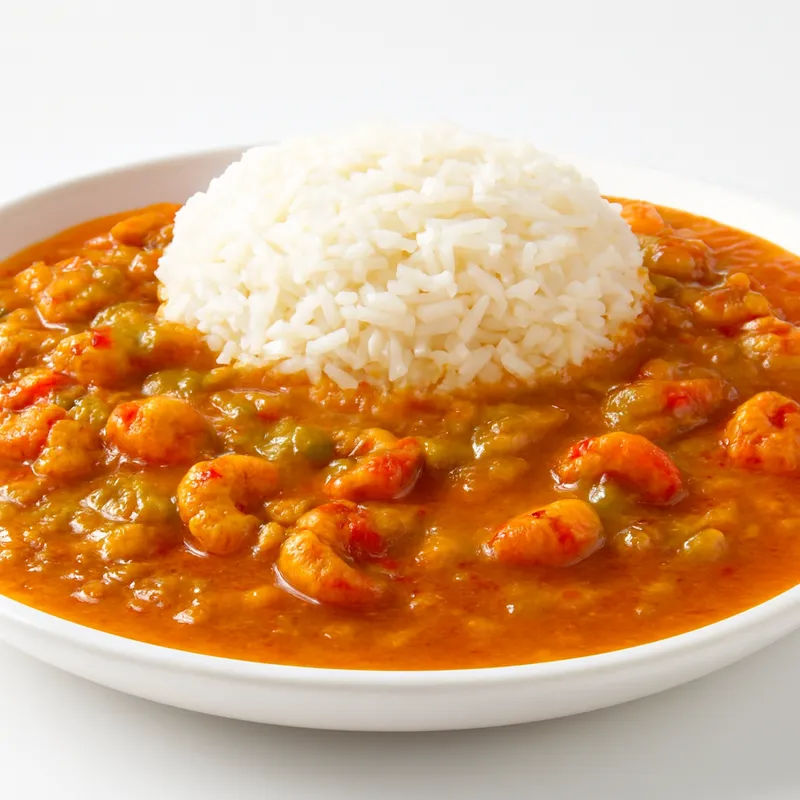
A peach-orange gravy thick enough to coat the rice but not paste it, with whole shrimp curled C-shaped through the surface. First the warmth of butter-roux and shrimp stock, then the celery-pepper-onion register, then a slow build of cayenne. The shrimp pop snap-tender — overcooked shrimp is the most common failure. Lighter and faster than gumbo, with a single-protein focus. Étouffée — French «smothered» — is exactly that: shrimp under a blanket of sauce, set on rice that catches what falls.
The roux color is the technical pivot: a blond peanut-butter roux retains most of its starch's thickening power, so it produces a tighter, lighter sauce — étouffée. A chocolate-dark roux loses thickening power as it browns and trades it for nutty depth, so it produces a thinner, deeper sauce — gumbo. Same technique, different point on a continuous spectrum, completely different dish. Shrimp shell stock is the second non-obvious move: simmering the shells extracts glutamate-rich juice that cannot be replicated with chicken or commercial seafood stock. Shrimp go in at the very end because at >145°F (63°C) for more than 4 minutes their muscle proteins squeeze out water and rubberize.
Variations
Crawfish étouffée (the original, spring season); shrimp étouffée (year-round Gulf); Hebert's Cafe (Breaux Bridge) and Pat's of Henderson run the canonical Cajun versions; Galatoire's (New Orleans, 1905) plates a Creole version with tomato.
On the Palate
Where Shrimp Étouffée sits in the American flavor cloud
Ingredients
Serves 4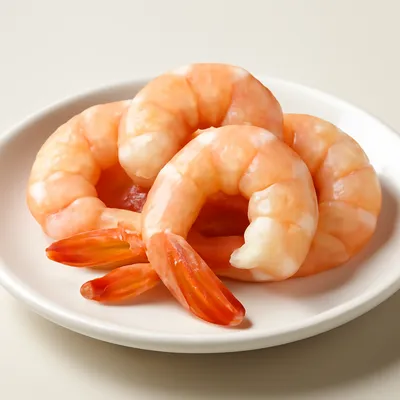









How it's made
7 steps · 45 min active + 15 min waiting
- 110 min
Peel and devein 1.25 lb (570g) Gulf shrimp (16/20 count if you can find them). Reserve shells. Pat shrimp dry, season with 1 tsp Creole seasoning, refrigerate.
Watch outSave the shells. Stock made from them in the next step is what separates étouffée from generic shrimp gravy.
- 222 min
Make a quick stock: simmer the reserved shrimp shells with 4 cups (950ml) water, 1/2 onion, a celery top, and 1 bay leaf for 20 minutes. Strain. You should have ~3 cups (700ml) of pale orange-pink stock.
- 36 min
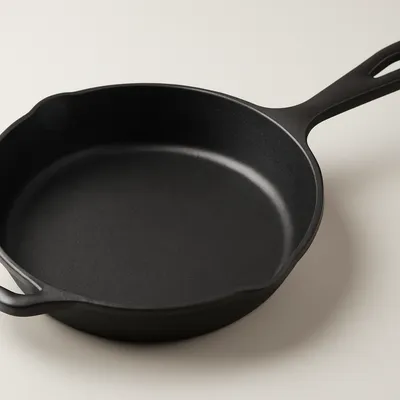
In a 12-inch skillet, melt 6 tbsp (85g) unsalted butter over medium. Whisk in 1/3 cup (40g) all-purpose flour. Stir constantly for 4-6 minutes until the roux is the color of peanut butter — blond, NOT chocolate (that's gumbo, not étouffée).
Watch outÉtouffée is a blond-roux dish; if it darkens past peanut-butter color you've made the base for gumbo. Pull it the moment it smells nutty.
- 46 min
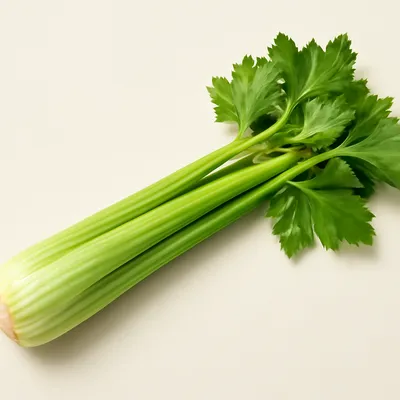
Add the holy trinity to the roux: 1 small diced yellow onion, 1 stalk diced celery, 1/2 diced green bell pepper. Stir hard — the roux will seize and coat the vegetables. Cook 5 minutes until softened. Add 4 minced garlic cloves; 30 seconds.
- 513 min
Slowly whisk in 2.5 cups (600ml) of the warm shrimp stock, in three additions, breaking up lumps each time. Add 2 bay leaves, 1 tsp Creole seasoning, 1/2 tsp cayenne, 1 tsp Worcestershire sauce. Simmer 12 minutes — sauce thickens to gravy that coats a spoon.
- 64 min
Add the shrimp. Cook just 3-4 minutes until they curl into Cs and turn opaque pink. Off heat — residual heat finishes them. Stir in 2 tbsp chopped parsley, 2 tbsp scallion green, juice of half a lemon. Salt to taste.
Watch outShrimp curled into a tight O are overcooked — pull at the C-shape stage. The sauce will be hot enough to take them past raw without rubberizing them.
- 72 min
Serve a generous ladle over a mound of long-grain white rice. Hot sauce, more lemon, and a green onion garnish on the table.
Archive tool suggestions — not reviewed
These legacy suggestions have not been evidence-reviewed and are not presented as required tools.