Tucson-Sonoran air-dried beef: lean cuts marinated, dried hard in the desert sun, then pounded and shredded into fine strands. The dry meat is rehydrated and cooked down with onion, tomato, and chile until savory and tender, and often scrambled into eggs or rolled into tacos and burritos. In the Sonoran tradition the drying is done outdoors in dry desert air rather than a smoker. It overlaps heavily with machaca, the same shredded dried beef used across northern Mexico and the Southwest.
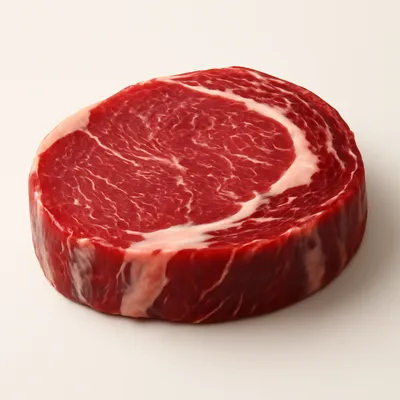


The technique comes from the practical need to preserve beef in a desert climate before refrigeration: early Tucson households salted and seasoned thin strips of beef and sun-dried them on rooftops and racks, letting the dry Sonoran air do the work of a dehydrator, then pounded the hard meat tender to cook back into meals. Tucson's El Charro Café, founded by Monica Flin in 1922 and run by the same family since, is closely identified with keeping the tradition alive, drying beef in a metal cage in the sun; the restaurant operates under a grandfather provision that lets it continue the outdoor method. The dish reflects the deep Sonoran roots of southern Arizona's food.
Concentrated, deeply beefy, and faintly tangy from the drying and marinade, with a fibrous shred that holds a little chew even after rehydrating. Onion and tomato sweeten it, and the chile gives a slow background heat. Folded into soft eggs it turns rich and homey; in a warm flour tortilla it is the heart of a classic Sonoran breakfast burrito. The flavor is more intense than fresh beef because drying drives off water and concentrates everything.
Sun-drying removes most of the meat's moisture and concentrates its proteins and flavor, while salt draws out water and suppresses spoilage, the same logic as jerky but using ambient desert air rather than heat or smoke. The dried strips are then mechanically broken down — traditionally pounded in a mortar — to fray the muscle fibers so they soak liquid back up. Rehydrating in a pan with tomato and onion juices restores tenderness without making the meat watery, and a quick reheat finishes it without toughening the strands.
Variations
Carne seca con huevo scrambles it with eggs for breakfast; it also fills tacos, burritos, chimichangas, and topopos (Sonoran tostada salads). Some cooks now dry the beef in a low oven or dehydrator when desert sun isn't practical. Across northern Mexico the same product is usually called machaca, and the line between the two terms is blurry and regional.
On the Palate
Where Carne Seca sits in the American flavor cloud
Ingredients
Serves 4
How it's made
6 steps · 40 min active + 50 min waiting
- 115 min
Slice lean beef thin across the grain, then season with salt, garlic, and lime or vinegar.
- 250 min
Air-dry the strips in dry, hot sun on racks (or in a low oven) until stiff and fully dried.
Watch outDry the strips until stiff and fully dried through — any moisture left inside and they'll spoil instead of keeping.
- 310 min
Pound or pulse the dried beef to shred it into fine, loose strands.
- 48 min
Saute onion, tomato, and chile in a hot pan until softened.
- 510 min
Add the shredded dried beef with a splash of water and cook until it rehydrates and the liquid reduces.
Watch outAdd just a splash of water and cook until it's absorbed — flood the pan and the meat goes watery instead of tender-chewy.
- 65 min
Either fold in beaten eggs and scramble to set, or serve the meat in warm tortillas.
Archive tool suggestions — not reviewed
These legacy suggestions have not been evidence-reviewed and are not presented as required tools.