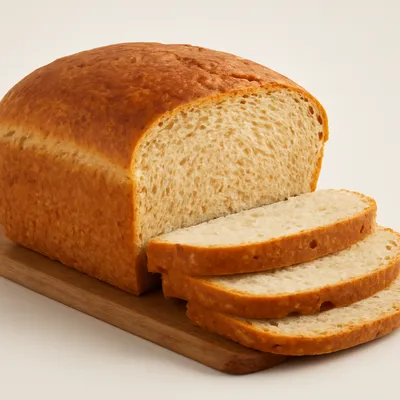
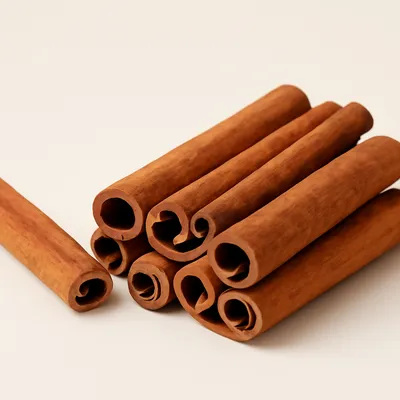
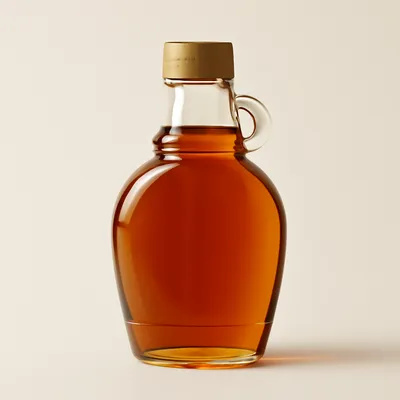
Slices of bread soaked in a custard of beaten egg and milk — usually sweetened with sugar and scented with vanilla and cinnamon — then griddled in butter until the surface is browned and the interior set to a soft, custardy center. It is served at breakfast or brunch dusted with powdered sugar and drizzled with maple syrup, often alongside fruit or bacon. Day-old or slightly stale bread is preferred because its drier crumb soaks up more custard.


The dish of bread soaked in egg and milk and fried is ancient: a recipe titled 'aliter dulcia' ('another sweet dish') appears in De Re Coquinaria, the Roman cookery collection attributed to Apicius, soaking bread in milk, frying it, and finishing with honey. The English term 'French toast' is old and of disputed origin — it is recorded in print by 1660 in Robert May's The Accomplisht Cook, well before the popular tale that an Albany, New York innkeeper named Joseph French coined it in 1724 (a story dismissed as apocryphal, since the name predates him and 'French' here likely refers to a style rather than a person). The French call it 'pain perdu', 'lost bread', because it rescues stale bread that would otherwise be wasted.
The surface is lightly crisp and butter-browned, giving way to a warm, tender interior that is almost pudding-soft in the center where the custard has set but not dried. It is rich and faintly sweet, with the warmth of cinnamon and vanilla and the caramel note of browned butter; maple syrup adds a clean sweetness and powdered sugar a soft dusting. Good French toast is moist through the middle without being raw or soggy — the contrast of crisp edge and custard core is the mark of it.
Soaking lets the custard penetrate the bread; a drier, day-old crumb has more open structure to absorb it. On the griddle two things set the toast: the egg proteins coagulate as the interior heats — egg whites begin to firm around 60°C and a milk-and-egg custard thickens at roughly 80–85°C — turning the soaked liquid into a soft solid, while moisture inside turns to steam and keeps the center tender. At the same time the surface browns by the Maillard reaction between the egg and milk proteins and the sugars, and by caramelization of the added sugar, giving the crust its color and flavor. Cooking over moderate heat in butter browns the outside before the inside overcooks; too high and the surface scorches while the center stays raw.
Variations
Richer breads make richer toast: brioche and challah are favorites, the latter giving the Jewish-American version. New Orleans serves 'pain perdu' in the French tradition; Hong Kong's deep-fried, kaya- or peanut-butter-filled version is a separate dish entirely. Savory takes drop the sugar for salt and herbs ('eggy bread' in Britain), and stuffed and baked 'French toast casserole' is a brunch-buffet staple. Spain's torrija and Germany's arme Ritter are close European siblings.
On the Palate
Where French Toast sits in the American flavor cloud
Ingredients
Serves 4
How it's made
6 steps · 10 min
- 13 min
Whisk eggs, milk, sugar, vanilla, and a pinch of cinnamon and salt into a smooth custard.
- 21 min
Pour the custard into a shallow dish wide enough to lay a bread slice flat.
- 34 min
Soak each slice of day-old bread in the custard, turning so both sides absorb, a few seconds for thin bread and longer for thick.
Watch outUse day-old bread and soak each slice through both sides — the drier, open crumb drinks the custard, where fresh soft bread turns to mush.
- 42 min
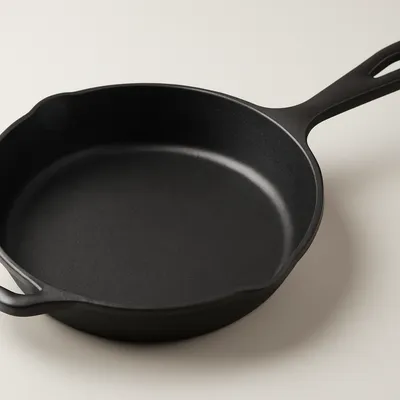
Melt butter in a skillet or on a griddle over medium heat.
- 56 min
Griddle the soaked slices until deep golden, about two to three minutes per side, until the centers are set.
Watch outGriddle over medium until deep golden and the centers are set — too hot and the surface browns before the custard inside coagulates.
- 61 min
Serve hot, dusted with powdered sugar and drizzled with maple syrup.
Archive tool suggestions — not reviewed
These legacy suggestions have not been evidence-reviewed and are not presented as required tools.