
A Pennsylvania Dutch fair and festival treat made by streaming a thin pourable batter of flour, eggs, milk, sugar, and baking powder through a funnel into hot oil, moving in overlapping spirals so the strands fuse into a lacy, irregular disk. Fried until golden on both sides, it is lifted out, drained, and buried under powdered sugar; some stands also top it with cinnamon sugar, fruit, or chocolate. It is eaten hot and crisp at the edges, soft within, torn apart by hand rather than sliced.




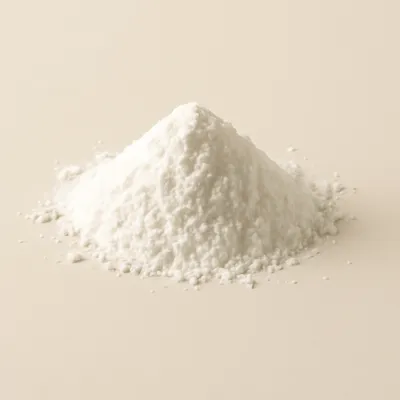

Funnel cake descends from a European tradition of frying batter poured through a perforated vessel or funnel, a technique with deep medieval roots reaching back through Persian and Arab zalabiyeh-style fritters. Pennsylvania Dutch settlers — German immigrants to Pennsylvania in the 17th and 18th centuries — brought a yeast-risen version they called drechderkuche (a Pennsylvania-German rendering of trichter, 'funnel'). The English term 'funnel cake' is recorded as a translation of drechd'rkucha in A. R. Horne's Pennsylvania German Manual, published in Allentown, Pennsylvania in 1875; sources commonly date the shift to a quicker baking-powder batter to around 1879. The dish was long tied to Pennsylvania Dutch country before becoming a fixture of American state fairs and amusement parks in the 20th century.
Hot from the oil, the lacy lattice shatters at the thin outer strands and stays tender and slightly doughy where the batter pooled thick. The surface is deep gold and faintly crisp; the powdered sugar melts where it touches the hot, oil-sheened crust and stays dry and snowy elsewhere. The flavor is plain fried batter — mildly sweet, eggy, clean — a deliberate blank canvas for the sugar, and best eaten within minutes before it goes limp.
Baking powder is the leavening: in the hot oil it releases carbon dioxide, puffing the strands and keeping the interior light rather than dense. The batter must be thin enough to flow in a steady stream yet hold its line on the surface; it is fried at about 370-375°F (188-190°C), the range where the exterior dehydrates and browns by the Maillard reaction in roughly 1.5 minutes per side while the inside cooks through before it can absorb much oil. Oil cooler than this soaks in and turns the cake greasy; hotter scorches the lattice before the center sets. The wide, open spiral maximizes surface area, which is why funnel cake fries crisp where a solid pancake of the same batter would not.
Variations
The classic finish is powdered sugar alone, but fairground stands pile on cinnamon sugar, strawberries with whipped cream, apple topping, or chocolate and caramel drizzle. Savory and novelty versions appear at festivals — bacon, or batter spiked with funnel-cake-flavored mixes. Close relatives in other cultures share the poured-batter method: Indian and Pakistani jalebi and South Asian/Middle Eastern zalabiya use a fermented or syrup-soaked batter piped into coils, and the German Strauben is a closely related spiral fritter from the same European lineage.
On the Palate
Where Funnel Cake sits in the American flavor cloud
Ingredients
Serves 4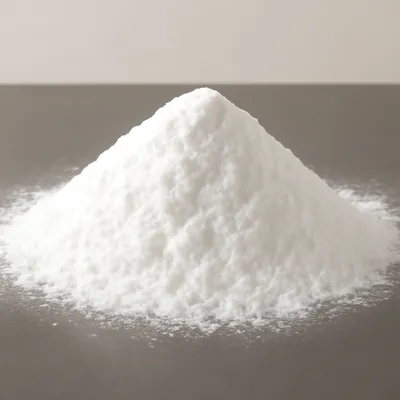
How it's made
7 steps · 15 min
- 13 min
Whisk the eggs, milk, and sugar together until smooth.
- 24 min
Sift the flour, baking powder, and salt over the wet ingredients and whisk to a thin, lump-free, pourable batter.
Watch outWhisk to a thin, pourable batter — it must flow in a steady stream yet hold its line; too thick and it clumps instead of running lacy.
- 36 min
Heat about an inch of neutral oil in a wide pot or deep skillet to 375°F (190°C).
Watch outHold the oil at 190C — cooler and the cake soaks up oil and turns greasy, hotter and the lattice scorches before the center sets.
- 42 min
Cover the bottom of a funnel with a finger, fill it with batter, then release over the oil and pour in overlapping spirals to form a connected lacy disk.
- 53 min
Fry until the underside is golden, about 1 to 1.5 minutes, then flip carefully and fry the second side until golden.
Watch outPour in overlapping spirals so the strands connect — gaps that don't touch fry into loose bits instead of one lacy disk.
- 61 min
Lift out with a slotted spatula and drain on paper towels or a rack.
- 71 min
Dust generously with powdered sugar and serve immediately while hot and crisp.
Archive tool suggestions — not reviewed
These legacy suggestions have not been evidence-reviewed and are not presented as required tools.



