
Black tea brewed strong and sweetened heavily with sugar while still hot, then cooled and served over ice. It is the everyday table drink of the American South, often called the "house wine of the South," poured by the pitcher and kept cold all day. The defining trait is that the sugar goes in hot, dissolving fully into the brew rather than settling at the bottom of a cold glass.
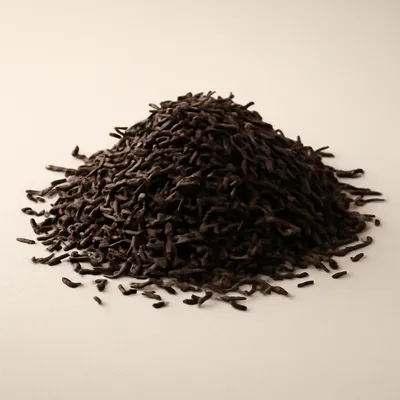




The oldest known printed recipe for a sweetened iced tea appears in Marion Cabell Tyree's 1879 cookbook Housekeeping in Old Virginia, though it called for green tea with sugar and lemon. A heavily sweetened, iced drink was once a marker of means, since both sugar and ice were costly in the 19th-century South. The shift to black tea, which defines today's version, came in the early 1900s. The widely used epithet "house wine of the South" has no single documented coiner.
Cold, brisk, and very sweet, with the tannic grip of strong black tea pulling against the sugar so it reads refreshing rather than syrupy. Served in a tall glass packed with ice that mutes the tannin as it melts and dilutes; a lemon wedge or sprig of mint is common. The first sip is sweetest, mellowing as the ice waters it down over a long afternoon. It is meant to be drunk in quantity, not sipped.
Sugar dissolves far more readily in hot water than cold, so adding it to the hot brew lets it fully dissolve and stay in solution as the tea cools — a cold-mixed drink would leave undissolved sugar at the bottom. Brewing strong and hot extracts both caffeine and tannins quickly; the tannins give the astringent backbone, but steeping too long or too hot over-extracts them into bitterness, so brewing is kept brief and the tea is often cut with cold water after. Pouring over ice chills it fast and dilutes the strong brew to drinking strength.
Variations
Sweetness varies by household and region, from lightly sweet to nearly saturated; lemon and mint are the usual additions. "Half-and-half" or an Arnold Palmer blends sweet tea with lemonade. Restaurants commonly offer both sweet and unsweet tea, the latter sweetened to taste at the table — though the South is known for unsweet tea being the exception. Some cooks make a simple syrup separately to sweeten by the glass, and orange-spiced or "Russian" sweet teas add citrus and spice.
On the Palate
Where Sweet Tea sits in the American flavor cloud
Ingredients
Serves 8How it's made
6 steps · 15 min
- 15 min
Bring water to a near boil and remove from the heat.
- 25 min
Add black tea bags and steep about 5 minutes, no longer, to avoid bitterness.
Watch outPull the bags at five minutes, no longer — steep past that and the tannins over-extract and the whole pitcher turns bitter and drying.
- 33 min
Remove the tea bags and stir sugar into the hot brew until fully dissolved.
Watch outStir the sugar into the tea while it's still hot until it fully dissolves — sugar won't dissolve once the tea cools and you'll get a sweet slick at the bottom.
- 42 min
Pour the sweetened concentrate into a pitcher and top up with cold water.
- 5120 min
Refrigerate until cold, about 2 hours.
- 63 min
Serve in tall glasses packed with ice, with lemon or mint if desired.
Archive tool suggestions — not reviewed
These legacy suggestions have not been evidence-reviewed and are not presented as required tools.



