
Oatmeal raisin cookies are chewy, spiced drop cookies built on rolled oats and studded with plump raisins. The oats give a hearty, rustic chew and a toasty flavor, while cinnamon warms the dough and brown sugar deepens it. The raisins go soft and sweet in the baking, dotting the cookie with little bursts of fruit. Heartier and homier than a smooth sugar or chocolate-chip cookie, they have long carried a faint reputation as the 'wholesome' cookie thanks to the oats.





The oatmeal cookie grew out of the Scottish and British tradition of oatcakes, carried to America, where rolled oats became a cheap, plentiful pantry grain. An early sweet oatmeal cookie recipe appears in Fannie Farmer's 1896 Boston Cooking-School Cook Book, where such cookies were promoted as a health food. The cookie became a household staple after the Quaker Oats company began printing a recipe on its canister in the early 1900s, putting the formula in front of millions of home cooks. Raisins were a natural and well-documented addition, encouraged in part by California raisin growers who printed oatmeal-raisin recipes in their own cookbooks in the 1910s. The cookie has no single inventor; it is a product of cereal- and fruit-company marketing layered on an old grain tradition.
The first thing you feel is chew — a substantial, slightly springy bite from the oats, with crisper, lacier edges and a soft middle. Cinnamon and brown sugar give a warm, caramel-toffee flavor, and the oats add a nutty, toasted, almost grainy note. The raisins are chewy and sweet, releasing pockets of concentrated fruit, and a touch of salt keeps the whole thing from going flat. It eats like a heartier, more textured cookie than its smooth-doughed cousins.
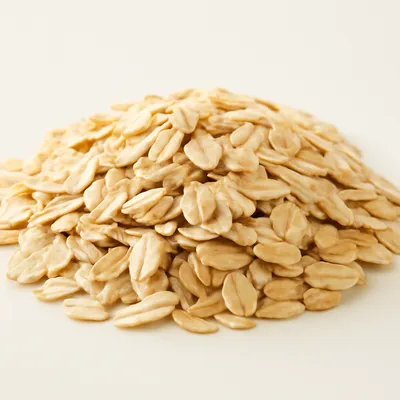
Rolled oats are the structural twist: they absorb moisture and add bulk and bran, giving the cookie its chew and rustic, broken texture rather than a smooth crumb. Brown sugar, rich in hygroscopic molasses, holds water and keeps the cookie chewy, while also driving the browning and caramel notes. Because the dough has plenty of fat and only moderate flour, it spreads into thin, chewy-edged rounds; chilling the dough or adding an extra oat or two reins in the spread for a thicker cookie. Toasting builds flavor in the oats through the Maillard reaction, and the raisins, plump and sweet, draw a little moisture from the dough as they soften, so soaking them first keeps the crumb from drying.
Variations
The classic divide is chewy versus crisp, tuned by the sugar ratio and bake time. Raisins can be swapped for or joined by dried cranberries, chopped dates, or chocolate chips, and walnuts or pecans add crunch. Spices range from cinnamon alone to a fuller mix with nutmeg, clove, or ginger. Old-fashioned rolled oats give the most texture, while quick oats make a finer crumb; some bakers soak the raisins in warm water or rum to plump them, and a sprinkle of flaky salt balances the sweetness.
On the Palate
Where Oatmeal Raisin Cookies sits in the American flavor cloud
Ingredients
Serves 24

How it's made
8 steps · 20 min active + 15 min waiting
- 15 min
Heat the oven to a moderate temperature and line baking sheets with parchment.
- 26 min
Soak the raisins briefly in warm water, then drain them well.
- 35 min
Cream the butter with the brown sugar until light and fluffy.
- 42 min
Beat in the egg and vanilla until smooth.
- 54 min
Stir in the flour, baking soda, cinnamon, and salt, then fold in the oats and drained raisins.
Watch outFold in the oats and raisins just until combined — the batter is loose and fat-rich, so overmixing works the gluten and the cookies bake up tough instead of chewy.
- 65 min
Drop rounded spoonfuls of dough onto the sheets, leaving room to spread.
- 711 min
Bake until the edges are golden and set but the centers still look soft.
Watch outPull them when the edges are golden and set but the centers still look soft and underdone — they finish firming on the hot sheet; bake till the middle looks done and they turn dry and crumbly.
- 85 min
Cool on the sheet a few minutes, then move to a rack to finish.
Archive tool suggestions — not reviewed
These legacy suggestions have not been evidence-reviewed and are not presented as required tools.


