
A deeply dark, moist, tender chocolate layer cake, richer and softer than a plain chocolate cake and traditionally tinted reddish-brown by the reaction of cocoa with baking soda. It is usually built as two or three layers and frosted with chocolate buttercream or a glossy ganache-style icing. The name plays on 'angel food cake': where that cake is pale and airy, this one is dark, dense, and indulgent. It is a cornerstone of the American chocolate-cake tradition.

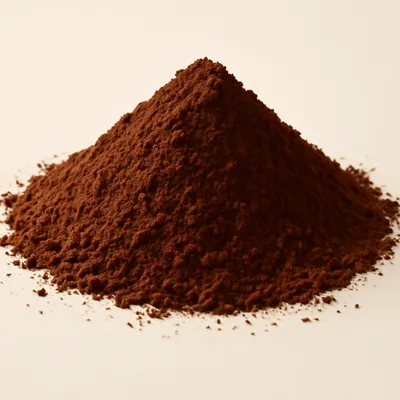




Devil's food cake appears in American cookbooks in the early 20th century; one frequently cited early printed recipe is in Mrs. Rorer's New Cook Book (1902). The name is generally read as a humorous opposite to the pale angel food cake, the 'devilishly' rich and dark counterpart. Its characteristic reddish tint comes from a real chemistry — alkaline baking soda reacting with the natural pigments in cocoa — which also links it historically to red velvet cake. The precise origin and first use of the name are not firmly settled, so they are best treated as approximate.
The crumb is soft, moist, and almost fudgy, fine and tender rather than crumbly, with a deep, dark cocoa flavour that leans bittersweet rather than milky. It is less sweet and more chocolatey than many layer cakes, and the moisture keeps it from drying on the tongue. Paired with chocolate buttercream the whole slice reads intensely chocolate; against a tangier frosting the cocoa's slight bitterness comes forward. A good devil's food melts rather than crumbs.
Several things make the crumb dark and tender. Baking soda is used as the main leavener; being alkaline, it both neutralizes the cocoa's acidity (which limits gluten and tenderizes) and shifts the cocoa's pigments toward red-brown, deepening colour. Many recipes pour boiling water or hot coffee over the cocoa, which 'blooms' it — dispersing its fat and intensifying flavour — and adds liquid for a moist crumb. Oil or a high butter-and-sugar ratio further keeps it soft, and beaten eggs plus the carbon dioxide from the soda give the rise. The result is a cake engineered for moisture and dark colour rather than height.
Variations
Frostings range from American chocolate buttercream to a boiled 'seven-minute' icing to a poured ganache; a white fluffy frosting makes a striking dark-and-light contrast. Adding red food colouring and using less cocoa shades it toward red velvet, its close cousin. Some recipes use melted chocolate as well as cocoa, or brewed coffee to deepen the flavour without tasting of coffee. The same batter is baked as cupcakes, sheet cakes, and bundts.
On the Palate
Where Devil's Food Cake sits in the American flavor cloud
Ingredients
Serves 12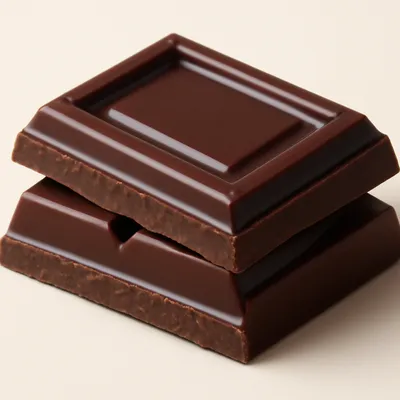
How it's made
8 steps · 40 min active + 50 min waiting
- 110 min
Heat the oven to 175°C and line two or three round cake pans.
- 26 min
Whisk cocoa powder with boiling water (or hot coffee) until smooth, and let it cool slightly.
Watch outWhisk the cocoa with the boiling liquid until smooth — this 'blooms' it, dispersing the fat and deepening both flavor and the dark red-brown color.
- 33 min
Whisk together flour, baking soda, and salt.
- 48 min
Beat butter and sugar until light, then beat in the eggs one at a time and the vanilla.
- 56 min
Add the dry mix and the cocoa liquid alternately, mixing just until smooth.
Watch outMix the batter just until smooth and stop — overmixing after the flour goes in builds gluten and toughens the tender crumb.
- 628 min
Divide between the pans and bake 25–30 minutes, until a skewer comes out clean.
Watch outPull them when a skewer comes out clean — a wet skewer means underbaked, but leaving them longer dries this moisture-engineered crumb out.
- 720 min
Cool 10 minutes in the pans, then turn out onto a rack to cool completely.
- 815 min
Make chocolate buttercream or ganache and frost between the layers, then the top and sides.
Archive tool suggestions — not reviewed
These legacy suggestions have not been evidence-reviewed and are not presented as required tools.


