
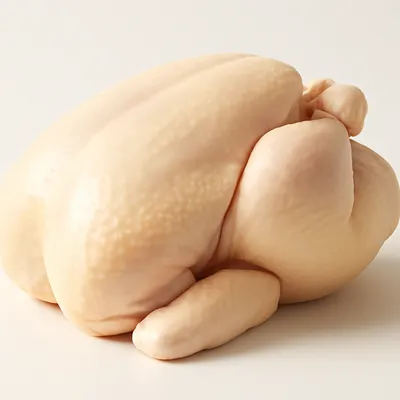
A pot of chicken stewed in its own broth with dumplings cooked directly in the liquid, in two regional forms: flat "slick" dumplings, strips of rolled dough that simmer into silky, tender ribbons, or fluffy drop dumplings, biscuit-like spoonfuls of soft dough. The broth thickens as the dumplings release starch, turning the dish gravy-like. A cornerstone of Appalachian and Southern comfort cooking, it is humble, filling, and built entirely from a whole chicken and a little flour.




Chicken and dumplings has been a staple of the Appalachian and Southern table for generations, brought and adapted by early settlers from England, Scotland, and Ireland who carried traditions of stewed meat with dumplings; dumpling-like dough cooked in broth dates back centuries in Europe. The dish has no single inventor or founding date. The flat "slick" rolled dumpling and the fluffy drop dumpling emerged in the United States as the two dominant styles, broadly tracking a Southern preference for rolled slicks and a Northern leaning toward drop dumplings.
Rich, soft, and almost entirely soothing — there is nothing crisp anywhere in the bowl. Slick dumplings are tender and faintly chewy, slipping apart in a broth thickened to a loose gravy; drop dumplings are pillowy and bready, soaking up the liquid like little sponges. The chicken is fall-apart soft, the broth deeply savory from long simmering of the bones. Salt and black pepper carry the seasoning; some cooks add enough that the broth tastes peppery. It is warm, heavy, and quietly comforting.
The dish is two techniques in one pot. First a whole chicken is simmered low until the collagen in the bones and joints renders into gelatin, giving the broth body and a silky mouthfeel; the meat is pulled and returned. The dumplings are then cooked directly in that broth: as the flour-and-fat dough heats, its starch gelatinizes and leaches into the liquid, thickening it toward gravy. Slick dumplings, rolled thin with little or no leavening, stay dense and tender; drop dumplings carry baking powder, whose carbon-dioxide gas puffs them as they steam-poach in the simmering broth.
Variations
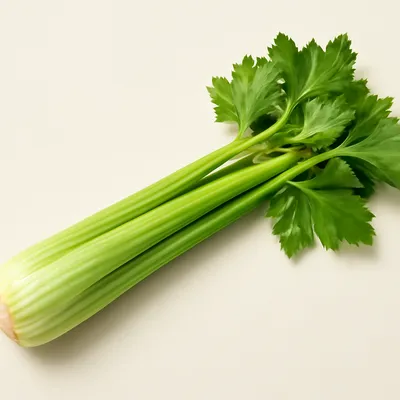
The defining regional fork is slick versus drop: thin rolled strips, considered the older Appalachian and Deep South style, simmered until they nearly melt into the gravy, versus fluffy biscuit-dough spoonfuls steamed on top. Some cooks enrich the broth with cream or milk for a whiter, thicker result; others keep it clear and peppery. Vegetables vary by household — many add carrot, celery, and onion, while purist slick-dumpling versions keep to chicken, broth, and dough alone.
On the Palate
Where Chicken and Dumplings sits in the American flavor cloud
Ingredients
Serves 6
How it's made
6 steps · 30 min
- 160 min
Simmer a whole chicken in salted water with onion, celery, and a bay leaf until the meat is tender and the broth is rich, about 1 hour.
Watch outSimmer the whole chicken low until the meat is tender and the broth turns rich — that gelatin from the bones gives the body a boil can't.
- 215 min
Lift out the chicken; when cool enough, pull the meat from the bones and return it to the pot, discarding skin and bones.
- 315 min
For slick dumplings, mix flour, a little fat, and broth into a stiff dough, roll it thin, and cut into strips.
- 45 min
Bring the broth to a gentle boil and drop in the dumplings a few at a time so they do not stick together.
Watch outDrop the dumplings in a few at a time into a gentle boil so they don't clump — a crowded, hard boil glues them into a doughy mass.
- 515 min
Simmer the dumplings 12 to 15 minutes until tender and the broth has thickened, stirring gently.
Watch outSimmer until the dumplings are tender and their released starch thickens the broth toward gravy — stir gently so they don't stick and break.
- 65 min
Season generously with salt and black pepper and serve hot in bowls.
Archive tool suggestions — not reviewed
These legacy suggestions have not been evidence-reviewed and are not presented as required tools.



