
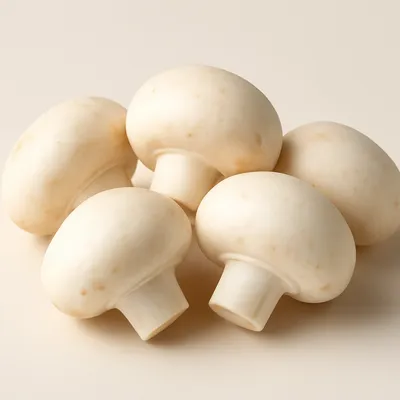
A South Bohemian sour-cream soup — diced potato and fresh wild mushrooms in a tangy broth thickened with sour cream and lifted by an enormous amount of fresh dill and a splash of vinegar. Each bowl carries a soft-poached egg, broken at the table so the yolk runs into the soup. Unique to the Czech repertoire; nothing in Central European cooking quite tastes like it.




From the South Bohemian region around Český Krumlov and České Budějovice — fish-pond country, pre-industrial peasant kitchens that made the most of dairy and foraged mushrooms. The origin of the name is genuinely disputed: theories trace it to a regional dialect verb for thickening a dish, to the folk-etymology corruption of a South Bohemian cook's name, or to the German word for cabbage (the earliest versions used soured cabbage rather than dill). Traditionally a Lent dish (Catholic fasting permits dairy and egg but not meat), kulajda is now eaten year-round but especially at Christmas Eve as the meatless first course of the štědrovečerní večeře dinner. The combination of sour cream + dill + vinegar + egg is the Czech signature; no other Central European soup has all four.
The first spoonful is unfamiliar — tart, milky, mushroom-deep, with a green forest-floor lift from the dill that you only get when the herb is fresh and used in handfuls. Then you break the yolk and everything shifts: the soup gets richer, glossier, and the soft egg white delivers a different texture per spoon. A piece of potato gives soft, a piece of mushroom gives chewy, the dill is everywhere. The vinegar isn't loud — you feel it as brightness rather than sour. There is no other soup in Central Europe that tastes like this.
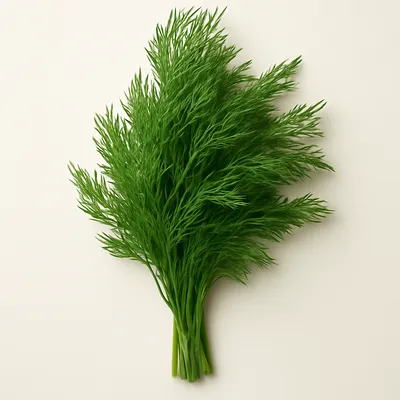
Sour cream must be tempered into hot soup gradually, not dumped — the milk proteins coagulate above ~80°C and curdle if shocked. Whisking flour into the cold sour cream first creates a paste that suspends the proteins and slows their coagulation, allowing them to dissolve smoothly into the broth. Vinegar added after the dairy is set helps the soup taste tart without causing further curdling. Fresh dill is added off-heat because its volatile carvone (the smell of dill) boils off above 60°C. The poached egg is the only Czech soup that gets one — the soft yolk is a built-in enrichment that thickens each spoonful.
Variations
Christmas Eve version omits the mushrooms (Lenten asceticism) and uses dried mushroom liquid instead. Some Šumava households add a small handful of dried porcini for depth. A modern Prague restaurant variant tops the soup with crispy fried potato strings and a dollop of horseradish cream. Rural cooks sometimes add finely-diced smoked bacon at the start; purists object — kulajda should be meat-free.
On the Palate
Where Kulajda sits in the Czech flavor cloud
Temper the sour cream, don't dump it. Whisk flour into the cold cream first, then stir in a ladle of hot soup before it goes back to the pot — that paste keeps the milk proteins from shocking into curds above 80°C. And save the dill for off the heat, or its aroma boils away.
Ingredients
Serves 4






How it's made
8 steps · 30 min active + 20 min waiting
- 110 min
Dice 500 g waxy potatoes into 1.5 cm cubes. Slice 250 g fresh button or wild mushrooms.
- 29 min
In a heavy pot heat 2 tbsp butter over medium. Add the mushrooms with a pinch of salt; cook 8 minutes until they've released and re-absorbed their water and started to brown.
Watch outCook the mushrooms until they release their water, reabsorb it, and just start to brown — that's when their flavor concentrates.
- 317 min
Add the diced potato, 1 tsp caraway seeds, 1 bay leaf, and 1 L hot water. Bring to a boil. Reduce heat and simmer 15 minutes until potato is tender.
- 44 min
In a separate bowl, whisk 250 ml sour cream with 2 tbsp flour until smooth. Ladle 1/2 cup of hot soup into the bowl, whisking, to temper. Then pour the tempered mixture into the pot, stirring constantly.
Watch outTemper slowly — the cream mixture should stream in smooth with no lumps or grainy flecks appearing.
- 54 min
Simmer 3 more minutes — the soup will thicken slightly. Add 1.5 tbsp white vinegar and 1 tsp sugar to balance the tartness. Adjust salt.
- 62 min
Chop a large handful of fresh dill (about 1/3 cup, packed) — the full amount is essential, not garnish.
- 74 min
Poach 4 eggs gently in barely-simmering water with a splash of vinegar (3-4 minutes for soft yolk).
Watch outKeep the poaching water at a bare shiver, not a boil, so the whites set soft around a runny yolk.
- 82 min
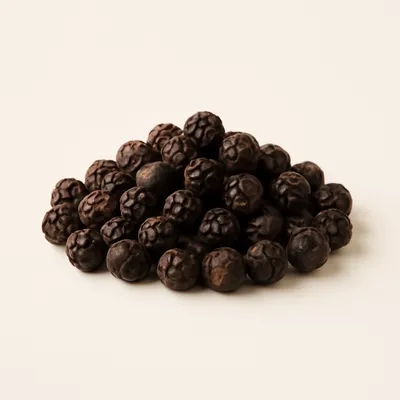
Stir half the dill into the pot. Ladle soup into bowls, slide one poached egg into each, scatter remaining dill and a grind of black pepper on top. Serve immediately.


