
The Czech winter soup canon — diced potato, dried porcini, root vegetables, and caraway in a light roux-thickened broth, finished with marjoram and garlic at the very end. Hearty and aromatic; eaten with a slice of dense rye bread or as the opening course of a Sunday lunch. The dried-mushroom soaking liquid is the secret backbone, never thrown away.



A peasant kitchen staple across all of Bohemia and into Moravia — every region's grandmother makes a slightly different bramboračka, but the recipe is structurally the same: potato + dried mushroom + root vegetables + roux + caraway + marjoram. The dried porcini in particular reflects the Czech foraging tradition; mushroom-hunting in Bohemian forests in August-September is so deeply cultural that schools traditionally let children out on the first frost-warning day to pick. Each family dries its own.
Spoon goes in and you get caraway and marjoram at the same time — they're the smell of every Czech kitchen at lunchtime. The broth is thick enough to coat the spoon without being gluey. A piece of porcini gives that deep umami earthiness; a cube of potato breaks softly under the tongue; the celeriac and parsley root add a faint anise sweetness in the background. Fresh garlic at the end is a small sharp note. Tear off a piece of rye, dip, eat.
Dried mushrooms have ~10× the glutamate of fresh — drying concentrates the umami amino acids, and the rehydration water carries them into the broth. The roux (světlá jíška, light roux) is added near the end rather than at the start because dark Czech sauces use a darker roux while bramboračka wants a soup, not a gravy. The marjoram-garlic finish is structural: both contain volatile aromatic compounds (sabinene, allicin) that boil off if added early. Adding them off-heat preserves the lift.
Variations
South Bohemian version adds a glug of sour cream at the end for richness. Šumava (Bohemian Forest) variant uses pearl barley alongside the potato. Mushroom-heavy versions ('houbová polévka', mushroom soup proper) use 60-80 g dried porcini and become a meal in themselves. Some Czechs add a finely-grated potato (or a half-cup of pre-cooked starchy potato) at the end to thicken instead of roux — a gluten-free move that's quietly common in modern kitchens.
On the Palate
Where Bramboračka sits in the Czech flavor cloud
Ingredients
Serves 4







How it's made
8 steps · 25 min active + 50 min waiting
- 132 min
Soak 30 g dried porcini in 250 ml hot water for 30 minutes. Save the soaking liquid — it's the soup's backbone.
Watch outSave every drop of the soaking water — that dark liquid holds most of the mushroom flavor; just pour it in slowly at the end so the grit stays behind.
- 28 min
Dice 500 g potatoes (1.5 cm cubes), 1 carrot, 1/4 celeriac, 1 small parsley root. Mince 4 garlic cloves. Dice 1 onion small.
- 39 min
In a heavy pot melt 3 tbsp butter over medium. Sauté the onion 5 minutes until translucent. Add carrot, celeriac, parsley root; cook 4 more minutes.
- 43 min
Add the diced potato, the soaked mushrooms (chopped), the soaking liquid (poured slowly to leave grit behind), and 1 L hot water. Add 1 tsp caraway seeds, 1 bay leaf, and 1 tsp salt.
- 522 min
Bring to a boil, reduce to simmer, cook 20 minutes uncovered until potato is tender but not falling apart.
- 64 min
Make a light roux in a small pan: melt 2 tbsp butter, whisk in 2 tbsp flour, cook 2 minutes until pale gold (don't darken — this is světlá jíška).
Watch outWhisk the roux only to a pale straw gold and pull it off — let it brown and the soup turns into gravy and tastes toasty instead of fresh.
- 74 min
Ladle 1/2 cup of the hot soup into the roux, whisking until smooth. Pour the mixture back into the pot, stir to thicken. Simmer 3 more minutes.
Watch outLadle a little hot soup into the roux first and whisk smooth before it goes back — pour cold roux straight into the pot and you'll fight lumps.
- 82 min
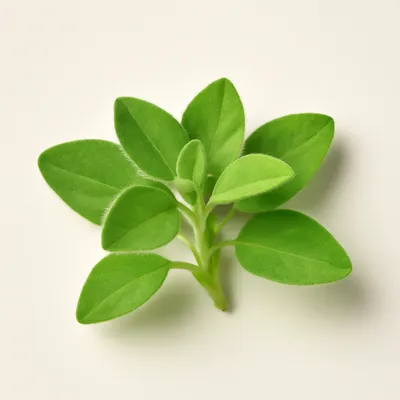
Off heat, stir in 1 tsp dried marjoram and the minced garlic. Adjust salt. Black pepper to finish. Serve with dense rye bread.
Watch outAdd the marjoram and raw garlic only after the pot's off the heat — their aroma cooks straight off if it's still boiling.


