
Football-shaped potato dumplings made of grated raw potato and cooked potato dough wrapped around a seasoned pork filling, gently simmered in salted water for 30 minutes, served with sour cream and a deep gold pour of bacon-and-onion-rendered fat. Lithuania's flag-bearer dish; the diaspora cooks teach their children to make it first.





Originally called didžkukuliai ('large dumplings'), they were later renamed cepelinai after their resemblance to WWI-era German Zeppelin airships — the Lithuanian word 'cepelinas' borrows the name of airship pioneer Count Ferdinand von Zeppelin. Though revered as Lithuania's national dish, cepelinai are widely thought not to be native: the technique likely arrived with migrants from Germany's Lower Saxony and Prussia, the first written recipes appear only in the 1930s between the wars, and the dish became popular nationwide only after WWII. It began as hearty peasant fuel for cold-weather laborers. Vilnius restaurants serve cepelinai as the must-order dish for tourists; rural and diasporic communities make them for holiday gatherings. Every Lithuanian grandmother insists hers are the only correct cepelinai.
Knife slices a football revealing a juicy pork-filled center cushioned in a translucent gray-purple potato exterior. The potato has a unique chewy-springy texture that's neither dumpling nor pasta — it comes from the raw-potato starch. Bacon-onion-rendered-fat pools at the bottom; each fork must drag the dumpling through it. Cool sour cream cuts the richness. Dense, filling, deeply Lithuanian.
Raw potato starch is the cepelinai secret: pressing out the water but RETAINING the settled starch is non-negotiable — the starch is what binds the dough, and without it cepelinai disintegrate. Potato starch is roughly 80% amylopectin, gelatinizes at a low ~58-66°C, and it is this highly-branched amylopectin swelling and entangling that gives the cooked dough its distinctive translucent-elastic texture (despite the common claim, it is NOT due to high amylose — amylose actually sets into an opaque firm gel on cooling). The 80-85°C simmer (never boiling) prevents the protein-poor, gluten-free potato dough from rupturing. The shape concentrates filling in the center while keeping the potato wall thin enough to cook through.
Variations
Curd-cheese filled cepelinai use sweetened farmer's cheese — the dessert variant. Mushroom-filled vegetarian version is the Vilnius restaurant option. Some Suvalkija region cooks add a touch of grated raw onion to the dough itself for extra flavor. Industrial frozen cepelinai exist but are unanimously inferior.
On the Palate
Where Cepelinai sits in the Lithuanian flavor cloud
Ingredients
Serves 6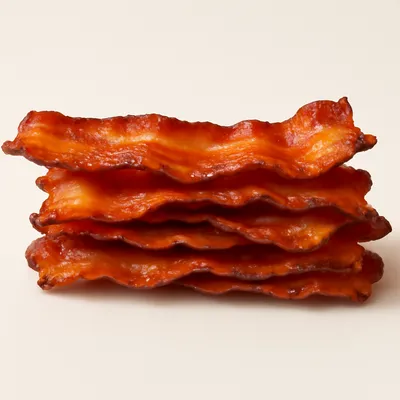


How it's made
10 steps · 1 hour 20 min active + 1 hour 10 min waiting
- 18 min
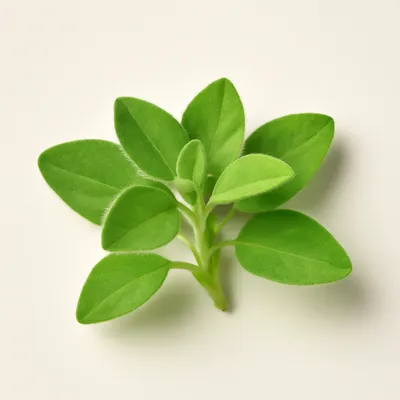
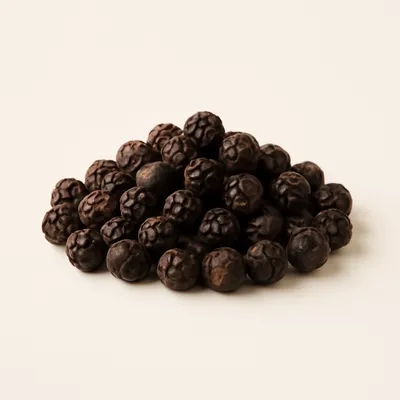
Filling: combine 500 g ground pork (15-20% fat) + 1 grated onion + 2 minced garlic + 1 tsp salt + ½ tsp pepper + 1 tsp marjoram + 1 egg + 2 tbsp ice water. Mix vigorously 3 min until sticky. Refrigerate.
- 227 min
Cooked-potato base: boil 500 g floury potatoes (peeled, quartered) 25 min until very tender. Mash until completely smooth (no lumps). Cool.
- 318 min
Raw-potato grate: peel 1.5 kg floury potatoes. Grate the finest side of a box grater (or use a food processor on fine), straight into a fine-mesh sieve set over a bowl. Press hard to expel as much water as possible — collect the starchy water in the bowl.
- 48 min
Let the water-bowl sit 5 min. The starch will settle to the bottom. Pour off the clear water carefully, KEEPING the gritty white starch at the bottom of the bowl.
Watch outAfter the liquid settles, the clear water pours off easily but the gritty white paste clings to the bowl — that's the starch to keep.
- 57 min
Combine the grated drained potato + the reserved starch + the cooled mashed potato + 1.5 tsp salt. Mix thoroughly with hands to form a sticky dough.
- 622 min
Shape: wet hands. Take a fist-sized portion of dough, flatten in your palm to 1.5 cm thick disk. Place a heaping tablespoon of meat filling in center. Wrap dough around filling completely, sealing seams firmly. Roll between palms into a 12-cm football shape. Make 8-10 total.
- 75 min
Heat 4 L water with 2 tbsp salt in a wide pot to gentle simmer (NEVER boil — boiling causes cepelinai to disintegrate).
- 832 min
Lower cepelinai in carefully one at a time. Cover, simmer at 80-85°C for 30 min — they should float to the surface within 5 min.
Watch outThe water should just shiver with tiny bubbles, never break into a boil; the dumplings float up within about 5 minutes.
- 914 min
Topping: while cepelinai cook, cube 200 g bacon, render in skillet 8 min until crisp. Add 1 large chopped onion; cook 6 min until golden in the bacon fat.
Watch outRender the bacon until crisp and the onion goes golden in its fat — that flavored fat is the sauce.
- 109 min
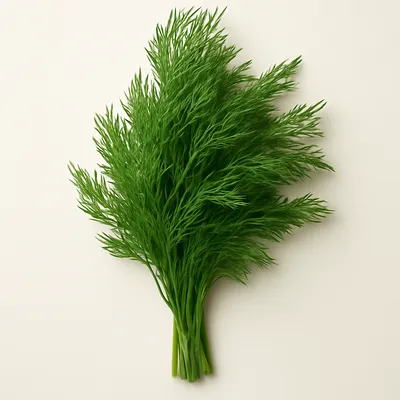
Lift cepelinai with a slotted spoon, drain briefly, plate 1-2 per person. Spoon bacon-onion-and-fat generously over top. Add a fat dollop of sour cream alongside. Sprinkle with chopped dill.


