
An Uzbek rice-and-meat porridge often called 'lazy plov' — short-grain rice simmered with lamb, carrot, and onion (the same base as plov), seasoned simply with cumin and coriander, but cooked with much more water and stirred so the grains break down into a soft, glossy porridge rather than staying separate. Quicker and more forgiving than plov, it is everyday comfort food, and its soft texture makes it gentle food for children and the unwell.


Shovla (also transliterated 'shavla') is one of the most everyday rice dishes of the Uzbek home — a soft, porridge-like cousin of plov, affectionately nicknamed 'lazy plov.' It shares plov's base — lamb rendered for fat, onions softened, carrots, then rice and water — but differs in two ways: it is cooked with much more liquid (so the grains break down into a porridge instead of staying separate), and it is stirred as it cooks until creamy, the opposite of plov, where the rice is left untouched after the first turn of the spoon. Because it skips plov's exacting control of heat and rice-to-water ratio, it is fast and forgiving — when fuel and money were scarce, a single pot could feed a household — and its softness makes it traditional comfort food for children and the unwell. Eaten across Uzbekistan, it is an especially common home dish in the Khorezm region near the Aral Sea.
Spoon shovla onto a plate: the rice is soft-glossy, almost pudding-like, glowing orange from carrot pigment and lamb fat. The cumin's earthiness comes through first; the lamb has fallen apart into the rice; carrot chunks stay visible. It is denser than plov, creamier than risotto — soft grains clinging together rather than standing apart. Eaten with Uzbek flatbread on the side, torn off to scoop and dip.
Shovla's creamy body comes from cooking the rice in far more water than plov and stirring it as it goes: the prolonged contact with abundant water lets the rice starches fully gelatinize and partly burst into a porridge, while stirring breaks the grains down and thickens the pot — the reverse of plov, where the rice is left untouched after a single turn, which is why one stays fluffy-separate and the other goes soft and mushy. The first two steps are critical: the lamb must be rendered for its fat and the onions caramelized to sweetness, building a base of flavor so that the plain cumin-and-salt seasoning is enough to carry the dish; skip them and the pot reads bland and watery.
Variations
Versions vary from household to household: some keep it austere with only cumin, coriander, and salt; some add a few tomatoes for a brightening sweet-sour note; in the Khorezm and Karakalpak regions near the Aral Sea it is often made with more lamb and less rice, for a richer, meatier pot. Short-grain rice, which breaks down readily into a creamy mass, suits the texture best. Some cooks reduce the liquid a little for a result closer to plov — somewhere between porridge and pilaf — making it an adaptable everyday dish.
On the Palate
Where Shovla sits in the Uzbek flavor cloud
Ingredients
Serves 6


How it's made
5 steps · 35 min active + 55 min waiting
- 111 min
Cut 500g lamb shoulder into 2cm cubes. Heat 4 tbsp vegetable oil (traditionally cottonseed oil) in a heavy pot or kazan over high heat. Brown the lamb cubes 8 min, stirring occasionally.
- 210 min
Add 2 sliced large onions; cook 6 min until golden. Stir in 4 cubed carrots (about 400g) and cook 4 min, letting carrots caramelize slightly.
Watch outCook the onions to golden and let the carrots caramelize slightly at the edges — this is the flavor base.
- 335 min
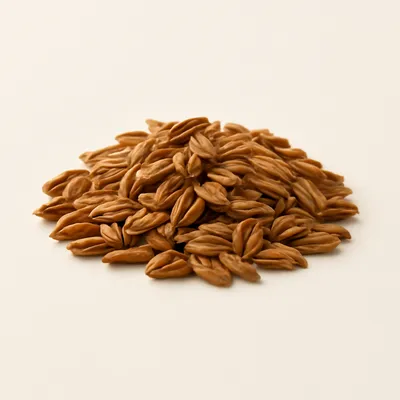
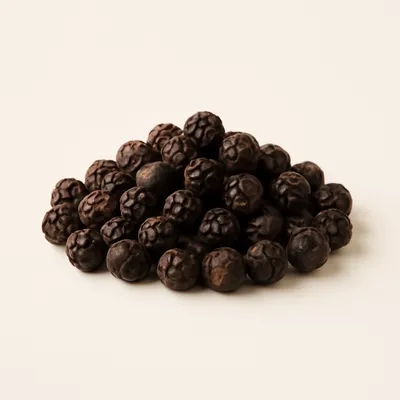
Pour in 1.5L water + 1 tbsp salt + 1 tbsp ground cumin + 1 tsp ground black pepper. Bring to boil; reduce to simmer and cook 30 min until lamb is tender.
- 45 min
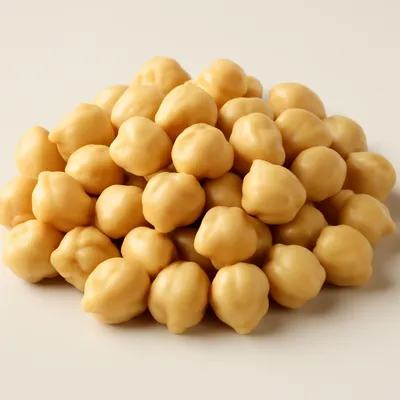
Rinse 400g short-grain rice (the Uzbek rice variety 'devzira' if available, otherwise short-grain like Calrose) until water runs clear. Add to the pot; stir once gently.
Watch outRinse the rice until the water runs clear, then stir it in just once so it settles evenly.
- 535 min
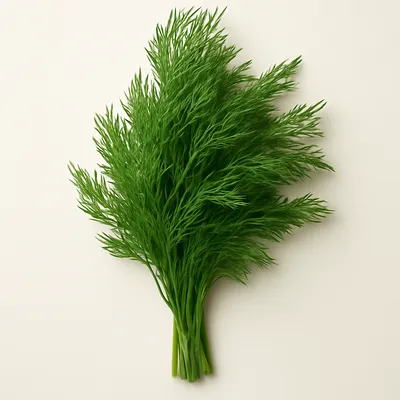
Cover and cook on lowest heat 25 min without stirring. Rest 10 min covered. The rice should have absorbed most of the liquid and broken down slightly into the meat-and-carrot mixture — like an Uzbek risotto. Stir gently before serving. Top with chopped fresh dill.
Watch outIt's ready when the rice has drunk most of the liquid and slumped into a soft, creamy porridge like a risotto; stir gently before serving.
Archive tool suggestions — not reviewed
These legacy suggestions have not been evidence-reviewed and are not presented as required tools.


