


Uzbek
Plov over open fire, lagman noodles, samsa from clay tandyrs — the Silk Road's table.
Wedding Plov
Rice steamed in lamb stock with carrots, onions, whole garlic heads, sometimes quail eggs. The wedding-day centerpiece.
View page →Uzbekistan is the Silk Road's table — the kitchen at the crossroads of Iran, China, India, and Russia. The defining dish is plov: long-grain rice cooked in a kazan (iron cauldron) with mutton, carrot, onion, cumin, and barberry, every region with its own recipe; the cook stirs it once with a wooden paddle, then doesn't touch it again. Lagman is the hand-pulled noodle soup brought from China and now indelibly Uzbek. Manti and chuchvara are the Turkic dumpling family. Shashlik (mutton skewers) grilled on charcoal. Samsa baked in a clay tandyr oven (descended from the Mesopotamian tannour). Lepyoshka, the round flatbread, is broken by hand and shared. The cuisine is generous, mutton-heavy, communal, and the meal traditionally ends with green tea and dried fruit — a long, slow, conversational table.
The Palate
Start Here
Long-grain rice steam-cooked over mutton, carrot, onion, garlic, cumin, and barberry in a giant kazan iron cauldron. Stirred once, then left alone for 90 minutes.
Why start here · Plov is Central Asia's national dish — every Uzbek wedding requires it. Master the single-stir technique and you've earned the Silk Road's most-honored dinner-party right.
Hand-pulled wheat noodles in a beef-and-tomato broth with peppers, onions, and the warm Uzbek spice blend. Slurp loudly — Lagman is meant to be eaten with passion.
Why start here · Lagman is the noodle that traveled from China and never went home. Every Central Asian country has its version; the Uzbek is the heartiest.
Mutton cubes marinated overnight in onion, vinegar, cumin, salt, then skewered and grilled over charcoal until crisp outside and juicy inside. Bread, raw onion, herbs on the side.
Why start here · Shashlik is the Silk Road's bar food — sit on a bench, drink chai, eat skewers, watch the smoke rise. Pure communal dinner ceremony.
The Pantry


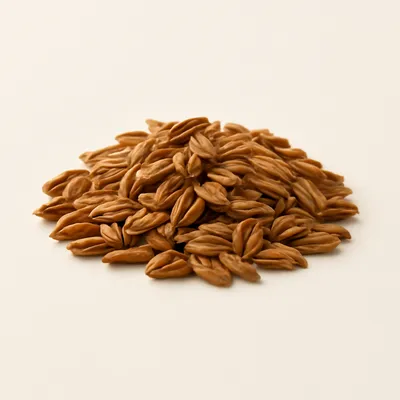
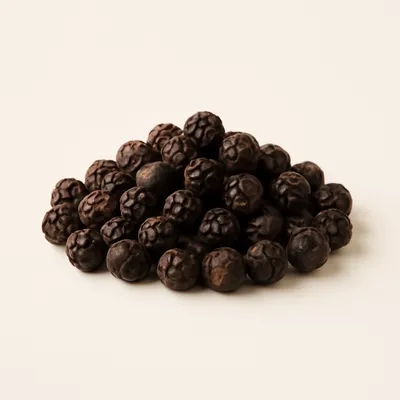

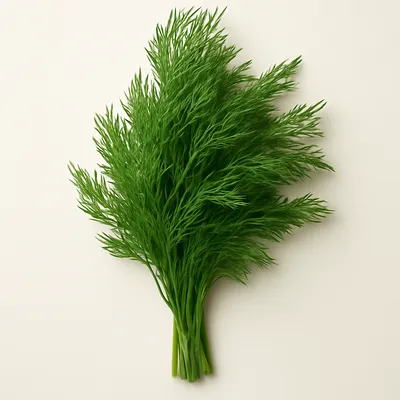


See all 70 ingredients›


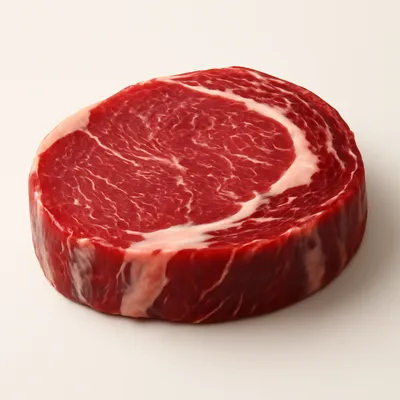










Grains & Staples





Dairy & Fats













Four Regions
Four Silk Road kitchens — Tashkent capital eclectic, Samarkand-Bukhara bread-and-plov heartland, agricultural Fergana, desert-edge Khorezm. Tap a region to see its table.
Silk Road bread and Persian-influenced plov — Bukharan plov with chickpeas, Samarkand non bread baked in tandyrs, sumalak Nowruz wheat porridge.
Capital eclectic — Tashkent plov, lagman noodles, shashlik skewers, the cosmopolitan modern-Uzbek meeting point of Silk-Road traditions.
Agricultural-rich east — Andijan plov, kovurma fried meat, dimlama steamed-vegetable stew, the Uzbek breadbasket and original-plov country.
Turkmen-Karakalpak-influenced west — shovla rice porridge, tukhum-barak egg dumplings, the desert-edge kitchen that diverged from Tashkent canon.
How They Cook
Techniques that define this cuisine
Kindred Kitchens
Cuisines built on the same signature ingredients


