




Tushbera is the Khorezm-Karakalpak name for the small dumpling that elsewhere goes by chuchvara (Tashkent), dushbara (Azeri), and tushbera/dushbara (Tajik) — all descended from the Persian joshpara ('boiled pieces'), the name carried across Turkic Central Asia and phonetically reshaped region to region. The Khorezm version is smaller (each dumpling about thumbnail-sized) than the Tashkent chuchvara, uses a clearer broth than the Russian-style pelmeni, and is served as a soup-and-dumpling combination rather than dumplings drained. The folding is the family-event ritual: women gather, gossip, and turn 2kg of dough and 1kg of meat into 500+ dumplings in a single afternoon. Found in every Khiva, Urgench, and Nukus household; rarely on tourist menus in Tashkent. (The folk gloss of the name as Uzbek for 'meat-stuffed' is unfounded — it is simply a sound-shift variant of joshpara/tushpara, unrelated to the word for meat.)
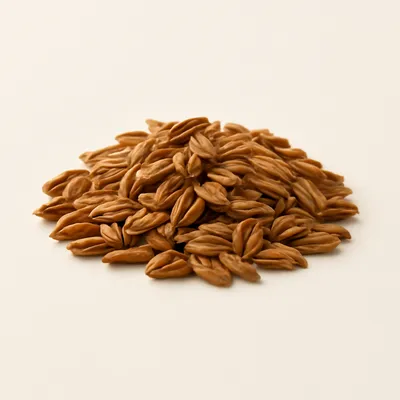
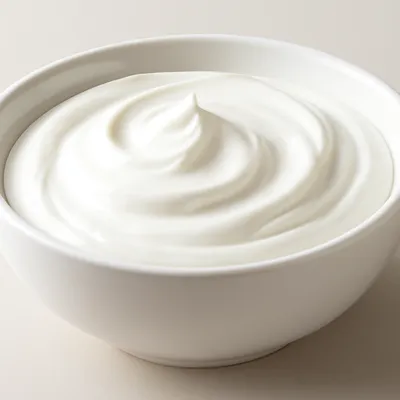
Spoon up a tushbera bowl: a dozen tiny lamb-stuffed dumplings float in clear amber broth, with green flecks of fresh dill. Pop one whole into your mouth — the thin dough bursts to release a juice-and-meat hit of cumin-lamb concentrate. The broth between dumplings is just-salted, clean, focusing the lamb flavor. Add a spoon of suzma to your bowl; the cool yogurt acid balances the richness. Drizzle chili oil for the Khorezm signature kick. A 2-hour assembly project that takes 6 minutes to eat.
The small size of tushbera dumplings (vs Tashkent chuchvara, which is twice the size) creates a higher dough-to-filling ratio that allows the broth to fully infuse each dumpling — Tashkent chuchvara's larger size keeps the broth out. The lamb filling's high fat content (~30% by weight) is critical: as the dumplings cook, lamb fat melts and forms tiny bubbles inside, which is the texture's signature.
Variations
Khiva original is the smallest (thumbnail-sized); Urgench version is slightly larger (fingernail-sized); Karakalpak version sometimes adds a pinch of dried mint to the filling; modern restaurant versions occasionally substitute beef for lamb (purists object).
On the Palate
Where Tushbera sits in the Uzbek flavor cloud
Ingredients
Serves 6



How it's made
5 steps · 1 hour 30 min active + 1 hour waiting
- 110 min
Make filling: in a bowl, combine 500g lamb (shoulder or leg) minced very fine with 2 finely-chopped onions, 1 tbsp ground cumin, 1 tsp salt, 1 tsp ground black pepper, 4 tbsp cold water. Knead 5 min until paste-like.
Watch outKnead the filling until it turns sticky and paste-like — that binding is what holds the juice.
- 245 min
Make dough: in a large bowl, combine 500g flour with 1 tsp salt and 1 large egg. Slowly add 250ml warm water, kneading 8 min until smooth and elastic. Cover and rest 30 min.
- 318 min
Divide dough into 8 portions. Roll each into a thin sheet (about 1.5mm). Cut into 4×4cm squares with a knife or pizza cutter.
- 460 min
Place 1/2 tsp filling in the center of each square. Fold corner-to-corner into a triangle, sealing edges. Then bring the two outer corners together behind the triangle and pinch — creates a small, dimpled cup. Repeat for all squares (should yield ~120 small dumplings).
- 517 min
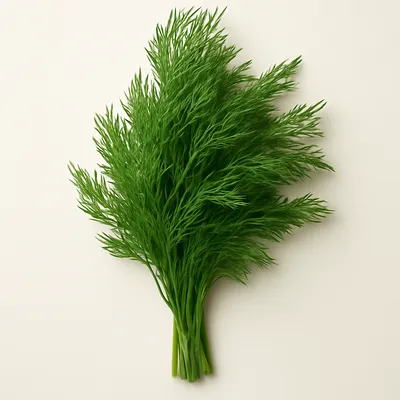
Bring 2.5L lamb broth or chicken stock + 4 bay leaves to a rolling boil. Drop in batches of dumplings (don't overcrowd); cook 6-8 min until they float to the surface and are tender. Ladle dumplings + broth into deep bowls; top with chopped fresh dill, suzma (Uzbek strained yogurt) and chili oil on the side. Eat with a wide spoon.
Watch outThey're done a minute or two after they bob to the surface; the wrapper turns slightly translucent.
Archive tool suggestions — not reviewed
These legacy suggestions have not been evidence-reviewed and are not presented as required tools.


