
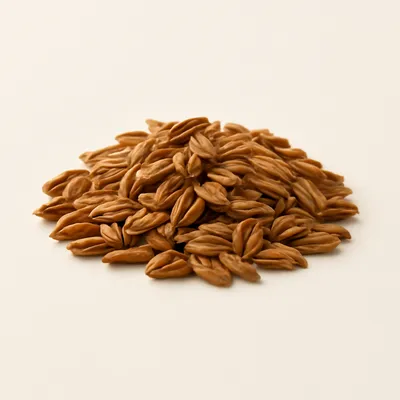
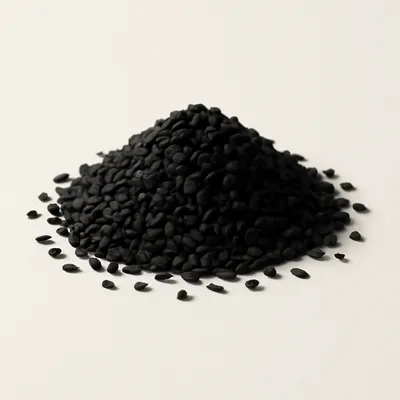
Layered laminated lepyoshka — flakier than standard non, made with rendered lamb fat between layers, cumin and nigella on top.


The festive counterpart to everyday obi non: where plain non has no fat, patir dough is enriched with rendered fat or butter (sometimes milk), then rolled and folded letter-style to build flaky layers and baked on the tandoor wall. The fat makes it richer and longer-keeping than daily non — patir stays soft 4-5 days without staling, traditional travel and guest bread. The Samarkand-Bukhara region has its own patir-non (denser, less laminated), while the Fergana Valley's Andijan patir is the most famous. Bukhara's Persian-speaking Jewish community made it a Sabbath bread; to keep kosher (no mixing meat and dairy) they use butter rather than lamb fat, yielding a dairy patir.
Bukharan Jewish baker Solomon Issakharov's family bakery near Lyab-i Hauz has produced patir continuously since 1898 by the same wood-fired tandoor; 80 loaves a day, 12,000 som each. The 4-day shelf life is the Sabbath functional requirement.
Lighter than standard non, distinct flaky pull-apart layers — almost croissant-like but unsweet. Cumin and nigella crackle in the mouth, the lamb-fat lamination gives a savory richness no plain bread has. Eaten with kaymak or with lamb shurpa.
Standard non dough rolled out, brushed with 50 g rendered lamb fat (or butter for kosher/dairy meals), folded letter-style 3 times with 15-min rests between. Final round shaped to 1.5 cm thick, stamped with chekich, baked on tandoor wall at 380°C for 6-8 minutes.
Variations
Bukharan classic (lamb-fat, cumin-nigella), Bukharan-Jewish dairy patir (butter, no fat), Samarkand patir-non (denser, less laminated), Khiva patir with sesame top, sweet patir-shirin with sugar crystals on top for Eid.
On the Palate
Where Patir sits in the Uzbek flavor cloud
Ingredients
Serves 8
How it's made
5 steps · 23 min active + 1 hour 33 min waiting
- 170 min
Make dough: 500 g flour + 7 g yeast + 250 ml warm water + 5 g salt + 30 g sugar; knead 10 min; rise 1 hr.
Watch outKnead until the dough turns smooth and springs back when poked; after the rise it should have doubled and feel airy.
- 215 min
Render 200 g lamb fat; cool slightly.
- 315 min
Roll dough thin; brush with melted lamb fat; fold and roll again 3 times for lamination.
Watch outBrush every layer with the melted fat before folding — the fat films between the sheets are what make it peel apart flaky, so miss none.
- 48 min
Shape into 20 cm round with thick rim; sprinkle cumin and nigella.
- 58 min
Slap onto tandoor wall; bake 6–8 min until golden and flaky.
Watch outPull it the moment the surface goes golden and the crust crackles — a few minutes over and it dries out hard.
Archive tool suggestions — not reviewed
These legacy suggestions have not been evidence-reviewed and are not presented as required tools.


