


Samarkand-Bukhara Uzbek
Silk Road bread + Persian-influenced plov — Bukharan plov, Samarkand non, sumalak.
Lepyoshka
Round flatbread baked on the tandoor wall, stamped with a chekich pattern in the center
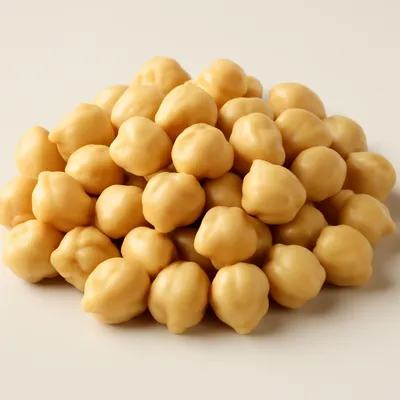
View page →Samarkand and Bukhara are Uzbekistan's twin Silk Road historical capitals — the cities that defined Central Asian cuisine in the centuries before Soviet rule. The kitchen reflects Persian-Tajik influence: the Bukharan plov is distinct from the Tashkent or Fergana plov, using more rice and chickpeas, less meat, and a longer slow simmer. Samarkand non (the round flatbread baked in tandyrs — tandoor-like clay ovens) is considered the best non in Uzbekistan; locals export it by suitcase to Tashkent and Moscow because it stays fresh for weeks. The cuisine also includes the elaborate sweets tradition: halva, chak-chak (fried dough in honey), and the Nowruz festival's sumalak (sprouted-wheat porridge).
Bukhara specifically had a large Jewish community for 2,000 years until the 20th century, whose Persian-Jewish cuisine influenced the local foodways — the Bukharan plov has Persian Jewish roots, and the city's sweets owe much to the medieval Jewish bakers. Today, Samarkand-Bukhara restaurants in Tashkent (and increasingly worldwide) are recognized as the most-traditional Uzbek cuisine — purist diners seek them out specifically.
Start Here
Bukharan plov requires chickpeas pre-soaked overnight — they cook simultaneously with the rice and add the dish's signature texture.
Why start here · Bukharan Plov is the Persian-influenced Uzbek plov — distinctly different from the Tashkent or Fergana versions.
The tandyr-baked Samarkand non is the gold standard — domestic ovens produce a passable substitute but not the original.
Why start here · Lepyoshka is the universal Uzbek flatbread — Samarkand's version is exported nationwide.
Sumalak requires a 24-hour communal stir — the sprouted-wheat starch must be continuously agitated to develop the dish's signature texture.
Why start here · Sumalak is the Nowruz Spring-Equinox dish — made communally by extended Bukharan families.
The Pantry



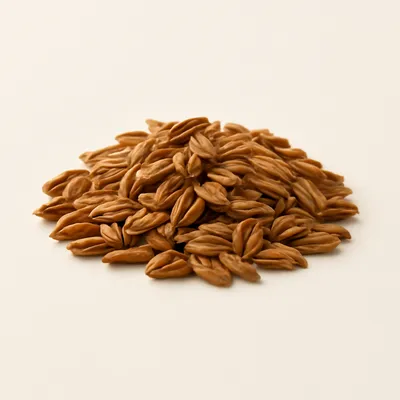
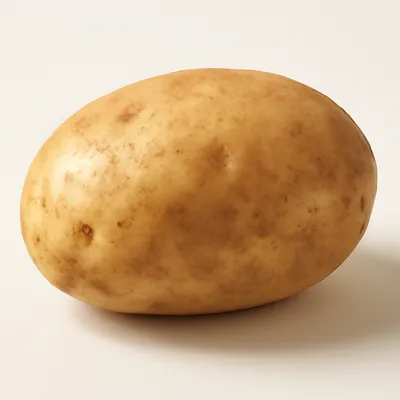
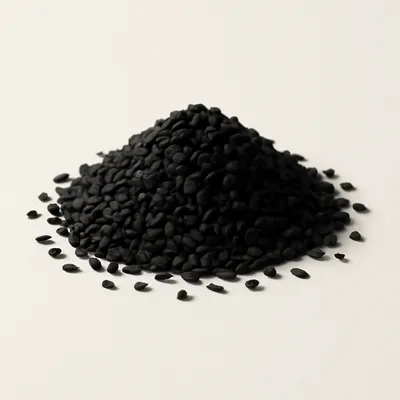
See all 32 ingredients›
Proteins


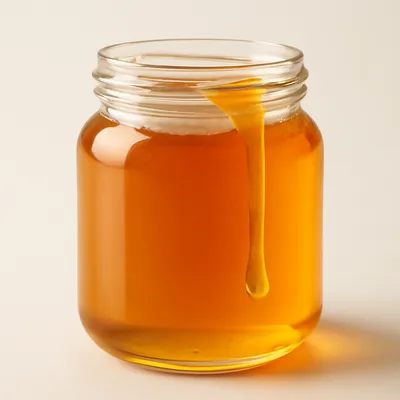

Fruits


Herbs & Spices


Grains & Staples







Sauces & Condiments

How They Cook
Techniques that define this cuisine
Other regions
Siblings within Uzbek — each its own tradition.


