
The Kyrgyz version of beshbarmak — boiled lamb or horse meat over hand-rolled wide noodles with broth-softened onions on top and sorpa broth in side bowls. Distinguished from Kazakh beshbarmak by using more sheep-tail fat in the noodle water (gives the noodles a richer sheen) and serving with chuchuk (horse sausage) when possible.





Kyrgyz beshbarmak shares ancestry with Kazakh but has small distinguishing details. The Kyrgyz dialect (бешбармак) shares the 'five fingers' name and the eating-by-hand tradition. Highland Kyrgyz mountain pasture (jailoo) sheep provide better-flavored meat than steppe-raised animals — a fact every Kyrgyz cook will mention. Modern Bishkek serves beshbarmak in restaurants nightly; Karakol weddings might serve 50 portions cooked over a wood fire.
Fork lifts a wide noodle with that distinctive sheen of fat-coated dough, a chunk of mountain-pasture lamb with cleaner flavor than steppe lamb, sweet-soft onions through it all. The fat in the noodle water gives them a different mouthfeel than Kazakh-style — slightly more luxurious. The bowl of sorpa alongside is golden and clear from the long simmer. Shared from a large platter with everyone reaching in, beshbarmak is mountain-Kyrgyz hospitality writ large.
Adding rendered fat to the noodle water (the Kyrgyz touch) coats each noodle with a hydrophobic layer that prevents them from sticking to each other and gives them a glossy sheen — also infuses a faint mutton flavor into the wheat. Hand-rolled noodles (vs. machine-pressed) hold the fat-coating better due to slight texture differences. The sequence — meat broth first, then onions in hot broth, then noodles cooked in fortified broth — is structural: each component builds on the previous.
Variations
Horse-meat beshbarmak (Bishkek) uses 50/50 horse and lamb for celebration. Mountain-Karakol version uses Karakol-Kyrgyz lamb specifically. Modern restaurant version sometimes serves individual portions in deep bowls; traditional is the large communal platter. Vegetarian beshbarmak (rare) uses mushroom broth.
On the Palate
Where Beshbarmak Kyrgyz sits in the Kyrgyz flavor cloud
Ingredients
Serves 8


How it's made
11 steps · 1 hour active + 3 hours waiting
- 123 min
Meat: place 1.5 kg bone-in lamb (or 1 kg lamb + 500 g horse meat for festive) in a large stockpot. Cover with 4 L cold water. Bring slowly to a boil. Skim foam 20 min.
- 2150 min
Reduce to bare simmer. Add 2 whole peeled onions, 2 bay leaves, 1 tbsp peppercorns, 1.5 tsp salt. Simmer partially covered 2-2.5 hours until meat is fork-tender.
Watch outSkim hard for the first 20 minutes, then keep it at the faintest simmer — a hard boil toughens the meat and clouds the sorpa.
- 313 min
Noodles (made fresh): combine 500 g flour + 2 eggs + 200 ml water + 1 tsp salt. Knead 10 min into firm dough. Rest 30 min.
- 422 min
Roll dough thin (1-2 mm). Cut into 7×10 cm rectangles or rough diamonds. Dust with flour.
- 55 min
Onion topping: slice 3 large onions into half-moons. In a bowl, sprinkle with 1 tsp salt and ½ tsp pepper.
- 612 min
When meat is tender, lift to a board. Strain broth into a clean pot. Pick the best meat into large pieces; cube sheep-tail fat if available.
- 76 min
Bring the strained broth to a boil. Add 2 tbsp rendered sheep-tail fat (or lamb fat) to the noodle-cooking water — this is the Kyrgyz signature touch.
Watch outThis is the signature move: stir the rendered fat into the boiling broth just before the noodles go in.
- 822 min
Cook noodles in the fortified broth in batches, 4 min each. Lift onto a wide platter with a slotted spoon. Drizzle each batch with a ladle of broth.
- 94 min
Pour 250 ml very hot broth over the salted-rested onions. Mix; they soften to a chunky-soft texture.
Watch outDouse the salted onions with very hot broth until they slump to a chunky-soft texture — that heat is what tames the raw edge.
- 108 min
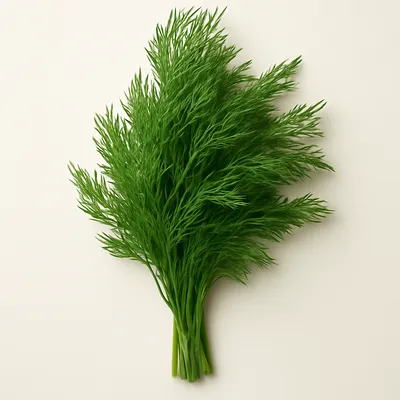
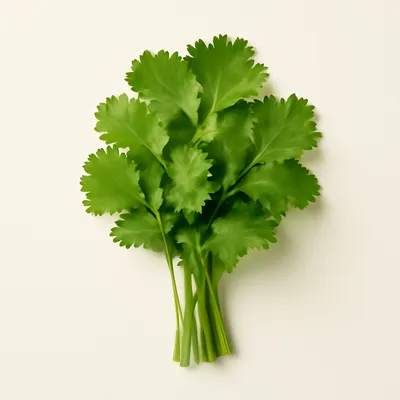
To plate: arrange noodles on a wide platter (the large communal serving plate). Top with meat pieces (the largest at the center). Scatter the hot-broth-onion topping over everything. Sprinkle with chopped dill or cilantro.
- 115 min
Pour the remaining broth (sorpa) into individual side bowls for each diner to drink. Eat the meat-and-noodle platter communally with hands or fork; sip the sorpa between bites.


