


Kyrgyz
Laghman pulled by hand, beshbarmak shared at the wedding, ashlyamfu cold in Karakol, kymyz on the jailoo — alpine Central Asian cooking with mountain-pasture lamb and Dungan-Chinese-Muslim threads.
Laghman
Hand-pulled long thin wheat noodles in a spicy red broth of beef or mutton stir-fried with bell peppers, tomatoes, garlic, and chiles — the Kyrgyz-and-Uyghur shared signature noodle dish. Topped with chopped scallions, served hot. The dish travels well across the Silk Road and varies slightly by region but the hand-pulled noodles are non-negotiable.
View page →Kyrgyz cooking is the alpine variant of Central Asian nomadic cuisine — sharing heritage with Kazakh but shaped by Tien Shan mountains rather than open steppe. Sheep and horse meat are the primary proteins; kymyz (fermented mare's milk) and maksym (fermented grain drink) anchor the summer beverages. Laghman (hand-pulled noodles in spicy red broth with bell peppers and tomato) is the Silk Road shared signature noodle; beshbarmak (boiled meat over wide noodles) is the wedding-feast centerpiece shared with Kazakh tradition. Manty steamed dumplings tilt pumpkin-heavy (50/50 with meat) in the Kyrgyz version. Mountain pastures (jailoo) provide lamb with cleaner flavor than steppe-raised; alpine honey from At-Bashy is a national treasure. Karakol's Dungan-Chinese-Muslim heritage gives ashlyamfu — the cold spicy noodle soup found nowhere else. Long jailoo summers and brief winters define the food calendar.
The Palate
The Pantry







See all 45 ingredients›








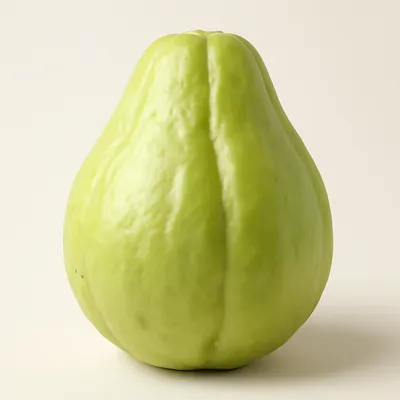
Fruits

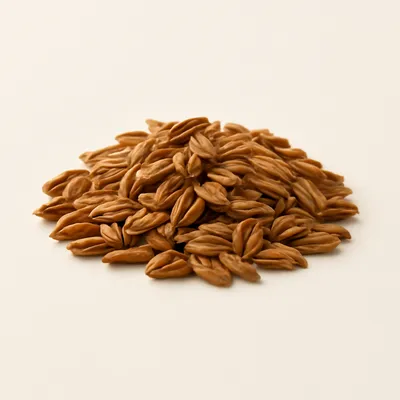

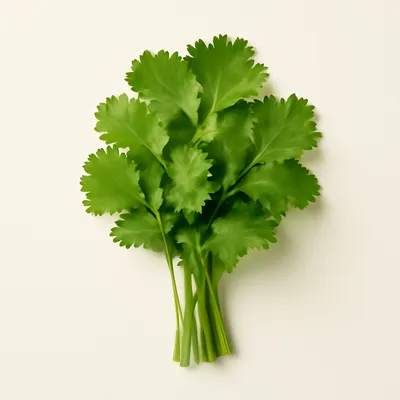



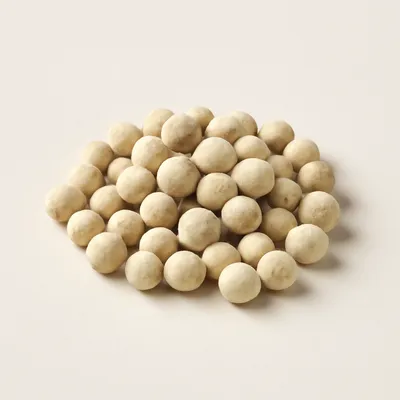
Grains & Staples








On the Map
Where this cuisine is found
Regional Styles
Bishkek & Chuy Valley
The capital region and northern Kyrgyzstan — most urbanized, with Russian-Soviet influences alongside Kyrgyz tradition. Bishkek's bazaars sell laghman from a hundred small stalls.
Issyk-Kul & Karakol
Eastern Kyrgyzstan around the great Issyk-Kul lake and Karakol town — Dungan-Chinese-Muslim heritage (ashlyamfu); kymyz traditions; alpine pasture lamb. The country's most culinarily distinctive region.
Naryn & High Pamir
Central highlands and Pamir-Alay foothills — the highest-altitude pastures, the most-prized horse meat (chuchuk), the strongest jailoo (summer pasture) tradition. Mountain nomadic life still partly active.
Osh & South (Fergana Valley)
Southern Kyrgyzstan in the Fergana Valley — closer to Uzbek-Tajik cooking, more plov, more dried-apricot use, the influence of the ancient Silk Road city of Osh. Densest population, oldest cooking traditions.
Talas & West
Western Kyrgyzstan along the border with Kazakhstan — sharing more with Kazakh cooking, kymyz-heavy, beshbarmak as the daily-celebration dish, the Talas-River apricot orchards.
How They Cook
Techniques that define this cuisine
See 4 more techniques›
Kindred Kitchens
Cuisines built on the same signature ingredients


