


Tajik
Qurutob torn over fatir bread with cool chakka yogurt, Osh palovs from celebration kazans, Mantu steamed dumplings shared across the Silk Road — Tajik cooking is Persianate mountain food at the Pamir's edge, where Iranian rice tradition meets Turkic dumpling craft.
Qurutob
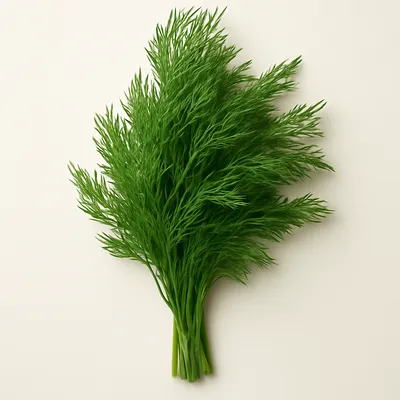
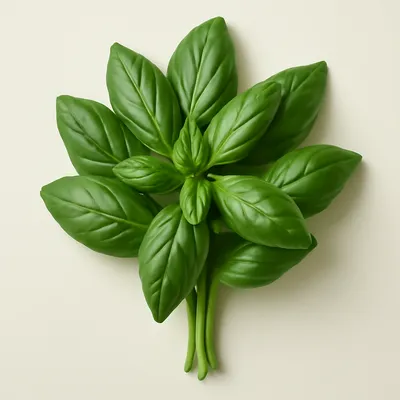
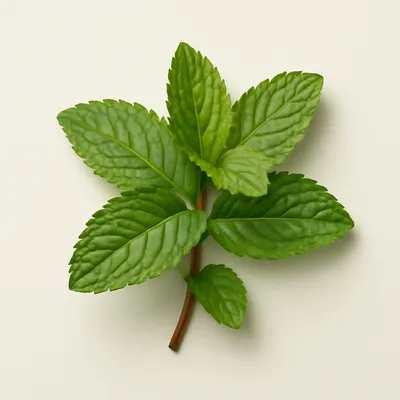
Tajikistan's national dish — pieces of non (Tajik flatbread) torn into a wide bowl, topped with liquid qurut (rehydrated dried-yogurt balls), then mounded with cucumber, tomato, onion, fried lamb (optional), basil, dill, cilantro, mint, sumac, and a generous drizzle of pomegranate molasses. Eaten communally with the right hand: scoop a piece of bread saturated with yogurt and a vegetable.
View page →Tajikistan is the Persianate Central-Asian heartland — surrounded by the Pamir mountains, watered by the Amu Darya and Syr Darya rivers, culturally connected to Persia for over 2,500 years. The cuisine is built on lamb, rice, bread, and yogurt traditions inherited from both Iran and the Turkic nomadic world. Osh (the Tajik plov) is the signature: long-grain rice cooked with lamb, yellow carrot, onion, and cumin (zira) in a single deep kazan. But the most-uniquely-Tajik dish is qurutob: torn fatir bread saturated with rehydrated dried-yogurt and topped with cucumber, tomato, herbs, fried lamb, pomegranate molasses, and sumac. Lagman (hand-pulled noodle stew, Uyghur heritage), mantu (large dumplings), shurpa (lamb-vegetable soup), and sambusa (tandoor-baked pastries) round out the everyday plate. Chakka (strained yogurt cheese) is the universal accompaniment. Tandoor-baked non flatbread is the everyday meal anchor. Pamir-mountain Tajik communities preserve goat-cheese-and-yogurt traditions and brew apricot-stone-pit tea; lowland Dushanbe restaurants showcase modernized Soviet-and-Persian fusion. The Tajik diaspora in Russia and Iran maintains the tradition.
The Palate
Start Here
Torn fatir bread saturated with liquid qurut (rehydrated dried-yogurt), topped with cubed cucumber, tomato, herbs, fried lamb, pomegranate molasses, sumac. Eaten communally from one bowl by 4-6 people with the right hand.
Why start here · Tajikistan's national dish — distinctively Tajik with no equivalent in any neighboring cuisine. The communal eating ritual is the food culture itself.
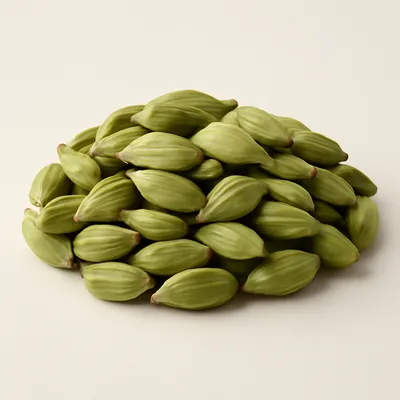
Long-grain rice with lamb, yellow carrots, dried apricot, ruby zereshk berries, and cumin (zira) cooked layered in a deep kazan. Eaten communally from a single platter.
Why start here · The most-developed Central-Asian plov tradition. Understand osh, and you understand 1,000 years of Silk Road-Persian-Turkic fusion in a single dish.
Yogurt drained 12-24 hours through cheesecloth into a thick spreadable fresh cheese. Eaten as dip with non, swirled into qurutob, dried into qurut balls.
Why start here · The foundation of all Tajik dairy cuisine. From chakka comes qurut, from qurut comes the qurutob that defines Tajik identity. Start at the dairy source.
The Pantry


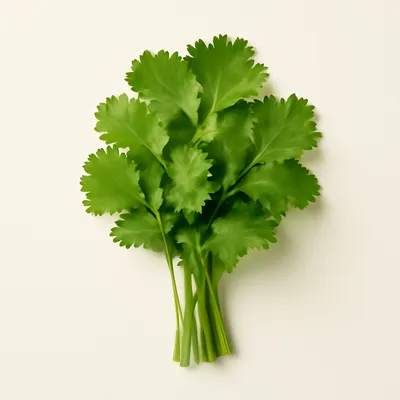
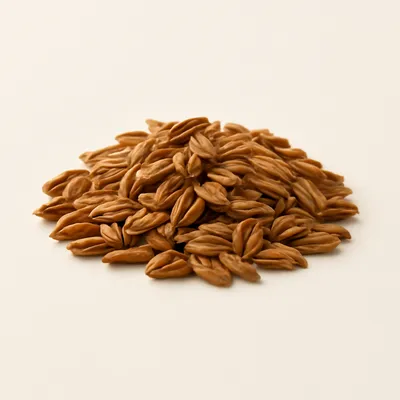
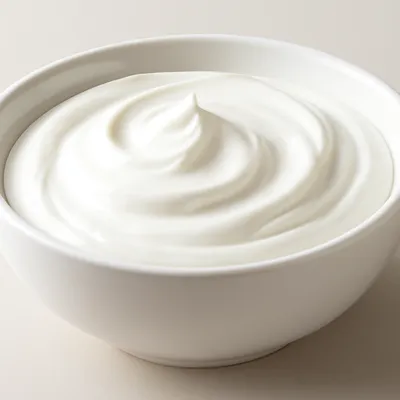


See all 53 ingredients›

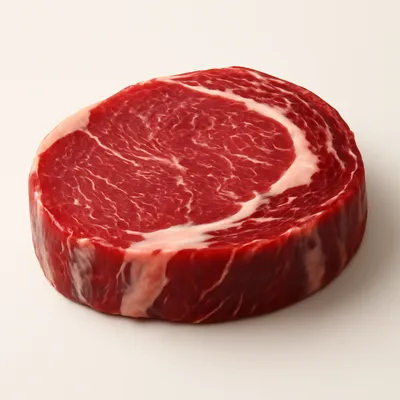
















Sauces & Condiments


On the Map
Where this cuisine is found
Regional Styles
Dushanbe and Lowland
The capital and surrounding cotton-and-citrus lowland. Modern restaurants, Russian-Tajik fusion, urban street food.
Pamir Mountains
High-altitude pastoral communities. Goat-cheese and apricot-stone-pit traditions; cold-winter preservation cuisine.
How They Cook
Techniques that define this cuisine
Kindred Kitchens
Cuisines built on the same signature ingredients


