
Tajikistan's national dish — pieces of fatir flatbread torn into a wide bowl, topped with liquid qurut (rehydrated dried-yogurt balls), then mounded with cubed cucumber, tomato, fresh herbs (basil, dill, cilantro, mint), fried lamb (optional), sumac, and a generous drizzle of pomegranate molasses. Eaten communally by 4-6 people from one bowl with the right hand: scoop bread saturated with yogurt and a vegetable. The most-uniquely Tajik dish, distinct from any other Central Asian cuisine.
Qurutob (literally 'qurut water' in Tajik) is the country's national dish — distinctively Tajik with no direct equivalent in neighboring cuisines. The dish reflects Tajikistan's pastoral-mountain heritage: qurut (dried yogurt) was historically created to preserve summer dairy through long winters; flatbread (fatir or non) was the universal staple; cucumbers, tomatoes, and herbs are summer-garden abundance. The bowl-eating ritual is fundamental: a single very-large wooden bowl (tovak) is placed in the center of a low table; 4-6 people sit around it; everyone eats with the right hand. The dish is shared at family gatherings, work breaks, weddings, and the Navruz New Year. Dushanbe restaurants serve qurutob with fancier proteins (saffron-saffron-and-lemon-lamb), but the rural Pamir version stays simple and authentic.
Scoop up qurutob with your right hand from the communal bowl — pieces of bread saturated with creamy-tangy yogurt, cubes of cool cucumber and ripe tomato, sprigs of basil and dill and mint, ribbons of fried lamb, dotted with pomegranate seeds and sumac. First bite: the bread is soft-saturated (not soggy), the yogurt is dramatically tangy from the qurut, the vegetables are crisp and cool, the herbs explode fresh-aromatic, the lamb adds savor, the pomegranate molasses adds sour-sweet finish. Each scoop is a different combination. With 4-6 people eating from the same bowl, it's also a profoundly social meal — the Tajik way.
Qurut's drying process concentrates the yogurt's lactic acid and proteins — when rehydrated, it produces a much-more-tangy liquid than fresh yogurt. The bread absorbs this liquid like a sponge but stays structurally intact thanks to the dryness; it becomes a flavor-carrying vehicle. The temperature contrast (cool vegetables, room-temperature qurut, optional hot lamb) is sensorily complex. Pomegranate molasses' acidity balances the rich yogurt; sumac adds another dimension of citric tang. The communal bowl-eating is functional: the dish is best eaten warm, and serving in individual bowls would cool it down too fast.
Variations
Pure-qurutob (vegetarian) omits the lamb — most-traditional Pamir version. Modern Dushanbe qurutob uses fancier proteins (saffron-rubbed lamb, marinated chicken, fried sturgeon). Spring qurutob uses extra herbs from the season. Winter qurutob omits fresh tomato (uses dried). Sheki-influenced qurutob adds walnut paste. Tourist-version qurutob has individual bowls instead of communal — easier to serve in restaurants but loses the social dimension.
On the Palate
Where Qurutob sits in the Tajik flavor cloud
The dish lives or dies on the qurut liquid: rehydrate the dried qurut into a properly thick, tangy liquid and pour it over toasted bread, which drinks it up like a sponge while still holding its shape.
Ingredients
Serves 4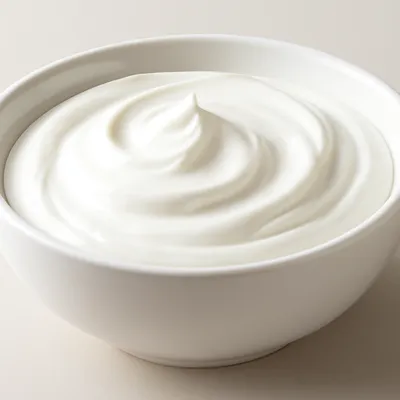


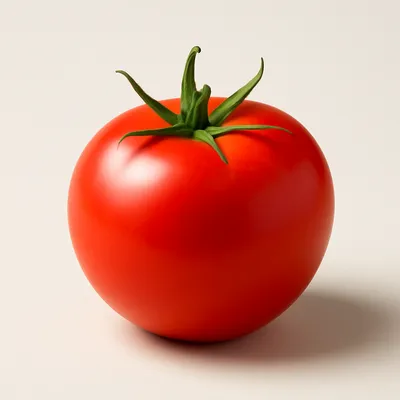

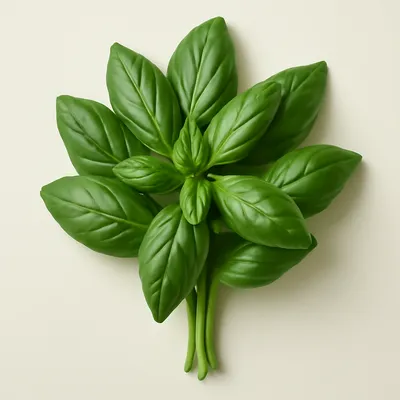
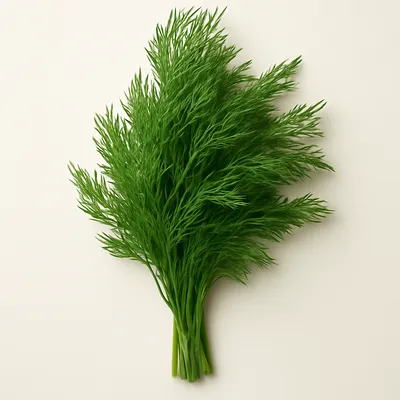





How it's made
12 steps · 40 min active + 20 min waiting
- 13 min
Acquire (or make) qurut: 200 g dried qurut balls (Central-Asian shops; sometimes labeled 'qurt' or 'kurt'). If unavailable, substitute 400 g thick Greek yogurt + 1 tsp salt.
- 232 min
Rehydrate qurut: place the dried qurut in a bowl, cover with 600 ml warm water. Let soak 30 min until soft, then mash with a fork or blend with the water into a thick liquid. Strain through a sieve to remove any lumps.
Watch outMash and strain until the qurut liquid is smooth and thick with no lumps — that's your whole sauce.
- 35 min
Prepare fatir flatbread: use 2 fresh round Tajik fatir or non (about 25 cm each). If unavailable, use lavash or pita — break into bite-sized pieces (about 3 × 3 cm). You should have about 3 cups of bread pieces.
- 46 min
Toast the bread pieces lightly: spread on a baking sheet, toast 5 min at 180°C until lightly golden but not crispy.
Watch outToast the bread just to light gold, not crisp — it needs to soften later, not shatter.
- 58 min
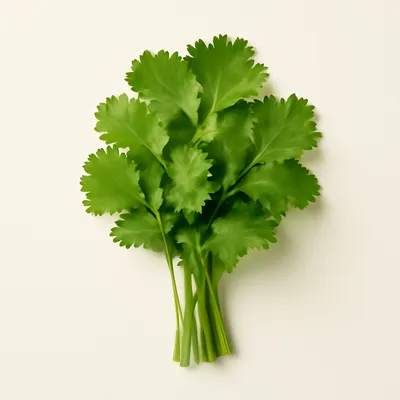
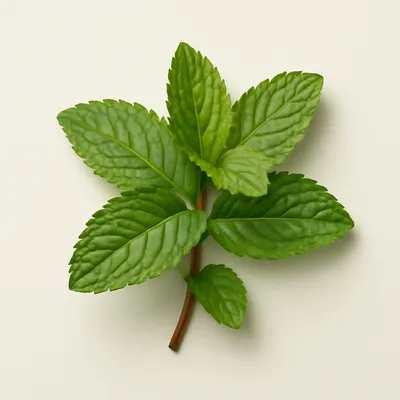
Prepare vegetables and herbs: dice 1 cucumber into 1-cm cubes; dice 2 tomatoes into 1-cm cubes; chop 1 small onion finely; chop 1/4 cup each: fresh basil, dill, cilantro, mint.
- 616 min
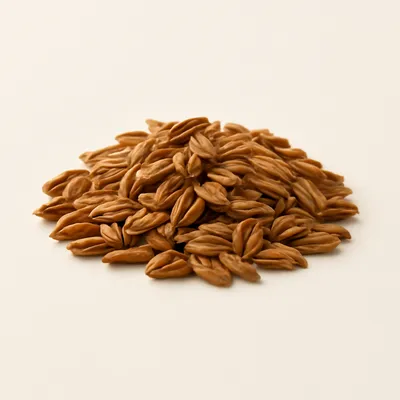
Optional: prepare fried lamb topping. In a hot pan, sauté 250 g cubed lamb shoulder + 1 chopped onion + 1 minced garlic clove + 1/2 tsp cumin + 1/2 tsp salt + 1/2 tsp pepper until lamb is browned and tender (15 min).
- 76 min
Assemble: place the toasted fatir pieces in one large wide bowl (tovak). Pour the rehydrated qurut liquid generously over the bread, letting it absorb. Stir gently. Let sit 2 min.
Watch outPour the qurut over generously and give it 2 minutes to soak in before you top it.
- 84 min
Top with the cubed vegetables (cucumber and tomato), chopped onion, all fresh herbs.
- 92 min
If using lamb: spoon the hot lamb-and-onion mixture over the top.
- 104 min
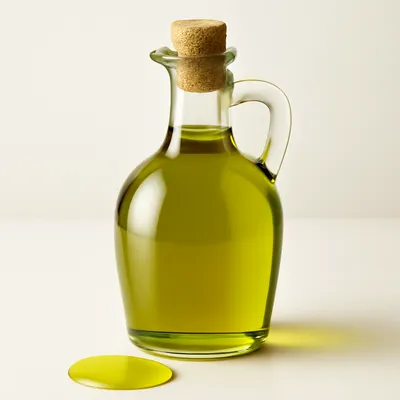
Drizzle generously with: 3 tbsp pomegranate molasses + 2 tbsp olive oil. Sprinkle with 1 tbsp sumac and a pinch of black pepper.
- 112 min
Add a final scattering of pomegranate seeds and chopped walnuts for garnish.
- 125 min
Serve immediately. Place the bowl in the center of the table. Each person sits around and eats with their right hand: pinch off bread-and-yogurt-and-vegetable and pop in mouth. Discuss the day's news.


