
Tajikistan's large steamed dumplings — paper-thin wheat dough wrapped around a generous filling of seasoned ground lamb and minced onion (sometimes with pumpkin for the chuchvara-style version), steamed in tiered manty-kasan steamers for 40 min. Served with thick sour cream (qaymak), chopped fresh dill, and a sprinkle of paprika or sumac. The festive Sunday family meal across Tajikistan and shared with neighboring Uzbekistan.




Mantu (also called manti, mantı, manty, depending on country) is the Central-Asian-and-Turkic large dumpling tradition. The technique came from China via the Silk Road but was adopted into Turkic and Persian cuisine over a millennium. Tajik manty distinguishes itself with hand-rolled dough (slightly thicker than Uzbek), heavy lamb-and-onion filling (sometimes with pumpkin/squash), and the qaymak (thick sour cream) topping. The dish requires a manty-kasan (tiered metal steamer with perforated layers) — every Tajik kitchen has one. The Sunday-family-meal tradition is strong: women of the family gather to fold dumplings while sharing news, men supervise the steamer. The Pamir-mountain Tajik tradition uses goat instead of lamb. Diaspora Tajik communities in Russia, Iran, and Afghanistan maintain the tradition.
Pick up a hot mantu with your fingers — pale-golden flower-shaped dumpling with the visible meat filling at the top, the dough translucent and tender. Bite: paper-thin dough gives way to a generous pocket of well-seasoned lamb-and-onion filling that bursts with juice. The cumin-coriander-paprika seasoning sings; the onion sweetness balances the meat. Spoon a dollop of qaymak (cool tangy sour cream) on top — the contrast of warm-savory dumpling with cool-creamy qaymak is perfect. The Sunday family meal that fills the kitchen with steam and the table with conversation.
Wheat dough rolled paper-thin (1-2 mm) and steamed (vs boiled) maintains its delicate texture — the dough doesn't get tough or absorb too much water. Vigorous mixing of the meat filling activates the myosin proteins, creating a sticky bind that holds the juices inside during cooking. The flower-shape fold creates four seal-points that prevent leakage. Steaming at high heat for 40 min thoroughly cooks the meat without burning the dough. The qaymak's coldness and acidity (lactic acid) cuts through the rich meat fat, completing the flavor balance.
Variations
Pumpkin manty replaces some meat with pumpkin — vegetarian-friendly and sweet. Beef manty uses ground beef. Tarragon manty adds fresh tarragon to the filling — Pamir-mountain specialty. Fried-then-steamed manty has the bottom crisped after steaming. Tomato manty adds chopped tomato to the filling — northern Tajik variation. Dushanbe restaurant manty serves them topped with tomato-pepper sauce.
On the Palate
Where Mantu Tajik sits in the Tajik flavor cloud
Ingredients
Serves 4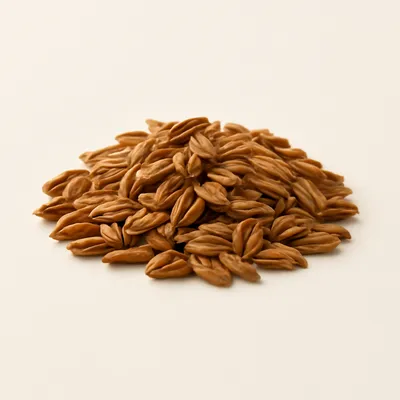


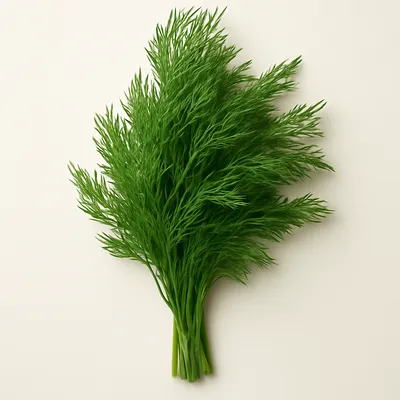
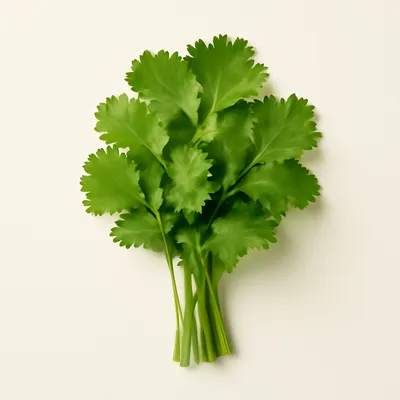


How it's made
13 steps · 1 hour 30 min active + 1 hour waiting
- 175 min
Make dough: combine 400 g all-purpose flour + 1 tsp salt + 1 egg + 180 ml warm water + 2 tbsp vegetable oil. Mix into a stiff dough. Knead 12 min until smooth and elastic. Wrap in plastic; rest 60 min.
- 212 min
Make filling: combine 600 g ground lamb (or 80/20 lamb-beef) + 3 large finely-chopped onions + 2 minced garlic cloves + 1 tsp ground cumin + 1 tsp ground coriander + 1/2 tsp paprika + 1.5 tsp salt + 1 tsp black pepper + 2 tbsp very-cold water + 50 g grated pumpkin (optional but traditional). Mix vigorously with your hands until the meat is sticky and well-bound.
Watch outKeep mixing the meat by hand until it turns sticky and pulls together in a mass — that tackiness is what locks the juices inside during steaming.
- 318 min
Divide the dough into 4 portions. Working one at a time, roll each into a paper-thin rectangle, about 35 × 35 cm and 1-2 mm thick.
Watch outRoll the dough until you can almost see through it, 1-2 mm — too thick and the wrapper stays doughy and heavy after steaming.
- 45 min
Cut the dough into 10 × 10 cm squares (each portion makes about 9 squares).
- 57 min
Place 1 generous tablespoon of filling in the center of each square.
- 625 min
Fold technique (the traditional Tajik way): bring the four corners of the square together over the filling at the center, pinching them tightly. Then twist gently and pinch the four side seams to seal. The result is a flower-shape with the filling visible at the top.
Watch outPinch all four corners and the side seams shut hard — any loose gap and the juice leaks out mid-steam.
- 730 min
Repeat until all dough and filling are used (yields ~36 dumplings).
- 86 min
Set up the manty-kasan steamer (or use a deep pot with bamboo steamer baskets stacked). Brush each layer with oil. Add water to the bottom; bring to a vigorous boil.
- 98 min
Lightly oil each dumpling base (a brush works) to prevent sticking. Arrange dumplings on the steamer layers without touching each other.
- 1042 min
Cover; steam over high heat 40-45 min. The dumplings are done when the dough is translucent and the meat is fully cooked.
Watch outDone when the wrapper turns translucent and you can see the cooked filling through it — pale, opaque dough means it needs more time.
- 114 min
While dumplings steam, prepare the qaymak topping: whisk 250 g thick sour cream (or labneh) + 1 minced garlic clove + 1/2 tsp salt + 1 tbsp chopped dill.
- 126 min
Serve immediately on a platter. Top each dumpling with a dollop of qaymak. Sprinkle with chopped fresh dill, cilantro, a pinch of paprika or sumac. Garnish with pomegranate seeds.
- 138 min
Eat by hand: pick up a dumpling, dip in qaymak, enjoy. Each dumpling is one perfect mouthful.


