
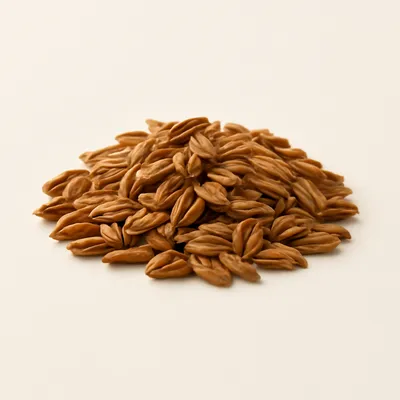
Tajikistan's signature pilaf — long-grain rice cooked with lamb, yellow carrots, onion, garlic, cumin (zira), zereshk berries, and dried apricot in a deep kazan pot. The lamb fat renders into the rice base; the carrots caramelize golden-amber; the dried fruits add sweet-tart punctuation. Served on a single communal plate, eaten with the right hand. The most-developed Central-Asian plov tradition.



Tajik osh shares the universal Central-Asian plov tradition with Uzbek, Afghan, Iranian, and Azerbaijani versions — but distinguishes itself with yellow carrots (most other countries use orange), more cumin (zira is the Tajik plov signature), and the addition of zereshk barberries. The dish has been documented since the 10th century in the Persian-Sogdian Samanid empire (which had its capital at Bukhara, now in Uzbekistan but historically Tajik-cultural). Every Tajik wedding requires plov; the wedding plov chef (oshpaz) is a respected community role. The Dushanbe central market sells specialized plov rice (devzira) and the yellow carrots required for authentic preparation. The Tajik diaspora in Russia and Iran preserves the tradition.
Scoop up Tajik osh with your right hand — golden-amber rice with caramelized carrots, dried apricot, ruby-red zereshk berries, chunks of fall-apart-tender lamb, fragrant with cumin (zira) and pomegranate. First bite: each rice grain is separate and fluffy, infused with lamb fat and carrot caramel; the cumin perfume is unmistakable Tajik; the dried fruits burst with concentrated sweetness; zereshk adds a tart-sweet pop; the lamb is meltingly tender. With friends gathered around the communal plate, this is the Central-Asian plov tradition at its most-authentic.
Tajik osh's layered cooking technique (don't stir!) creates distinct flavor zones: lamb fat at the bottom infuses everything above; carrots layer caramelizes; rice layer absorbs steam from below; dried fruits release sugars into both meat and rice. The cumin (zira) is bloomed in the lamb fat — this is the signature Tajik flavor compound that distinguishes it from other Central-Asian plovs. The yellow carrots have a more-delicate flavor than orange, allowing the meat and spice to dominate; their pectin gives the rice a slightly-glossy texture. Zereshk berries' tartness balances the rich fats.
Variations
Wedding osh is made in massive 20-kg kazans for 100+ guests. Pamir-mountain osh uses lamb shoulder with the bone-in for more flavor. Chickpea osh (no meat) is the vegetarian version. Quince osh adds sliced quince — Sogdian-Persian heritage. Modern Dushanbe restaurant osh uses saffron and pine nuts as additions. Bukhara osh (cross-border variant) uses more cumin.
On the Palate
Where Osh Tajik sits in the Tajik flavor cloud
Ingredients
Serves 6





How it's made
15 steps · 50 min active + 1 hour 10 min waiting
- 162 min
Rinse 500 g long-grain devzira or basmati rice 4-5 times until water runs clear. Soak in lightly-salted warm water 1 hour; drain.
- 28 min
Acquire 600 g lamb shoulder; cut into 4-cm cubes. Acquire 400 g yellow carrots (Central-Asian markets) OR substitute with orange carrots + a pinch of turmeric; slice into 5-cm-long thin strips (julienne).
- 312 min
Heat 80 g lamb fat (or 4 tbsp vegetable oil) in a heavy kazan or deep Dutch oven over medium-high heat. When very hot, add 2 sliced onions; cook 10 min until deeply caramelized.
Watch outTake the onions all the way to deep caramel in the hot fat — this is the color base for the whole dish.
- 48 min
Add the lamb cubes; brown 7-8 min, stirring occasionally.
- 52 min
Add 8 minced garlic cloves and 1 tbsp whole cumin seeds (toasted briefly); stir 1 min.
- 63 min
Add the julienned carrots in a layer over the meat (do NOT stir from this point — the carrot layer is critical to the layered cooking). Sprinkle 2 tsp salt + 1 tsp ground black pepper over the carrots.
- 730 min
Without stirring, add 800 ml boiling water (it should just cover the carrots). Reduce heat to medium-low. Simmer 25-30 min until the carrots are tender and the liquid has reduced significantly.
Watch outWater should just barely cover the carrots; simmer until they're tender and most of the liquid has cooked down.
- 82 min
Add 60 g dried zereshk (barberries) and 80 g sliced dried apricots over the top.
- 93 min
Now distribute the rinsed rice evenly over the carrots — gently, without stirring. Smooth the surface.
- 101 min
Pour 400 ml additional boiling water over the rice (it should sit just above the rice level). Add another 1 tsp salt.
- 1138 min
Cover; cook on low heat 35-40 min until the rice is tender and the liquid is fully absorbed.
Watch outLid on, lowest heat — done when the rice is tender and no liquid pools at the bottom when you nudge the edge.
- 121 min
When ready, the layers are: meat at bottom + carrots + dried fruit + rice on top. The plov is technically one dish but visually multi-layered.
- 134 min
To serve (the dramatic reveal): use a large platter. Scoop the rice from the top onto the platter, then layer carrots, fruit, then meat on top — flipping the layers so the meat is on top.
- 144 min
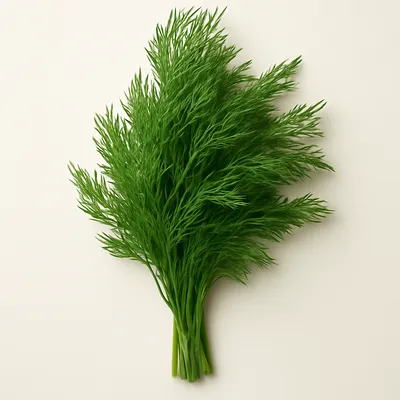
Garnish with: 1 raw garlic head (squeezed to release flavor for sharing), pomegranate seeds, chopped fresh dill or cilantro.
- 153 min
Serve immediately. Each diner takes from the single platter. Eat with the right hand; communal-style.


