


Traditional Kazakh
Kuyrdak: fresh offal, fast-fried.
Kuyrdak
Kuyrdak — freshly slaughtered livestock offal and meat quick-fried with onions and potato — is the celebratory first dish of the Kazakh steppe.
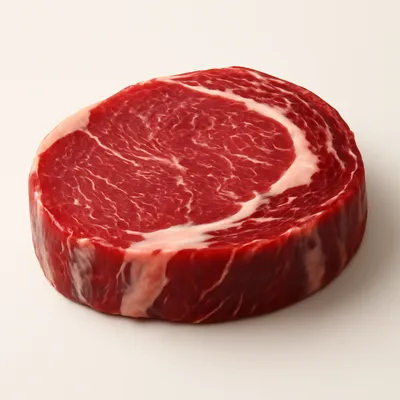
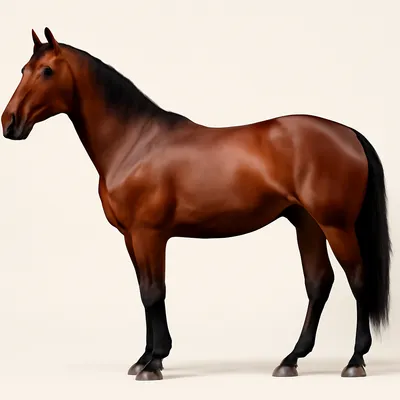
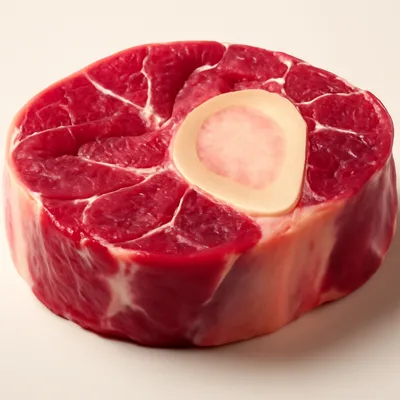
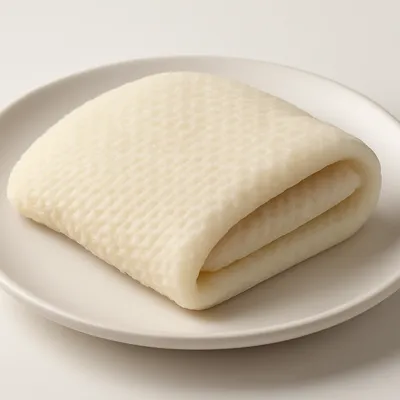
View page →Traditional Kazakh cooking is rooted in the nomadic life of the Central Asian steppe, built for two millennia on two things: horse and sheep, and the many fermented or reduced dairy products made from mare's, camel's and cow's milk. The nomad's kitchen had to travel with the tent, work with minimal equipment, and use every part of the animal to make the most warming meal. The soul of the feast is beshbarmak — boiled horse or lamb laid over wide noodles and bathed in broth, traditionally carved by the host and served to guests in order of rank. The first dish at a slaughter is kuyrdak: liver, lung and intestine of the freshly killed animal quick-fried with meat and onion, eaten hot. Samsa are baked pastries stuffed with meat and onion; baursak are deep-fried dough puffs; kumis is the lightly fizzy, tangy fermented mare's milk. Dried horse sausage, cultured cheese and pressed curd are all steppe foods built to last.
The Palate
Start Here
Fresh-killed offal and meat quick-fried with onion — the first dish of a steppe slaughter.
Why start here · The celebratory first taste of the nomadic year.
Large steamed dumplings packed with meat and onion, a shared Central Asian staple.
Why start here · The dumpling that travelled with every tent.
Deep-fried golden dough puffs, served warm with tea or as a side.
Why start here · The steppe's everyday bread, fried not baked.
The Pantry








See all 51 ingredients›



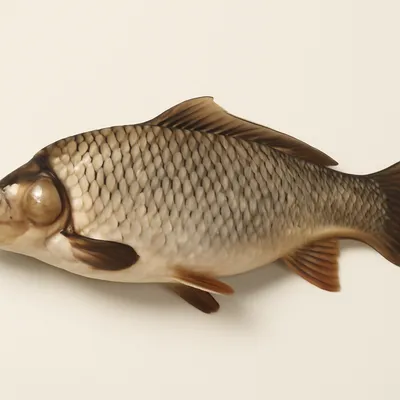





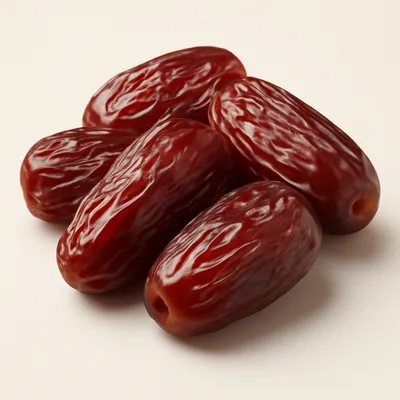

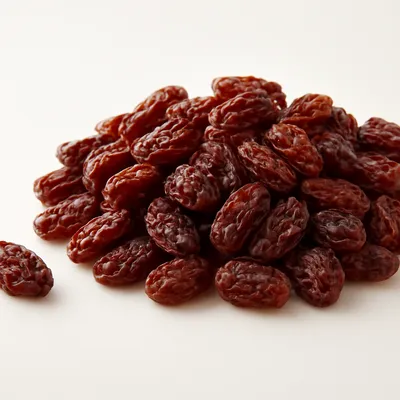
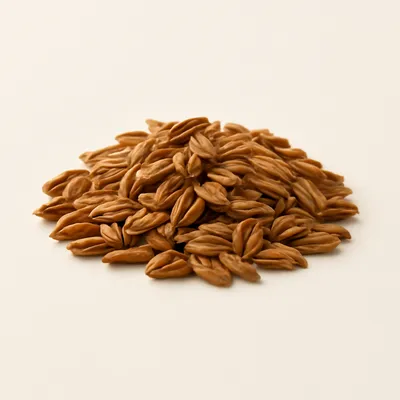

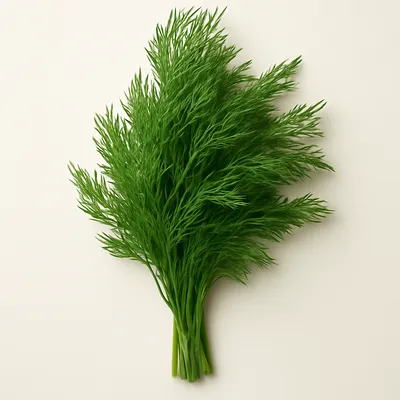



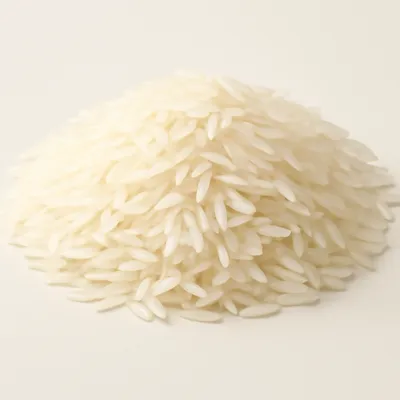
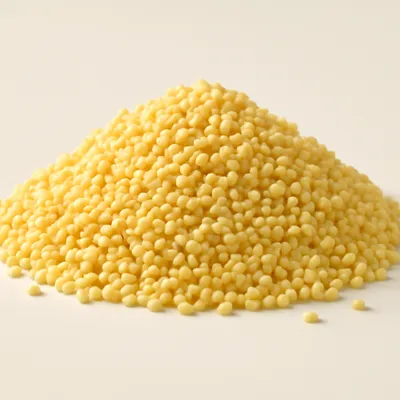







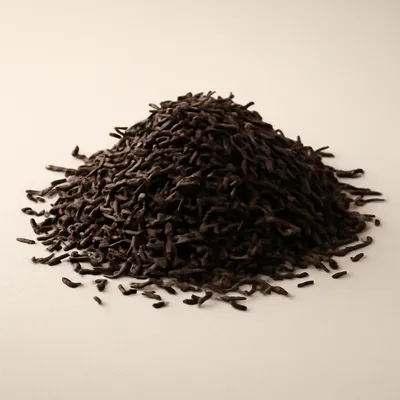
Other

How They Cook
Techniques that define this cuisine
See 6 more techniques›
Kindred Kitchens
Cuisines built on the same signature ingredients

