


Lithuanian
Cepelinai's pork-stuffed potato dumplings, šaltibarščiai's neon-pink beet-kefir summer soup, kibinai from Karaite Trakai, šakotis at every wedding — potato-and-dairy heavy with deep multicultural roots.
Cepelinai
Football-shaped dumplings made of grated raw potato and cooked potato dough, stuffed with seasoned pork or curd cheese, simmered in salted water, served with sour cream and crispy bacon-onion bits. Named after the WWI-era German zeppelins they resemble; the dish that Lithuanian diaspora cooks teach their children to make first.
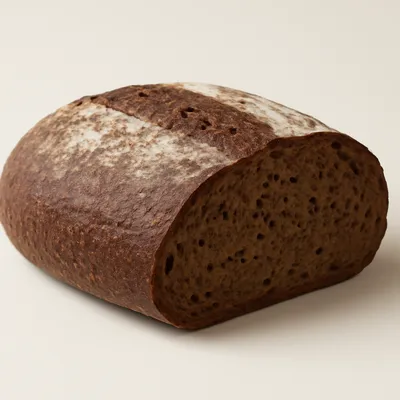
View page →Lithuanian cooking is potato-and-dairy with deep Slavic and Polish-Lithuanian Commonwealth roots — cepelinai (zeppelin potato dumplings stuffed with pork) and šaltibarščiai (cold neon-pink beet-and-kefir soup) are the two flag-bearers. Pork dominates the meat board; sour cream (smetona) anchors the dairy; forest mushrooms are a national obsession; dense black rye bread (juoda duona) frames every meal. Karaite Jews brought kibinai pastries from 14th-century Crimea to Trakai; Polish-Lithuanian Commonwealth influences shaped holiday menus. Cepelinai are heavy but require precise potato-starch technique; šakotis the wedding cake is a baroque pyramid built layer by layer over flame. The cuisine asks effort and rewards with depth.
The Palate
Start Here
Football-shaped potato dumplings stuffed with seasoned pork, gently simmered, served with sour cream and bacon-onion-rendered fat. Named for WWI-era German zeppelins.
Why start here · Cepelinai is Lithuania's flag-bearer — the dish diaspora cooks teach their children first. The raw-potato-starch technique is precise; success means you understand the country's cooking.
Cold neon-pink kefir-and-beet soup with cucumber, scallion, dill, hard-boiled egg — served with hot boiled potatoes alongside for temperature drama.
Why start here · Šaltibarščiai is the Lithuanian summer in a bowl — visually striking, technically simple, deeply satisfying. Eating it during a heatwave teaches you why Lithuanians celebrate it.
Hand-chopped mutton pastries with rope-crimped half-moon seam — Karaite Jewish import from 14th-century Crimea, the Trakai signature dish.
Why start here · Kibinai represents Lithuania's multicultural heritage — Karaite, Polish, Russian, and Slavic threads brought into one cuisine. The hand-chopped (not ground) meat technique is uniquely Karaite.
Tall conical 'tree cake' built layer by layer on a horizontal rotating spit over open flame — the Lithuanian wedding centerpiece.
Why start here · Šakotis is wedding-day Lithuania — the labor-intensive baroque cake that signals 'this is a major occasion'. Even the simplified oven version shows the layered structure.
The Pantry






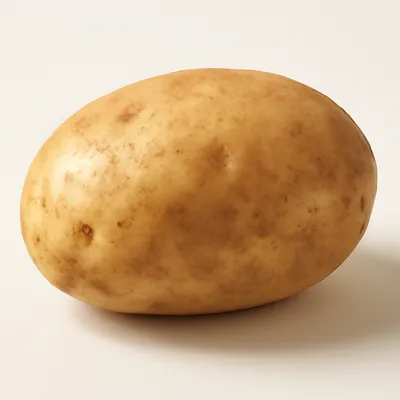
See all 61 ingredients›



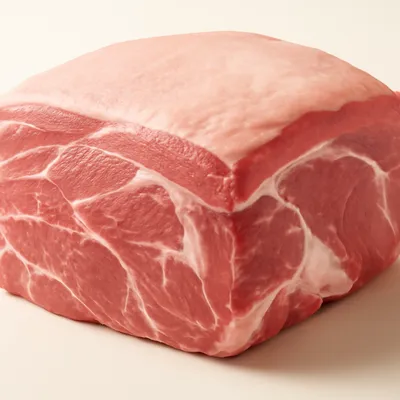

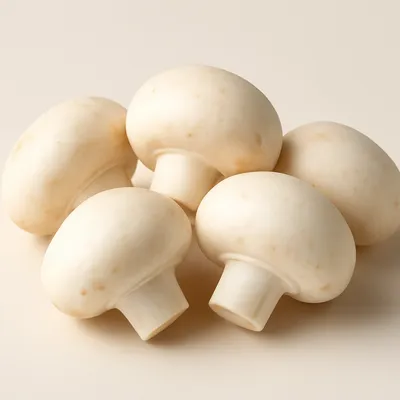

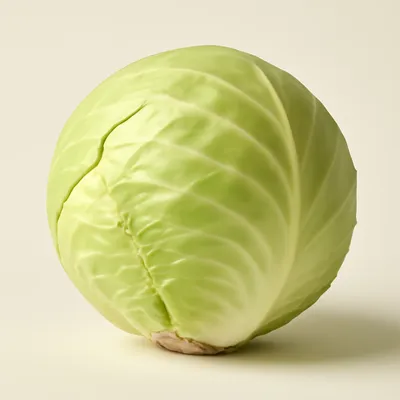
















Dairy & Fats







Sauces & Condiments





On the Map
Where this cuisine is found
Regional Styles
Vilnius & Dzūkija
The capital region and southeastern Dzūkija forests — Vilnius restaurant scene mixes Lithuanian classics with modern Polish-Lithuanian fusion; Dzūkija provides the wild mushrooms and forest-foraged ingredients.
Žemaitija (Samogitia)
Western Lithuania — the historical heartland of the pre-Christian Lithuanian state, distinct culinary traditions including žemaičių blynai (stuffed potato pancakes) and the strongest fish-eating culture along the Baltic coast.
Aukštaitija
Northeastern Lithuania — the kugelis heartland with the strongest traditional skilandis (cured pork) makers, and the diaspora-American Lithuanian food roots primarily from this region.
Suvalkija
Southwestern Lithuania bordering Poland — the most Polish-influenced regional kitchen with closer šaltibarščiai-chłodnik connections and the most caraway-and-honey-flavored breads.
Trakai & Karaite tradition
Trakai town near Vilnius — home of the Karaite Jewish community since 1397, with kibinai as the unique culinary heritage that travels nowhere else quite the same way.
How They Cook
Techniques that define this cuisine
See 6 more techniques›
Kindred Kitchens
Cuisines built on the same signature ingredients


