
A tall conical 'tree cake' built up layer by layer on a horizontal rotating spit over an open flame — thick eggs-sugar-butter batter drizzled onto the slowly-turning core; each layer bakes and spawns the projecting branches that give the cake its name. The Lithuanian wedding-cake tradition, baked by specialists in dedicated bakeries.





Šakotis (also baumkuchen in German tradition) belongs to the European spit-cake family, with a prototype in the ancient Greek obelias (dough wrapped on a stick over fire). The form crystallized as a named specialty in Salzwedel, Germany (documented from 1807; King Friedrich Wilhelm IV of Prussia took it to Berlin in 1843, after which it spread among European aristocracy). It became popular within the former Polish-Lithuanian Commonwealth in the 19th century — Vilnius chef Jan Szyttler published a regional recipe for it in the city in 1830, one of the earliest written records in Lithuania. The pyramid shape with projecting branches is associated with the tree of life and is a centerpiece of Lithuanian wedding symbolism. Specialized bakeries make them; few households attempt the open-flame spit technique. The cake can be 1 meter tall and weigh 5 kg; weddings traditionally have one large šakotis.
Slice reveals beautiful concentric circular layers like tree rings — each layer is just-baked thin and slightly crispy, with hints of the egg-rich crumb between. Bite has a sandy-sweet eggy texture, faint vanilla and lemon perfume, the rum a barely-there adult note. Crispy outside, tender inside. With coffee. Special-occasion only.
Layer-by-layer baking is the technical heart: each thin layer of batter sets quickly at 220°C, creating distinct crystallized-sugar lines visible in cross-section. Authentic spit method spins continuously so layers form rings around a vertical axis — that's why traditional šakotis is tall and trunk-like. Open flame gives uneven browning that creates the projecting 'branches'; the oven-pan adaptation loses this but preserves the layered structure.
Variations
Bagel-style mini šakotis are sold at airports as souvenirs. Chocolate-dipped variant adds a layer of dark chocolate glaze. Honey-version uses honey instead of sugar (Suvalkija). Diaspora-American bakeries often use boxed cake mix as a shortcut — purists disapprove.
On the Palate
Where Šakotis sits in the Lithuanian flavor cloud
Layer discipline is everything: pour each thin coat of batter into the hot pan and let it set and brown before the next, because those quick-set 220°C layers are what create the crystallized-sugar lines that give šakotis its tree-ring cross-section.
Ingredients
Serves 16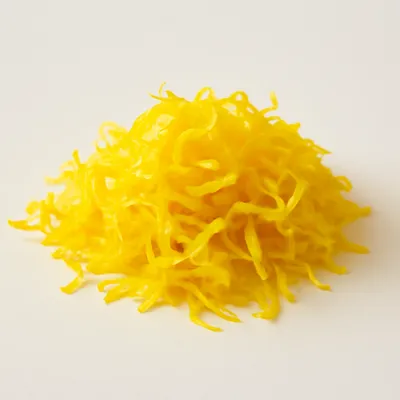


How it's made
10 steps · 1 hour 30 min active + 2 hours 30 min waiting
- 13 min
NOTE: Authentic šakotis requires a rotating spit setup with open-flame heat source — equipment not in typical home kitchens. This recipe adapts to a tube-pan oven approach that approximates the layers and tree shape (without the projecting branches). Read all steps before starting.
- 212 min
Batter: in a stand mixer, beat 12 egg yolks with 250 g sugar 8 min until pale and ribbony. In a separate clean bowl, beat 12 egg whites with 50 g sugar to firm peaks.
- 38 min
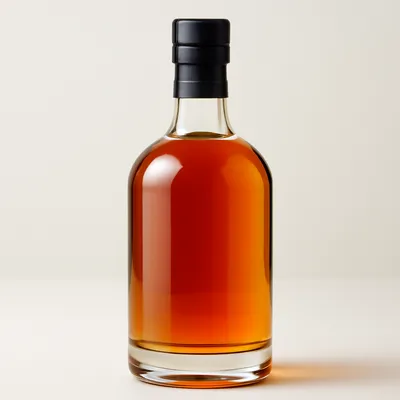
Cream 250 g soft butter with 100 g sugar 5 min until light. Beat in 100 ml heavy cream + 1 tbsp rum + 1 tsp vanilla + zest of 1 lemon.
- 46 min
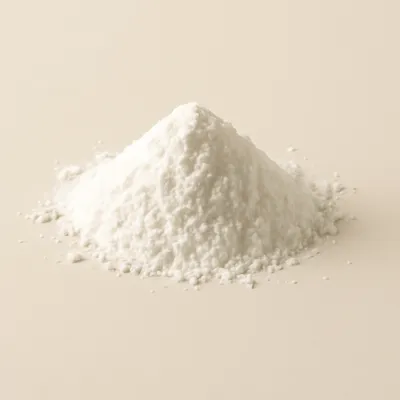
Fold butter mixture into yolk mixture. Sift over 250 g flour + 1 tsp baking powder + ¼ tsp salt; fold gently.
- 54 min
Fold in beaten egg whites in 3 additions, deflating as little as possible. Batter is thick and aerated.
Watch outThe finished batter should be thick and airy, holding soft ribbons when you lift the spatula — that means the whites survived the fold.
- 616 min
Adapted oven method: preheat oven to 220°C. Grease a large angel-food (tube) pan thoroughly with butter. Pour in 1/8 of the batter, just enough to coat the bottom thinly. Bake 8 min until set and just golden.
Watch outThe first layer must set firm and just tinge golden before you add more — a wet layer won't hold the next coat's ring line.
- 760 min
Remove from oven, pour another 1/8 of batter over the baked layer, tilt to coat. Bake 8 min. Repeat 6 more times for 8 layers total — each layer should brown slightly before adding the next.
Watch outLet each layer brown slightly before pouring the next; those browned edges are what read as the crystallized rings in the slice.
- 812 min
Final bake: 220°C 12 min for deep golden top.
- 9122 min
Cool completely (2 hours) in pan before unmolding. The texture is delicate.
- 105 min
To serve: slice thin wedges revealing the layered cross-section. Dust with powdered sugar. Šakotis keeps 2 weeks well-wrapped at room temperature.


