
Half-moon shaped buttery pastries stuffed with chopped (not ground) mutton or beef, onion, and a touch of broth — pinched into a rope-edge seam along the curve, baked golden. The signature dish of the Karaite Jewish community of Trakai, brought to Lithuania from Crimea in the 14th century and adopted into the broader Lithuanian table.




Karaite Jews (Karaites) were brought from Crimea to Trakai, Lithuania by Grand Duke Vytautas in 1397. Their kibinai pastries — Turkic-Crimean in origin, similar to chebureki — became part of the Lithuanian-Karaite culinary identity. Trakai today is the kibinai capital: the lakefront restaurants serve them by the dozen to tourists. The distinguishing technique is the hand-chopped (not ground) meat, which gives a coarser, juicier texture than minced fillings.
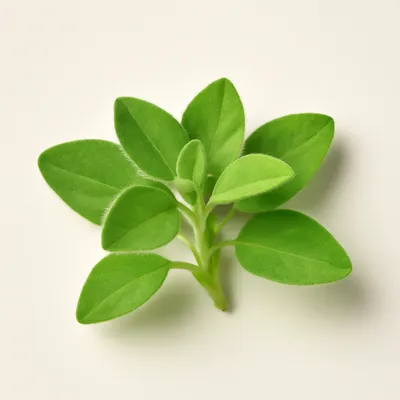
Crust shatters into golden flakes; inside is steaming with chunks of soft meat in their own juice — chopped meat means juicy bites, not the homogenized texture of ground filling. The onion has cooked sweet against the meat; marjoram is the herb identity. Eat with sour cream or just plain alongside a beer. Trakai-by-the-lake setting strongly recommended.
Hand-chopping the meat is the Karaite tradition that distinguishes kibinai from chebureki and other relatives — chunks retain their structure and exude juices during the bake rather than packing into a dense mass. The cold butter + ice water + vinegar pastry approach creates layers (similar to rough puff) without requiring full puff-pastry lamination. Vinegar in the dough tenderizes gluten so the pastry stays delicate.
Variations
Mushroom-vegetarian filling (kibinai grybų) is common in modern Lithuanian restaurants. Curd-cheese sweet kibinai are the dessert variant. Some Trakai bakeries serve smaller hand-sized kibinai (mini kibinukai). Diaspora-American versions often use ground meat for convenience, but the Karaite community insists on hand-chopping.
On the Palate
Where Kibinai sits in the Lithuanian flavor cloud
Hand-chop the meat into 5 mm cubes rather than grinding it — the chunks keep their structure and release juices during the bake, which is exactly what makes kibinai juicier than a minced filling.
Ingredients
Serves 12


How it's made
10 steps · 1 hour active + 1 hour waiting
- 18 min
Pastry: combine 400 g flour + 1 tsp salt + 1 tsp sugar in a bowl. Cut in 200 g cold butter (small cubes) until pea-sized lumps form.
- 24 min
Beat 1 egg + 100 ml ice water + 1 tbsp white vinegar in a small bowl. Pour into flour mixture; mix with a fork then knead 4 min just until cohesive (don't overwork).
- 360 min
Wrap dough, rest in fridge 60 min.
- 418 min
Filling: trim 500 g mutton shoulder (or beef chuck) of sinew. Hand-chop with a sharp knife into 5 mm cubes — this is the authentic Karaite technique. Don't grind.
Watch outChop to even 5 mm cubes you can still see distinctly — if it starts turning to paste under the knife you've gone too far.
- 55 min
Mix chopped meat with 2 finely chopped large onions + 1 tsp salt + ½ tsp pepper + ½ tsp marjoram + 3 tbsp ice water (or cold beef broth) + 1 tbsp melted butter.
- 68 min
Roll dough out to 4 mm thick. Cut into 12-cm circles using a bowl as template.
- 712 min
Place 2 tbsp filling on half of each circle. Fold dough over to form a half-moon. Press edges firmly. Then pinch the curved edge into a rope-twist seam — this is decorative and structural.
Watch outPress the edges hard first, then rope-twist the curve — a well-sealed seam is what keeps the juices in during the bake.
- 83 min
Place on parchment-lined baking sheet. Brush with beaten egg yolk + 1 tbsp milk.
- 932 min
Bake at 200°C for 30-35 min until deeply golden. The pastry should be crisp and the filling juicy.
Watch outBake until the pastry is deeply golden and crisp, about 30-35 minutes — pale pastry means the filling isn't done inside.
- 106 min
Rest 5 min. Eat warm — best when the meat juices have settled inside the pastry but it's still hot.


