
Pork blood mixed with pearl barley, onion, marjoram, allspice, salt, and pork fat, stuffed into natural pork casings, simmered briefly to set, then pan-fried or oven-roasted golden — the Estonian Christmas-Eve centerpiece, served with stewed sauerkraut, lingonberry, and rye bread.





Blood sausages exist across Northern Europe — German Blutwurst, Polish kaszanka, Scottish black pudding — but Estonian verivorst is distinguished by the pearl barley filler (not buckwheat or oats), the marjoram-and-allspice seasoning (not thyme or sage), and its absolute centrality to Christmas Eve. December 24th every Estonian household either makes or buys verivorst; without it, the holiday is incomplete. Tallinn old town markets sell it from artisanal butchers from late October through Twelfth Night.
Knife splits the bronze-crisp casing and the dark interior is dense, slightly sweet, deeply savory — the pearl barley provides a chewy texture against the soft blood-and-fat matrix. Marjoram and allspice rise as you cut. The tart-sweet lingonberry on the side is the perfect counterpoint to the richness; sauerkraut adds acid; rye bread is the bite. Christmas memory in a single mouthful for Estonians.
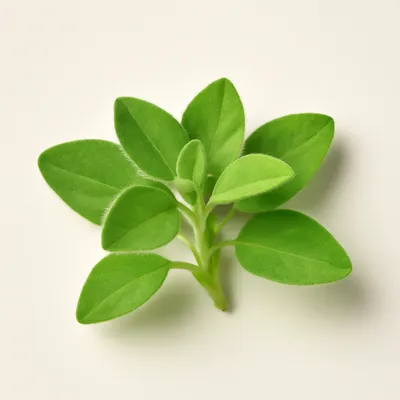
Pork blood coagulates between 65-75°C — that's why the 80°C simmer must never boil (boiling causes the proteins to over-contract and turn rubbery). Pearl barley pre-cooked is essential: raw barley would absorb the liquid in the casing and split it during simmering. Marjoram is the herb-key: it survives the long cook better than parsley or dill but provides enough fresh-bitter to balance the rich blood.
Variations
Setomaa-region version uses buckwheat instead of pearl barley. Modern Tallinn restaurants sometimes serve verivorst patties (no casing) for easier diner approach. Pärnu coast adds a touch of smoked herring oil — controversial. Industrial supermarket versions exist but every Estonian grandmother will tell you they're not the real thing.
On the Palate
Where Verivorst sits in the Estonian flavor cloud
Hold the poaching water at a bare 80°C that never boils — pork blood sets between 65-75°C, and a hard boil over-contracts the proteins into rubber and bursts the casings.
Ingredients
Serves 8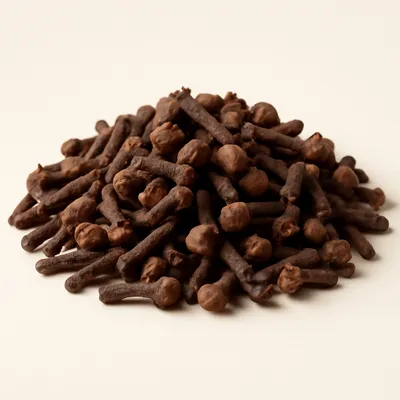







How it's made
10 steps · 1 hour active + 2 hours waiting
- 1145 min
Soak 250 g pearl barley in cold water 2 hours. Drain. Cook in 700 ml water + 1 tsp salt 20 min until tender. Drain.
- 29 min
Dice 200 g pork fat (or fatty bacon) into 5 mm cubes. Render half in a skillet over medium 8 min, letting fat run; reserve cracklings.
- 311 min
Sauté 2 finely chopped large onions in the rendered fat 10 min until very soft and golden.
- 44 min
In a large bowl, combine: cooked barley + onions and their fat + 500 ml fresh pig's blood + the uncooked diced pork fat + the cracklings + 2 tsp salt + 1.5 tsp dried marjoram + 1 tsp ground allspice + ½ tsp black pepper + ¼ tsp ground cloves.
- 55 min
Mix thoroughly with hands until uniform — color should be dark mahogany.
Watch outMix until the color is a uniform dark mahogany with no pale streaks of unblended barley or fat.
- 625 min
Stuff into natural pork casings (2-3 m total) using a sausage stuffer or pastry-bag setup. Tie off into 12-cm links. Don't overstuff (barley expands).
Watch outLeave each link a little slack and under-filled — the barley is still going to swell as it poaches.
- 730 min
Bring a large pot of water to 80°C (bare simmer, never boil). Lower sausages in; cook gently 25 min — they should puff and the blood should set firm to the touch.
Watch outDone when the sausages puff and the blood filling feels firm and set to a gentle press, not squishy.
- 82 min
Lift carefully, drain. (Sausages can be refrigerated 3 days now.)
- 918 min
To finish: pan-fry in butter 4 min per side or oven-roast at 200°C 15 min until skin is bronze-crisp.
- 103 min
Serve with stewed sauerkraut, lingonberry preserve, boiled potato, and rye bread.


