
Dense black rye bread (rukkileib) simmered with water, sugar, dried fruit, and cinnamon until it dissolves into a thick brown sweet-sour soup, then whisked smooth and served either warm or chilled with a generous swirl of unsweetened whipped cream. Estonia's most distinctive dessert — peasant frugality elevated into a national specialty.





Leivasupp ('bread soup') is a uniquely Estonian dessert born of the need to use stale rye bread that couldn't be wasted — every household had leftover rye to repurpose. The sweet-sour profile comes from the rye's natural sourdough fermentation amplifying as it cooks down with sugar. Older Estonians remember leivasupp from school cafeterias; modern fine-dining has revived it with elaborate cream-and-berry garnishes. Recipe varies house to house: more or less cinnamon, with or without dried apricots, sometimes with lingonberry stirred in.
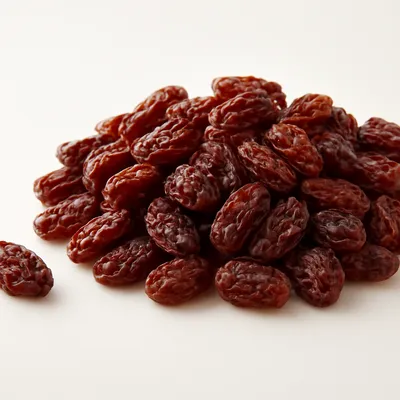
Spoon dips through unsweetened cool cream cloud into deep mahogany-brown sweet-sour bread soup — the temperature and richness contrast is dramatic. The soup is dense but not heavy, with bursts of plump rehydrated raisin and prune as you eat. The rye sourness sits behind the sugar; cinnamon is the warm note. Genuinely unique — no other cuisine has anything quite like it.
Black rye bread's lactic-acid sourdough fermentation provides the sweet-sour balance with the added sugar — that's why other bread types (white, sourdough wheat) don't work as well. Long simmer breaks down the bread's complex carbohydrates into a thickened pudding-like soup. Unsweetened cream is non-negotiable: sweetened cream tips the dessert into one-note, while unsweetened cream provides textural and temperature contrast without redundant sweetness.
Variations
Lingonberry-stirred version (Setomaa) folds 100 g lingonberry preserve into the cooled soup. Tallinn modern version is served with a quenelle of vanilla ice cream instead of whipped cream. Children's version skips the lemon zest and adds extra cinnamon. Diaspora version sometimes uses pumpernickel as a rye substitute — works, but flavor is slightly off.
On the Palate
Where Leivasupp sits in the Estonian flavor cloud
Ingredients
Serves 6

How it's made
8 steps · 20 min active + 40 min waiting
- 110 min
Cube 400 g day-old black rye bread (rukkileib) into 2 cm chunks. (Stale is best; fresh works if dried in 150°C oven 10 min.)
- 23 min
In a heavy pot, combine bread chunks + 1.2 L cold water + 100 g brown sugar + 1 cinnamon stick + 100 g raisins + 80 g dried prunes (chopped) + 60 g dried apricots (chopped) + zest of 1 lemon.
- 330 min
Bring to a boil. Reduce to simmer 25 min, stirring occasionally — bread will progressively dissolve. Mash any large remaining chunks with a wooden spoon.
Watch outSimmer and stir until the bread breaks down on its own, mashing the stubborn chunks — you're after a smooth, dissolved base, not floating lumps.
- 44 min
Remove cinnamon stick. Use an immersion blender to blend the soup until smooth (or transfer in batches to a blender). Add 1 tbsp lemon juice. Taste — adjust sweetness with 1-2 tbsp more sugar if needed.
- 51 min
Optional: thin slightly with additional water if too thick. Final consistency should be like a thin pudding.
- 610 min
Cool 10 min if serving warm; refrigerate 2 hours if serving cold (more traditional).
- 73 min
Whip 200 ml cream to soft peaks (no sugar — the contrast is intentional).
Watch outWhip the cream to soft peaks and leave it unsweetened — the plain cream against the sweet-sour soup is the whole point; sugar here flattens it.
- 82 min
Ladle leivasupp into bowls. Drop a generous spoonful of whipped cream in the center. Optional: scatter with a few raisins and a dust of cinnamon.


