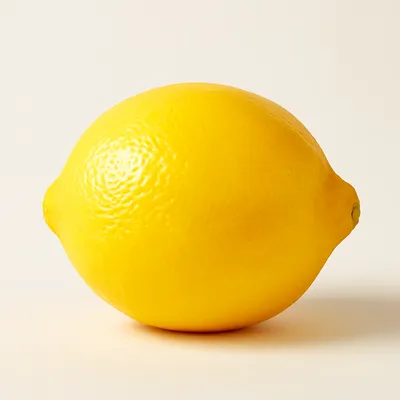
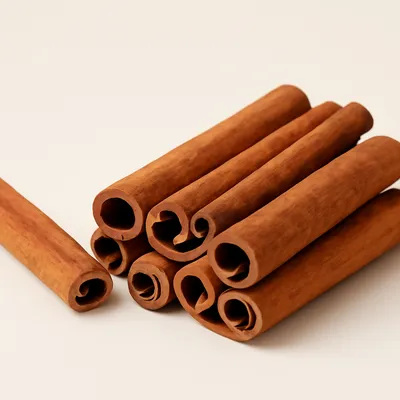
German applesauce: tart apples cooked down with a little water, sugar and often a strip of lemon and a hint of cinnamon until they collapse into a soft, smooth or lightly chunky purée. It can be served warm or cold and sits somewhere between a side dish and a condiment. Above all it is the classic partner to potato pancakes — Reibekuchen and Kartoffelpuffer — where its cool sweet-tartness offsets the hot, crisp, fatty fritters, and it accompanies roast pork, Schnitzel and rice puddings just as readily.



Apfelmus is a plain, nationwide German preparation rather than a regional dish, rooted in the country's long tradition of orchard fruit and of cooking and preserving apples for the cold months. Stewing apples into a soft mash is among the simplest ways to use a tart autumn crop, and the result became a fixture of the German table as both a side and a sweet accompaniment. Its best-known role is alongside fried potato pancakes, a pairing of crisp savoury fritter and cool sweet-tart fruit that is standard across the Rhineland and beyond; it also turns up with roast pork, blood sausage, Schnitzel and milk-rice. The dish has no single Land of origin and is made in homes throughout Germany.
Soft, spoonable and pale gold, smooth or with a little fruit texture, tasting brightly of apple — sweet but with a clean tart edge, scented lightly with lemon and a whisper of cinnamon. Served cool against a hot potato pancake, the contrast of temperature and of sweet fruit against crisp savoury fat is the whole point. It is fresh and uncomplicated, never cloying, the acidity doing the work of cutting richness. Comforting on its own by the spoonful, too.
Choosing tart, aromatic apples is most of the result. Soft-cooking varieties such as Boskoop, Elstar or Cox break down readily into mush, while their high acidity keeps the flavour bright and balances the added sugar so the sauce is not flat. A little water starts the steaming so the fruit collapses without scorching, and a strip of lemon peel and a touch of juice both season and slow the browning. How much it is mashed or passed decides smooth versus chunky. Cooking it just until the apples fall apart, rather than reducing it hard, keeps the colour pale and the taste of fresh fruit intact.
Variations
Smooth or chunky, warm or cold, more or less sweet — every household differs. Common additions are cinnamon, a clove, vanilla or a little lemon; northern versions tend tarter, southern sometimes sweeter and spiced. It can be passed through a sieve for a silky texture or left rustic. Beyond potato pancakes, it accompanies Schnitzel, roast pork, blood sausage and milk-rice (Milchreis), and a thicker, spiced batch keeps well as a preserve.
On the Palate
Where Apfelmus sits in the German flavor cloud
Ingredients
Serves 6How it's made
6 steps · 15 min active + 15 min waiting
- 18 min
Peel, core and roughly chop tart apples.
Watch outReach for tart, soft-cooking apples — high-acid varieties break down readily and keep the flavor bright against the sugar; bland ones cook flat.
- 22 min
Put them in a pot with a splash of water, a strip of lemon peel and a little lemon juice.
- 312 min
Cook covered over medium heat, stirring, until the apples soften and collapse.
Watch outCook just until the apples collapse, not reduced hard — over-reducing dulls the color and loses the fresh-fruit taste.
- 42 min
Sweeten to taste with sugar and add cinnamon if using.
- 53 min
Mash to the desired texture, smooth or chunky, and discard the lemon peel.
- 61 min
Serve warm or chilled, beside potato pancakes or roast meat.
Archive tool suggestions — not reviewed
These legacy suggestions have not been evidence-reviewed and are not presented as required tools.



