
Boiled beetroot, potato, carrot, dill pickle, apple, hard-boiled egg, and pickled herring all diced to exact 5 mm cubes and folded into a sour cream-mustard dressing — the entire bowl shifts to a deep magenta-pink from the beet. The Estonian Christmas Eve cold-buffet centerpiece and the test of any home cook's knife skills.




Rosolje is the Estonian member of the Russian/Polish/Eastern-European 'rosolje/rosol/rosół' family — sharing the beet+herring+potato base with neighbors but distinguished by the Estonian sour cream dressing (rather than mayonnaise). Christmas Eve obligation: every Estonian home must serve rosolje as one of the cold dishes, alongside sült and verivorst. Modern young cooks sometimes use canned beetroot but grandmothers insist on home-boiled.
Fork brings up a precise pink mixture where each dice maintains its identity but everything has taken on the beet's earthy-sweet stain. Pickled herring contributes salt and ocean; apple contributes tart-fresh; dill pickle contributes vinegar-pop; carrot contributes natural sweetness. The sour cream dressing binds gently without dominating. Cold and refreshing despite the heavy ingredient list. The Estonian-Russian-Polish family heritage in one spoonful.
Boiling beets whole-in-skin retains color and earthy-sweet flavor — peeling pre-boil leaches both into the water. The 5-mm dice is structurally critical: any larger and the textures become discordant; any smaller and everything becomes mush. Sour cream rather than mayonnaise is the Estonian distinction — its tang amplifies the pickled-vinegar notes from herring and gherkin, while mayonnaise would smother them.
Variations
Lithuanian version (mišrainė) uses mayonnaise and adds peas. Finnish-Estonian border version skips herring for a vegetarian winter salad. Modern Tallinn restaurant version uses smoked-rather-than-pickled herring. Some Setomaa villages add finely chopped salted cucumber instead of dill pickle.
On the Palate
Where Rosolje sits in the Estonian flavor cloud
Ingredients
Serves 8



How it's made
9 steps · 35 min active + 55 min waiting
- 155 min
Boil 4 medium beetroots (skin on) in salted water 50 min until fork-tender. Drain, cool. Peel by rubbing skin off with a paper towel.
Watch outThe beets are done when a fork slides in easily; undercooked beets stay hard and won't dice cleanly.
- 228 min
Boil 4 medium waxy potatoes (skin on) 25 min until tender. Cool, peel.
- 322 min
Boil 3 medium carrots (whole, peeled) 20 min until tender. Cool.
- 412 min
Hard-boil 3 eggs (10 min from boiling). Cool, peel.
- 530 min
Patiently dice everything into 5 mm cubes: beetroots (gloves on — they stain), potatoes, carrots, eggs, 1 large dill pickle, 1 medium tart apple (Granny Smith — leave skin on for color), 200 g pickled herring (drained, pat dry).
- 63 min
Combine all diced ingredients in a large bowl. Important: add the beets LAST and gently — they will color everything pink, which is the point.
Watch outFold the beets in last and gently, just until everything blushes an even pink without breaking down.
- 74 min
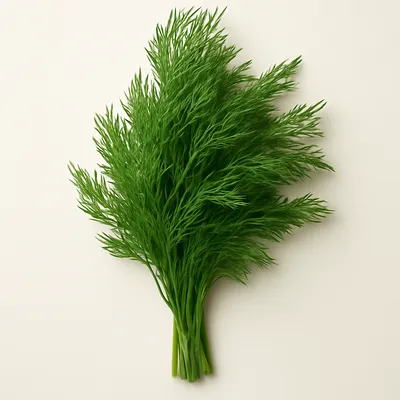
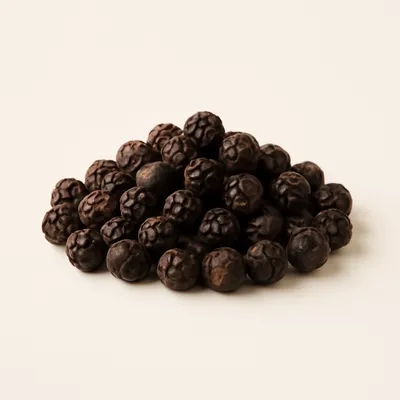
Dressing: whisk 200 g sour cream + 2 tbsp Dijon mustard + 1 tbsp white wine vinegar + 1 tbsp sugar + ½ tsp salt + ¼ tsp pepper + 1 tbsp chopped dill.
- 860 min
Fold dressing into the salad gently. Adjust salt. Refrigerate at least 1 hour for flavors to meld; longer is better (up to 24 hours).
- 95 min
Serve cold, scattered with extra dill and quartered hard-boiled egg slices around the bowl rim.


