

This salad was created in 1918 in Moscow, reportedly as a propaganda dish for the new Soviet regime. The layers spell out a political message: the bottom layer (herring) represents the proletariat, the top (beet red) represents the revolution. Its real origin is less romantic — it evolved from Scandinavian layered herring salads. Regardless, it became the Soviet Union's most iconic holiday dish.
A slice of layered salad: the bright purple beet top, then yellow egg, orange carrot, pale potato, and finally the pink herring at the bottom. Each layer is a different flavor — earthy beet, rich egg, sweet carrot, neutral potato, salty herring. Together they create a surprisingly harmonious whole.
The mayonnaise that binds each layer serves as an emulsion — its oil coats each ingredient, preventing them from drying out during the overnight refrigeration that melds flavors. The beet's color bleeds downward into the mayonnaise, staining the layers above it pink — this is expected, not a defect.
Variations
Some add a layer of grated cheese or apple; the layer order varies; some use oil instead of mayonnaise.
On the Palate
Where Seledka pod Shuboy sits in the Russian flavor cloud
Ingredients
Serves 8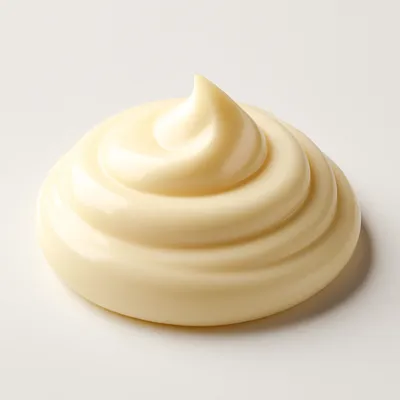
How it's made
6 steps · 1 hour active + 1 hour waiting
- 145 min
Boil potatoes, carrots, beets, and eggs separately; cool; peel.
Watch outBoil each vegetable only until fork-tender and cool fully before grating — warm or mushy veg shred into paste and the layers won't stack clean.
- 215 min
Grate each vegetable separately on the large holes.
- 310 min
Dice salt herring.
- 415 min
Layer in a glass dish: herring, potato, carrot, egg, beet.
- 515 min
Spread mayonnaise between each layer.
Watch outSpread a thin, even seal of mayo edge to edge on each layer — gaps let the layers dry out over the overnight rest.
- 61 min
Refrigerate overnight; slice into squares to serve.
Archive tool suggestions — not reviewed
These legacy suggestions have not been evidence-reviewed and are not presented as required tools.