
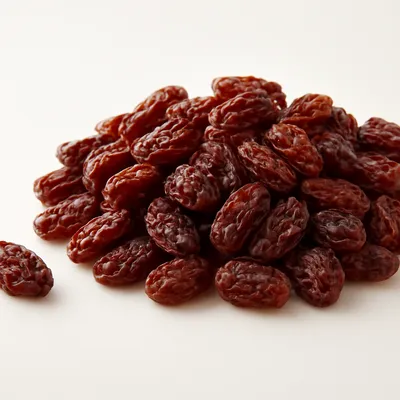
An enriched yeasted dough rolled with cinnamon-sugar-butter (sometimes also raisins, almonds, cardamom), cut, twisted into a wreath shape, baked golden — the Estonian and broader Baltic sweet-bread festive standard. Sliced with coffee in the afternoon; a fixture of Christmas, Easter, and name-day tables.





Kringel/kringle is the broad Northern European tradition (Scandinavian kringle, Estonian kringel, Danish kringle, Latvian kliņģeris) — all share the wreath/pretzel shape and enriched dough but differ in fillings. The Estonian version is closer to the Swedish kanelbulle in spirit but baked as one large wreath rather than individual buns. Coffee-and-kringel is the afternoon ritual; a homemade kringel signals hospitality for any visitor.
Slice reveals beautiful spiral cross-section with butter-cinnamon-raisin filling visible in concentric swirls. Bread is fluffy and slightly cake-like from the butter and eggs; filling is gooey-sweet with the cinnamon hitting first. Cardamom is the background warmth that distinguishes Estonian/Scandinavian baking from Anglo-American versions. With a strong coffee, it's the Estonian afternoon at its most welcoming.
Enriched dough (high butter and egg) is technically tricky — too much fat early prevents gluten formation. Adding butter in pieces over 5 min during kneading lets gluten develop first, then incorporates fat into the developed structure. The twist-shaping creates more layered surface area, which means more exposed cinnamon-sugar caramelizing during the bake — that's what gives kringel its iconic crackly-sweet exterior.
Variations
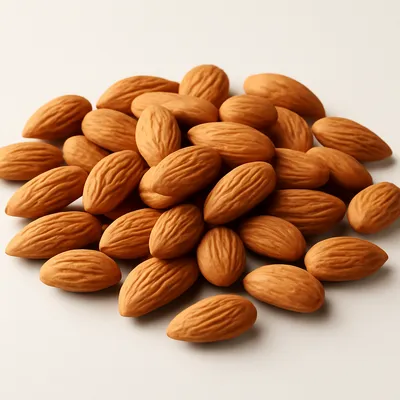
Lithuanian version (raguolis) skips the wreath shape for a long rope. Latvian version often adds saffron to the dough. Modern Tallinn cafe versions use cardamom-cinnamon-pistachio fillings. Holiday version stuffs almond paste in addition to the cinnamon-sugar.
On the Palate
Where Kringel sits in the Estonian flavor cloud
Ingredients
Serves 12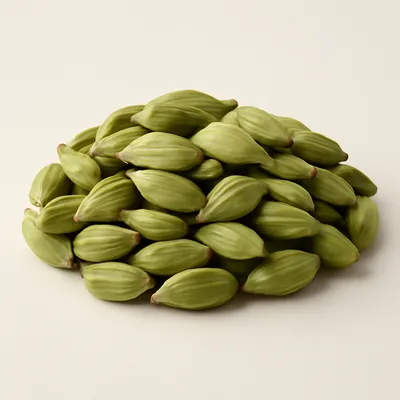




How it's made
11 steps · 1 hour active + 3 hours waiting
- 112 min
Activate yeast: combine 250 ml warm milk (35°C) + 14 g instant yeast + 1 tbsp sugar. Rest 10 min until bubbly.
- 23 min
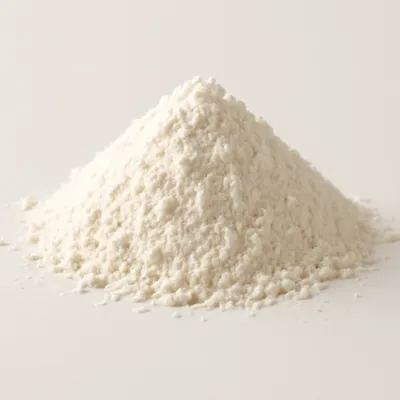
In stand mixer: combine 500 g bread flour + 80 g sugar + 1 tsp salt + 1 tsp ground cardamom + zest of 1 lemon.
- 36 min
Add the yeast-milk + 2 eggs + 2 tsp vanilla. Mix on low 5 min.
- 418 min
Add 100 g soft butter in pieces over 5 min while kneading on medium. Continue kneading 12 min until silky-smooth and elastic.
Watch outKeep kneading after all the butter is in until the dough turns silky, glossy, and stretches thin without tearing — that's full gluten and even fat.
- 575 min
Cover, first rise in warm spot 60-90 min until doubled.
- 68 min
Filling: cream 80 g soft butter with 100 g brown sugar and 1.5 tbsp cinnamon. Stir in 80 g chopped almonds and 60 g raisins.
- 710 min
Roll dough out on a lightly floured surface into a 30×50 cm rectangle. Spread filling evenly to within 2 cm of edges.
- 84 min
Roll up tightly from long side into a long log. Place seam-down on a large parchment-lined sheet.
- 912 min
Using sharp knife, slice the log lengthwise down the middle (don't cut all the way through one end). Open the cut to expose layers, then twist the two halves over each other into a rope. Connect ends into a wreath.
Watch outCut lengthwise but leave one end joined, then twist the two halves cut-side up so the layers show — that exposed spiral is what caramelizes crisp.
- 1047 min
Cover, second rise 45 min. Brush with beaten egg yolk + 1 tbsp cream. Sprinkle with pearl sugar and slivered almonds.
Watch outThe wreath is proofed when it looks visibly puffed and springs back slowly to a light poke; underproofed bakes dense.
- 1133 min
Bake at 180°C for 30-35 min until deeply golden. Cool 15 min before slicing.
Watch outBake to a deep gold, not pale — the enriched dough needs the color for the sugar crust to crackle. Cool 15 minutes before slicing or it tears.


