
The Moravian wine-country goulash — beef chuck braised in southern Moravian red wine (Frankovka or Svatovavřinecké) with caramelized onion, prunes, juniper berries, paprika, and marjoram. The prune is the defining move; it dissolves into the sauce and adds a fruit-sweet depth that distinguishes the Moravian version from the beery Bohemian one. Served over bread dumplings; eaten with the same wine that went into the pot.
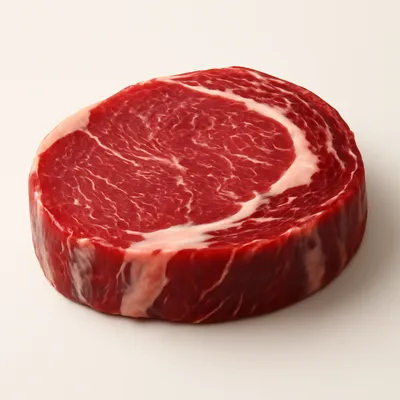

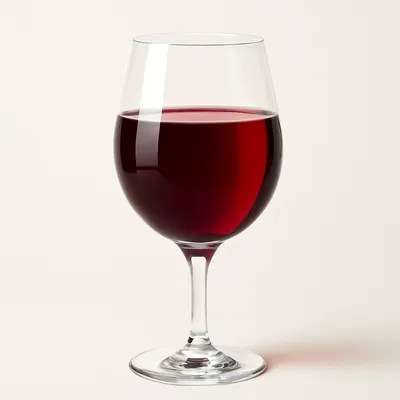



Southern Moravia is Czech wine country — vineyards date to the 9th century, and the dominant grapes (Frankovka/Blaufränkisch, Svatovavřinecké/St. Laurent) give wines structured enough to braise with. The dish developed in Moravian farmhouse kitchens during the wine-pressing season (late autumn) when there was both ample beef from late-autumn slaughters and ample wine from the new vintage. Prunes are added because dried fruit was the standard winter sweetener before sugar was cheap; juniper because it was foraged from local pine forests for game flavor. The result is a goulash unlike any in the rest of Central Europe — wine-dark, fruit-sweet, marjoram-warm.
Spoon into the sauce — it's nearly black-purple, deep and glossy. The beef has gone fork-soft; chuck simmered 3 hours in red wine surrenders completely. The first taste is the wine, then the prune sweetness, then a faint resinous lift from the juniper. Marjoram is the herb that tells you it's Czech and not French boeuf bourguignon. The bread dumpling beneath has absorbed the sauce halfway through, soft and saturated on the wine-soaked side, still bready on top. A glass of the same wine alongside ties everything back together.
Prunes are the secret ingredient that distinguishes vinný guláš from any other braised beef dish. As they slow-cook, their cell walls break down and release pectin, which thickens the sauce naturally without flour or roux. The fruit sugars also balance the tannins in the red wine — without prunes, wine-braised dishes can taste astringent. Juniper berries contain pinene and myrcene, terpenes that suggest pine forest and game meat; their flavor reads as 'wild' even though the dish is domesticated beef. The 2.5-3 hour braise converts collagen to gelatin (above 71°C, below 95°C) — that's why the beef goes fork-tender without drying out.
Variations
Made leaner without prunes and built on just onion and red wine, the goulash turns drier and more savory, with the wine flavor coming through more directly. Pork works as readily as beef, depending on what's on hand. Note that Valašský (Wallachian) guláš, another goulash from eastern Moravia, is a different dish altogether — built on sauerkraut and mushrooms and traditionally cooked outdoors over a fire, often with mutton, rather than this wine-dark, fruit-sweet braise. Cooks who want a wilder edge sometimes braise venison or other game instead of beef, which sits naturally with the wine and juniper.
On the Palate
Where Vinný Guláš sits in the Czech flavor cloud
The prunes are the whole dish — cooked low and slow they melt into the sauce, releasing pectin that thickens it without flour and sugars that round off the wine's tannins, so never leave them out or fish them back whole.
Ingredients
Serves 4







How it's made
9 steps · 50 min active + 3 hours 10 min waiting
- 112 min
Cube 1 kg beef chuck into 3 cm pieces, pat dry. Slice 800 g yellow onions into half-moons.
- 227 min
In a heavy Dutch oven heat 3 tbsp lard over medium-low. Add the onions with a pinch of salt; cook 25 minutes until deeply caramel-brown, stirring occasionally.
Watch outCook the onions slowly for the full 25 minutes to a deep caramel-brown; pale onions leave the sauce thin and flat.
- 312 min
Push the onions to one side. Increase to medium-high. Sear the beef in 2 batches on two sides only, about 6 minutes total per batch.
- 42 min
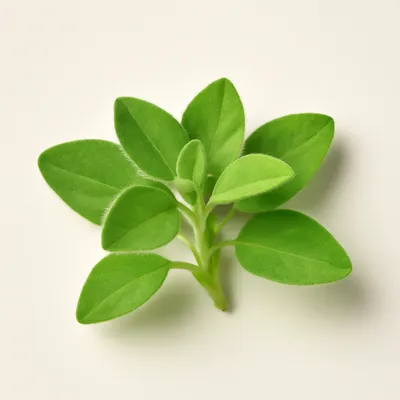
Pull the pot off heat. Add 4 minced garlic cloves, 1 tbsp Hungarian sweet paprika, 1 tsp caraway, 1 tsp dried marjoram, 8 lightly-crushed juniper berries, 1 tsp black pepper. Stir 30 seconds in residual heat to bloom — never add paprika over flame, it scorches.
- 57 min
Return to medium heat. Add 2 tbsp tomato paste, stir 2 minutes until brick-red. Pour in 500 ml southern Moravian red wine (Frankovka, Svatovavřinecké, or any dry medium-body red). Let it bubble vigorously 2-3 minutes to cook off the raw alcohol.
Watch outStir the tomato paste until it darkens to brick-red, about 2 minutes — that cooked-out color means the raw edge is gone.
- 64 min
Add 300 ml beef stock, 2 bay leaves, and 150 g pitted prunes (whole). Stir, bring to a simmer.
- 7175 min
Cover, reduce heat to low. Cook 2.5 hours minimum, 3 hours preferable. Stir once per hour. The prunes will dissolve into the sauce — that's the point.
Watch outBy the end the prunes should have dissolved and the sauce coats the spoon; if it's still thin, uncover for the last 15 minutes.
- 81 min
Uncover for the last 15 minutes if the sauce is still thin. Discard bay leaves. Taste; the wine acidity should be soft and round, not sharp. If sharp, add 1 tsp sugar.
Watch outTaste for sharpness — the wine acidity should read soft and round, and a teaspoon of sugar fixes it if it still bites.
- 92 min
Serve over warm sliced bread dumplings (knedlíky), with the same wine in the glass that went into the pot.


