
A whole beef topside larded with smoked bacon and garlic, marinated 24 hours in red wine vinegar, then braised six hours in a sauce of red wine, dried plums (prunes), tomato, parsley root, and nutmeg until the meat slices into bronze ribbons. Served over Dalmatian gnocchi or homemade pasta — the centerpiece dish of Dalmatian feast cooking.
Pašticada comes from Dalmatia, the eastern Adriatic coast long ruled by Venice, which left an Italian imprint on its cooking — the dish is a cousin of the Veronese braise pastissada de caval. The oldest known recipe is documented in fifteenth-century Dubrovnik (Ragusa), and by the Renaissance pašticada had become a centerpiece of well-off Dalmatian households entertaining guests: meat, wine, dried fruit and lard all at once were themselves a display of a family's means. The day-long vinegar marinade descends from medieval meat-preservation; the prunes give the sweet-sour balance characteristic of older Mediterranean cooking. Made for weddings, baptisms and the pre-Lenten carnival, it is a dish every cook insists hers is the only proper version of — from Split to Dubrovnik there are close to twenty household recipes. Always served with homemade gnocchi (njoki) or fuži pasta.
Knife passes through the sliced beef as if it were chicken — six hours of braise has converted every fiber. The slice on the fork is dark mahogany, juicy, with the smoky bacon and garlic visible inside as ribbons. The sauce is thick and mahogany-brown, sweet-sour-savory all at once from the prune-vinegar-tomato-wine combination, with a haunting cinnamon-and-nutmeg backbone. Over gnocchi, every potato pillow soaks sauce.
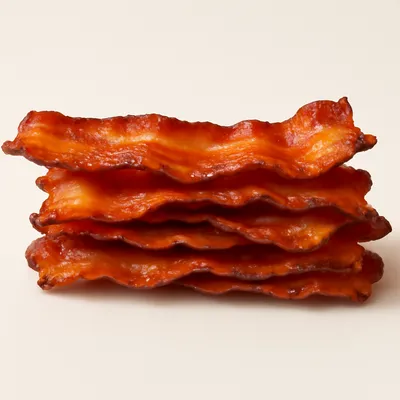
Larding (inserting fat strips into the meat) is medieval-Mediterranean technique that bastes the muscle from the inside as the bacon renders during braising — prevents the lean topside from drying out over 6 hours. The 24-hour vinegar marinade penetrates partial-way into the muscle, tenderizing via acid hydrolysis. Prunes break down into a natural pectin-thickener while their sugars caramelize into the sauce body.
Variations
Around Dubrovnik figs are added alongside the prunes for more layered sweetness. The Hvar style finishes with a splash of prošek dessert wine. A modern pre-sliced shortcut skips the larding altogether (frowned upon by traditionalists). Inland mainland Dalmatia has a version using goat instead of beef.
On the Palate
Where Pašticada sits in the Croatian flavor cloud
Lard the lean beef with bacon and give it the full 24-hour vinegar marinade — the interior fat bastes the meat from within over the long braise so a dry topside stays tender across six hours.
Ingredients
Serves 6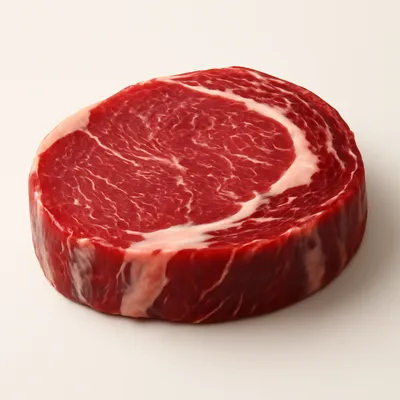













How it's made
9 steps · 1 hour 10 min active + 23 hours 50 min waiting
- 120 min
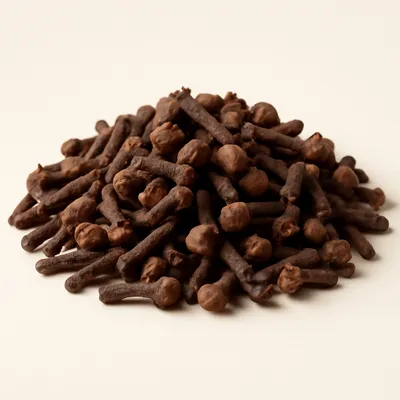
Lard the beef: cut 1.5 kg beef topside (or rump) into 3 cm-deep slits with a small knife. Insert 100 g bacon strips and 10 garlic slivers into each slit. Tuck 6 cloves and 2 sprigs rosemary leaves into the slits too.
Watch outPush the bacon and garlic deep into each slit, not just poked at the surface — the fat has to sit inside the muscle to baste it.
- 21440 min
Marinade: combine 200 ml red wine vinegar + 200 ml water + 1 sliced onion + 2 bay leaves + 1 tsp peppercorns. Submerge beef, refrigerate 24 hours, turning twice.
- 34 min
Day of cooking: lift beef, pat dry. Strain and reserve marinade.
- 417 min
Brown beef in 4 tbsp olive oil + 2 tbsp butter in a heavy Dutch oven over medium-high — about 15 min, turning all sides to deep brown.
Watch outPat the beef bone-dry before searing and take it to a deep, even brown on every side — that crust is the sauce's flavor base.
- 510 min
Remove beef. Sauté 2 chopped onions, 1 chopped carrot, 1 chopped parsley root (or celery root) 8 min until golden.
- 68 min
Stir in 2 tbsp tomato paste; cook 3 min until rust-colored. Pour in 500 ml dry red wine; reduce 5 min. Add the strained marinade + 300 ml beef stock + 200 g prunes (pitted) + 1 tsp grated nutmeg + 1 tsp salt + ½ tsp pepper + 2 cinnamon sticks.
- 7320 min
Return beef. Cover, transfer to 150°C oven (or simmer on stovetop) 5-6 hours, turning beef every 90 min, until beef is fork-tender and the sauce has reduced to gravy thickness.
Watch outIt's done when a fork slides in with no resistance and the sauce has reduced to a glossy gravy that coats the back of a spoon.
- 88 min
Lift beef, rest covered. Strain sauce, pushing solids through a sieve back into pot. Simmer to thicken further 5 min. Adjust salt.
- 96 min
Slice beef thinly against the grain. Plate over fresh gnocchi or hot pasta. Ladle sauce over generously. Serve.


