
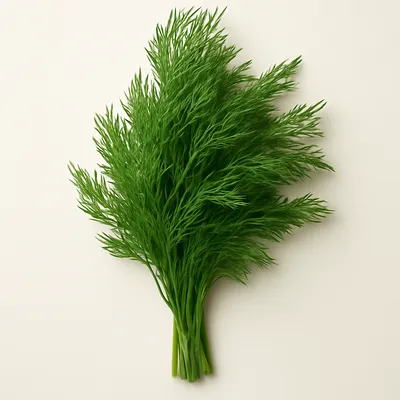
A creamy Pacific Northwest chowder of flaked salmon, diced potato, and sweet corn in a milk-and-cream broth, finished with fresh dill. It is lighter than clam chowder, the salmon poached gently at the end so it stays moist. Onion and often bacon build the base; some cooks add a little smoked salmon for depth. It is a home and restaurant dish of Oregon and Washington rather than a single named recipe.




Salmon chowder is a regional adaptation of New England cream fish chowder, with abundant Pacific salmon standing in for clams. It has no documented inventor or date. The economic backdrop is the Columbia River salmon canneries, which began in 1866 at Eagle Cliff, Washington, under the Hume brothers and Andrew Hapgood; by 1883 some thirty-nine canneries lined the lower river. Canned salmon was a cheap household staple into the 1920s, which made it a natural chowder base, though no period source names the dish itself as a thrift recipe. Pacific salmon had sustained the region's tribes, the Coast Salish and Columbia River peoples, for thousands of years before that.
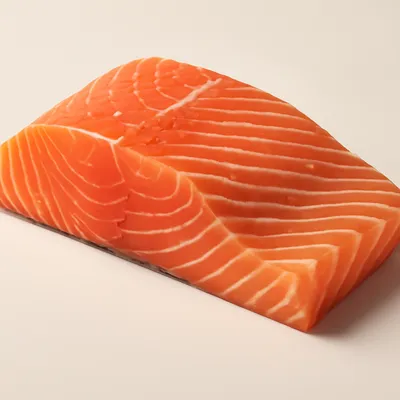
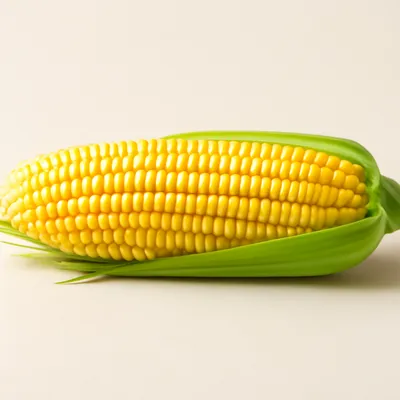
Creamy but not heavy, the broth carries soft potato, sweet corn, and tender flakes of pink-to-orange salmon. Dill brightens it; bacon, when used, adds smoke and salt. The salmon should fall apart in moist flakes rather than firm cubes, a sign it was poached and not boiled. The flavor sits on a salmon, cream, and dill axis, sweeter and gentler than the briny clam chowder it descends from.
Body comes from the potatoes: as they simmer, their cells break down and release starch that thickens the broth without flour. Milk and cream go in late and are held below a boil, because boiling curdles dairy as its proteins denature and separate. The salmon is added last and poached gently in the hot chowder, cooking through in minutes; kept near 50 to 54 degrees Celsius it stays moist, while harder heat drives liquid albumin out of the muscle and leaves it dry and chalky. Boiling after the fish goes in would overcook it and break the cream at once.
Variations
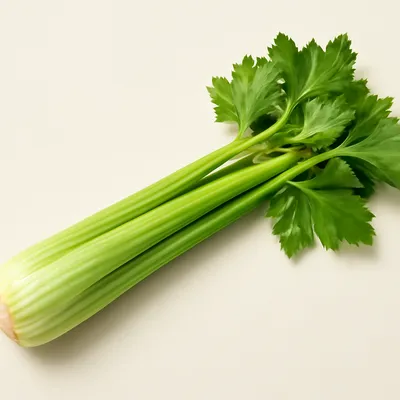
Smoked-salmon chowder, a Seattle and Pike Place Market staple, trades fresh fish for smoky depth. Other versions lean on corn as a salmon corn chowder, render bacon for the base, or use canned salmon as a pantry shortcut. Leek, celery, and fennel are common aromatics alongside the dill. Tomato versions in the Manhattan style are rare for salmon. It is a sibling to Alaskan halibut chowder, which uses lean white fish rather than Oregon and Washington salmon.
On the Palate
Where Salmon Chowder sits in the American flavor cloud
Ingredients
Serves 5
How it's made
7 steps · 15 min
- 16 min
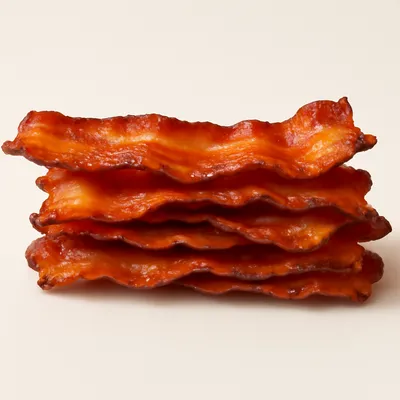
Render diced bacon in the pot until crisp, then remove it, leaving a little fat behind.
- 25 min
Melt butter and saute the onion and celery until soft and translucent.
- 314 min
Add the diced potatoes and stock, then simmer until the potatoes are nearly tender and starting to thicken the broth.
Watch outSimmer the potatoes only until a knife just slips in and the edges start to fuzz and cloud the broth; that clouding is the starch thickening it.
- 43 min
Stir in the corn and simmer briefly to heat through.
- 54 min
Lower the heat and stir in the milk and cream, warming to a gentle simmer without boiling.
Watch outWarm the milk and cream just until the surface shivers and steams; if bubbles break the surface it is too hot.
- 65 min
Add the salmon chunks and poach gently off the boil until just opaque and flaky.
Watch outThe salmon is done the instant it turns from translucent to opaque and separates into flakes under a fork; it keeps cooking in the hot broth.
- 72 min
Off the heat, stir in the dill and season with salt and pepper, topping with the reserved bacon.
Archive tool suggestions — not reviewed
These legacy suggestions have not been evidence-reviewed and are not presented as required tools.



